An AI presenter, a voice that sets the clock, and a production line that checks its own work.
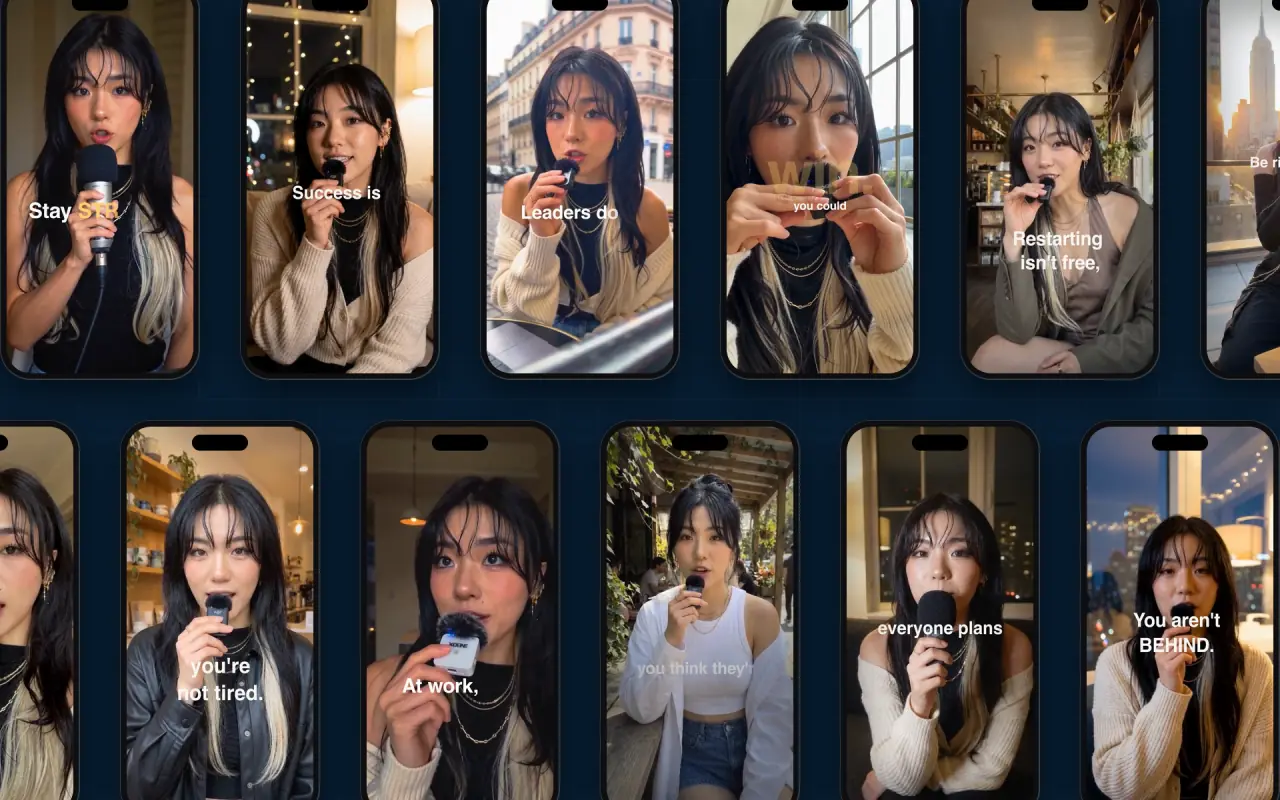
Project facts
- Role
- Product owner, AI director
- Timeline
- May to Oct 2026
- Built with
- Claude Code
I designed a production line for 30-second explainer Reels presented by an AI host, Mira, and directed Claude agents to build it. In October I threw away its look and rebuilt it in five days: one command now turns a script into a finished, mastered Reel, Mira's approved takes are reused instead of regenerated, and every idea gets a drawn stage of its own. I am not a developer. My job is to decide what good looks like, and to say no.
One Idea in, One Finished Reel Out
Decyde is a decision-training product: courses teach what to think, Decyde trains how to decide. To market it I wanted a steady stream of short explainers with a consistent face, without filming anyone. So I designed an AI UGC factory and had Claude agents build it.
The Problem
One AI clip is easy. A series is hard. The presenter's face drifts from clip to clip, the mouth misses the words, graphics look random, and every Reel gets rebuilt by hand in an editor.
Working through AI agents adds a second problem: many short sessions with no memory have to behave like one careful engineer, and spend money only when I say so.
What I Built
A pipeline where one idea becomes a 30-second Reel: the point, a script in plain words, the voice, word-level timing, Mira's mouth synced onto an approved take, a drawn stage for the idea, sound, and since October one command that renders and masters the finished file.
Around it, the part I am proudest of: a written law of 494 numbered amendments, a gate whose checkers must prove they can fail, and one rule above all of them. Nothing is done until a human has watched it.
Under the Hood (October 29)
The Reels, Newest First
The nine Reels approved after the rebuild, October 25 to 28. Each asks one everyday question and draws a stage of its own for the answer; in five of them you pick before Mira tells you. Below them, the Reels of May to September. Every video waits for your tap; nothing loads before it.
 Oct 25 · The rail
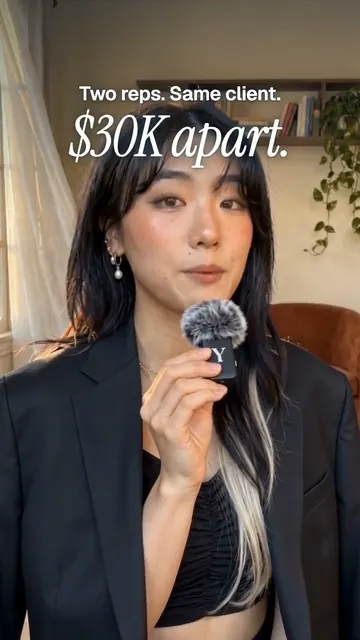
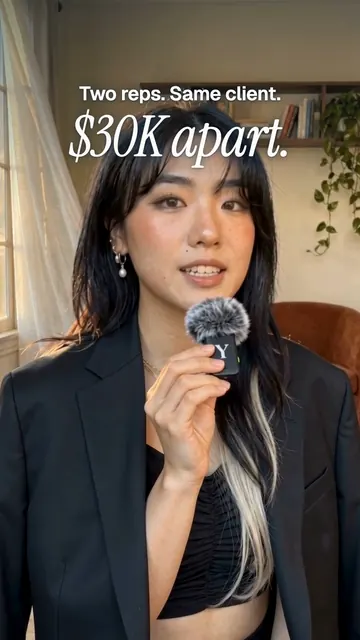
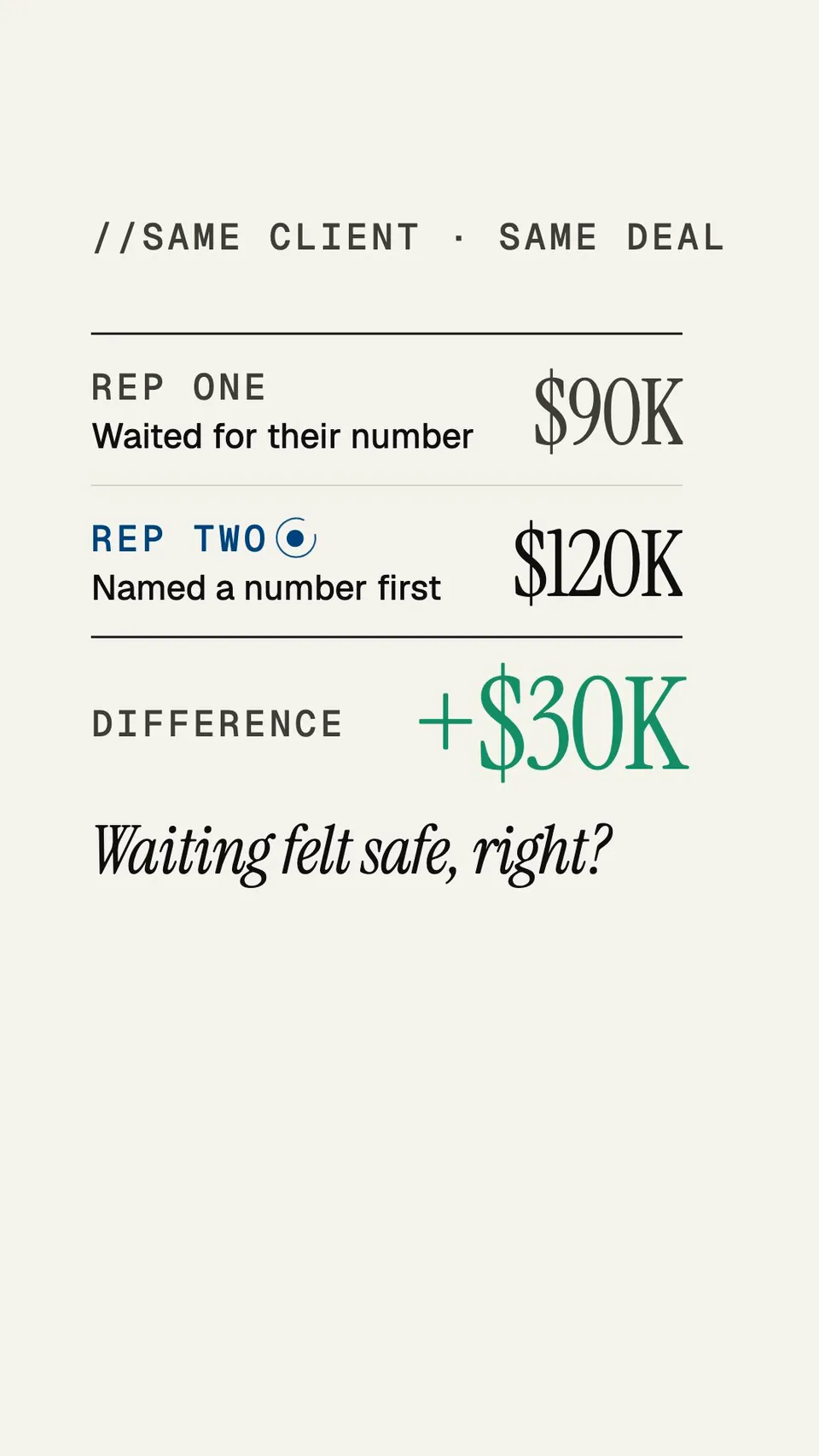
Two Reps. Same Client. $30K Apart.
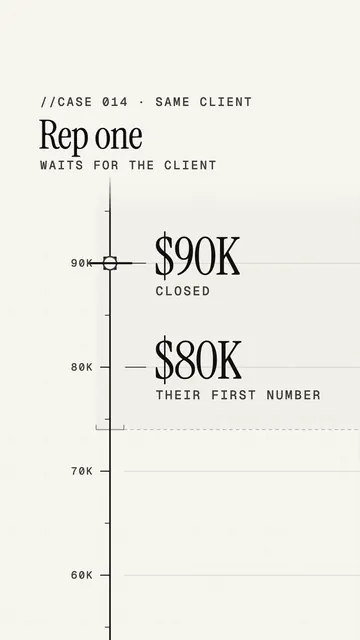
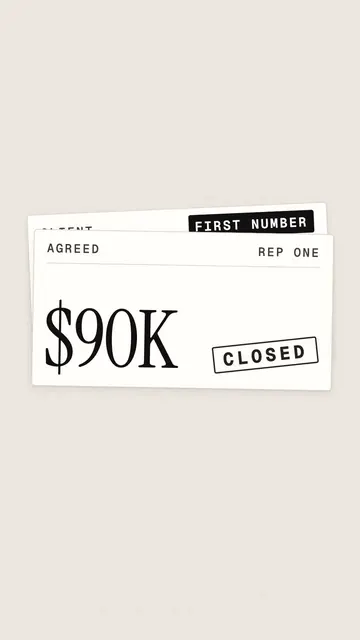
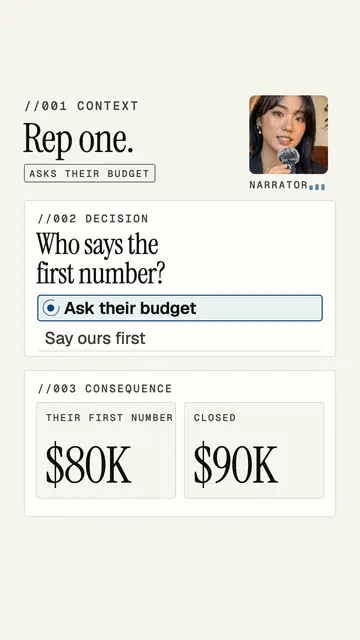
The first Reel made end to end by our own renderer, ten hours after the reset: one price rail, Mira on an approved take, only her mouth bought (38.4 credits).
 Oct 26 · The day
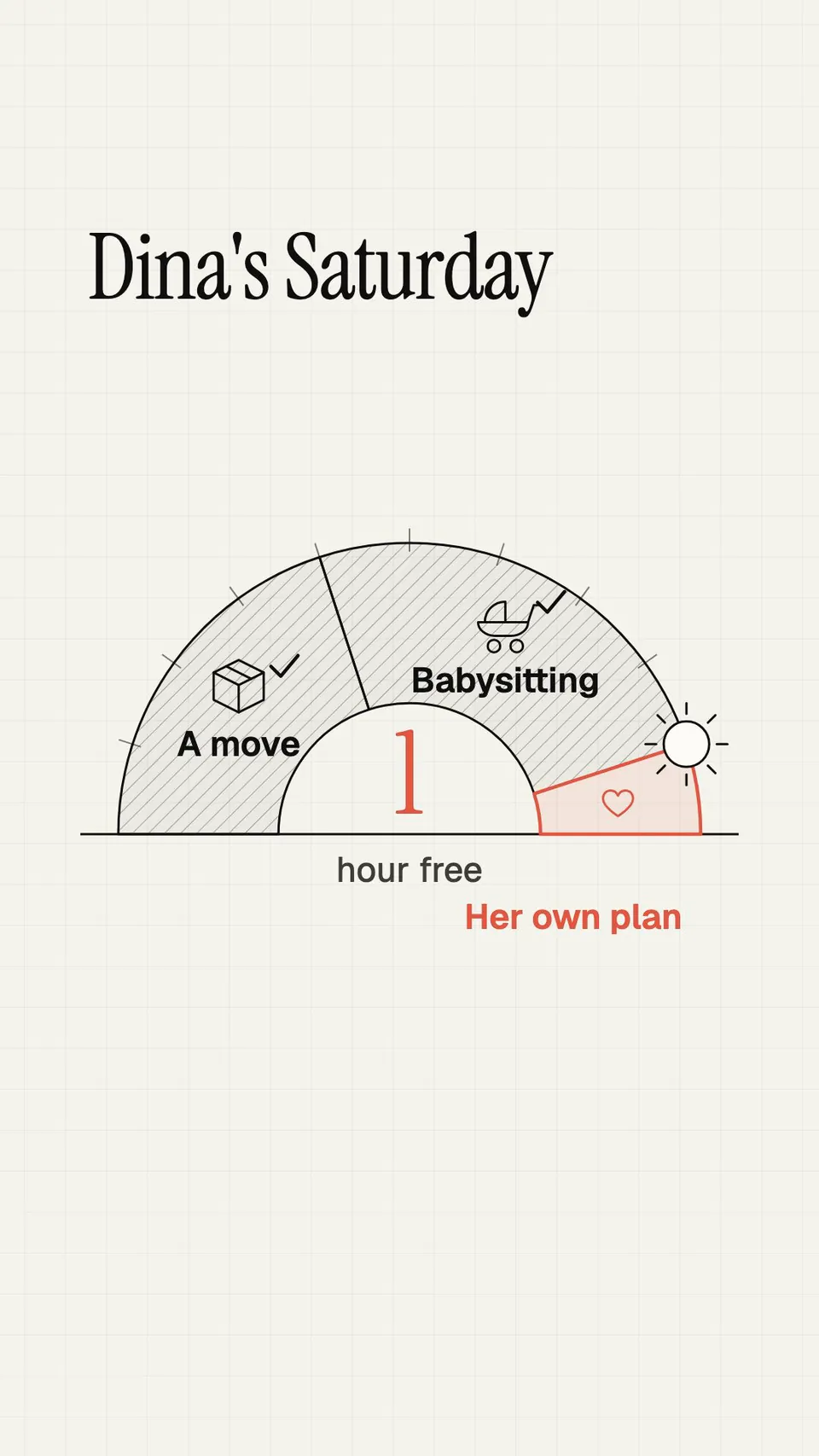
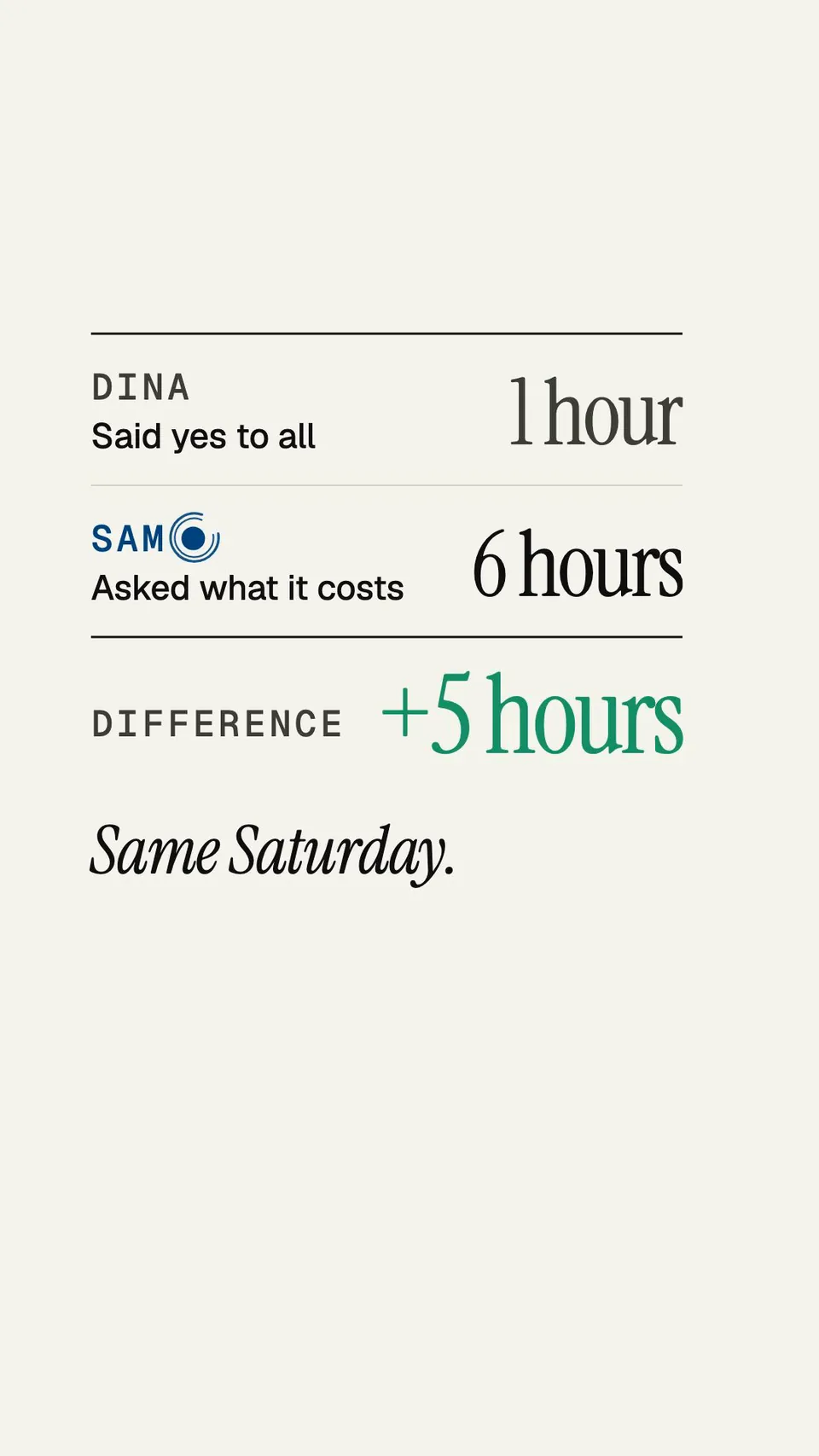
Do You Say Yes Right Away?
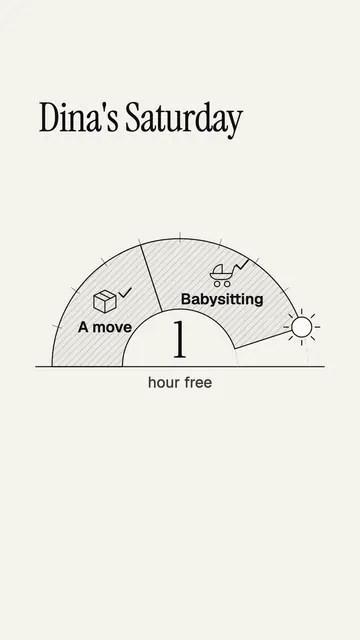
A Saturday as a ring that every yes eats. Three rounds of drawing on my notes, the first new Mira, and the closing that builds the Decyde logo.
 Oct 26 · The night clock
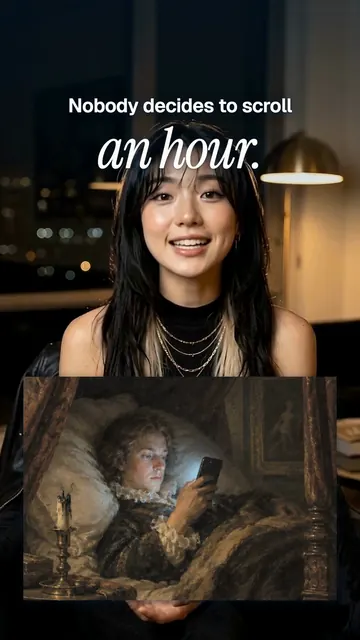
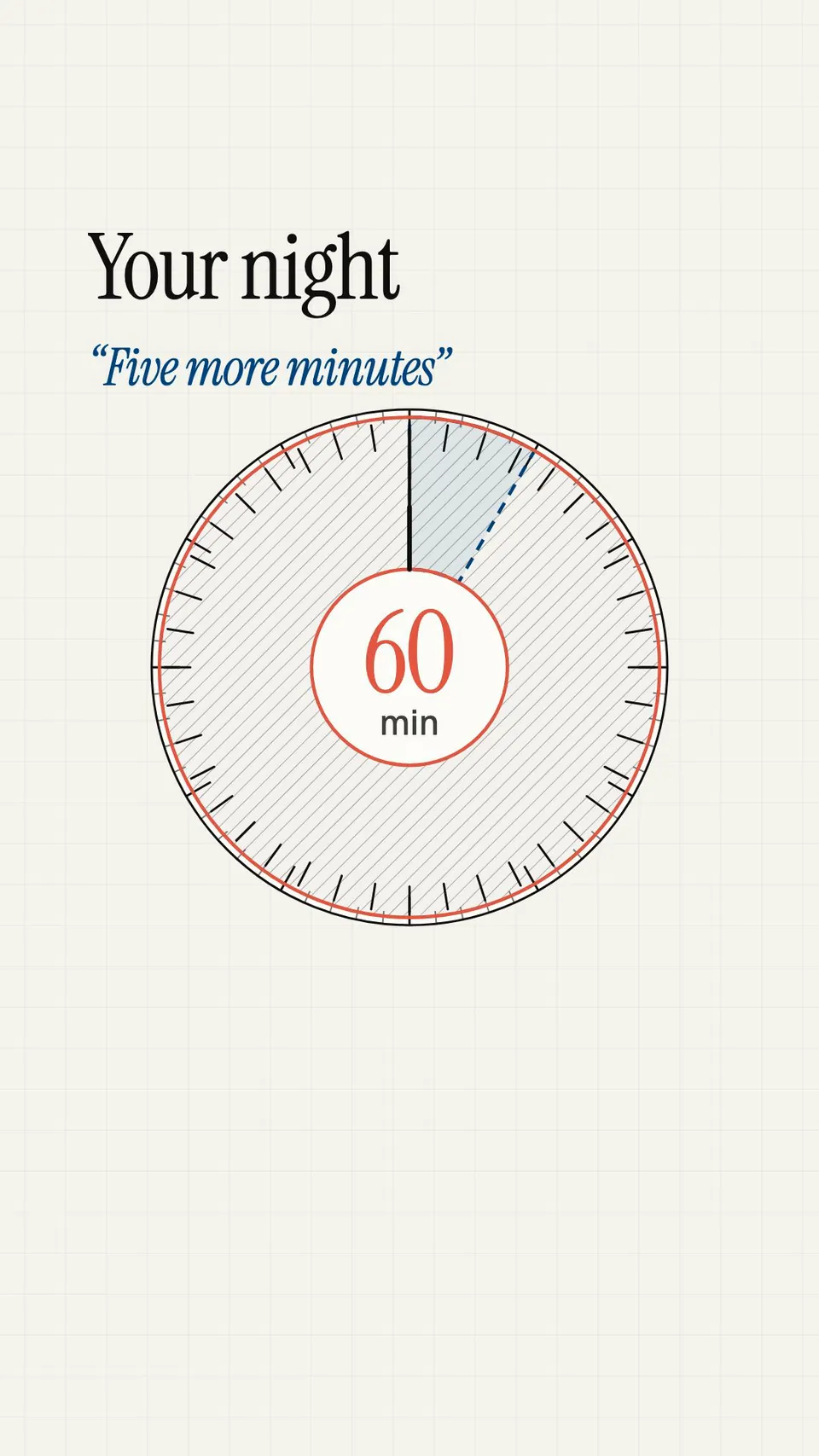
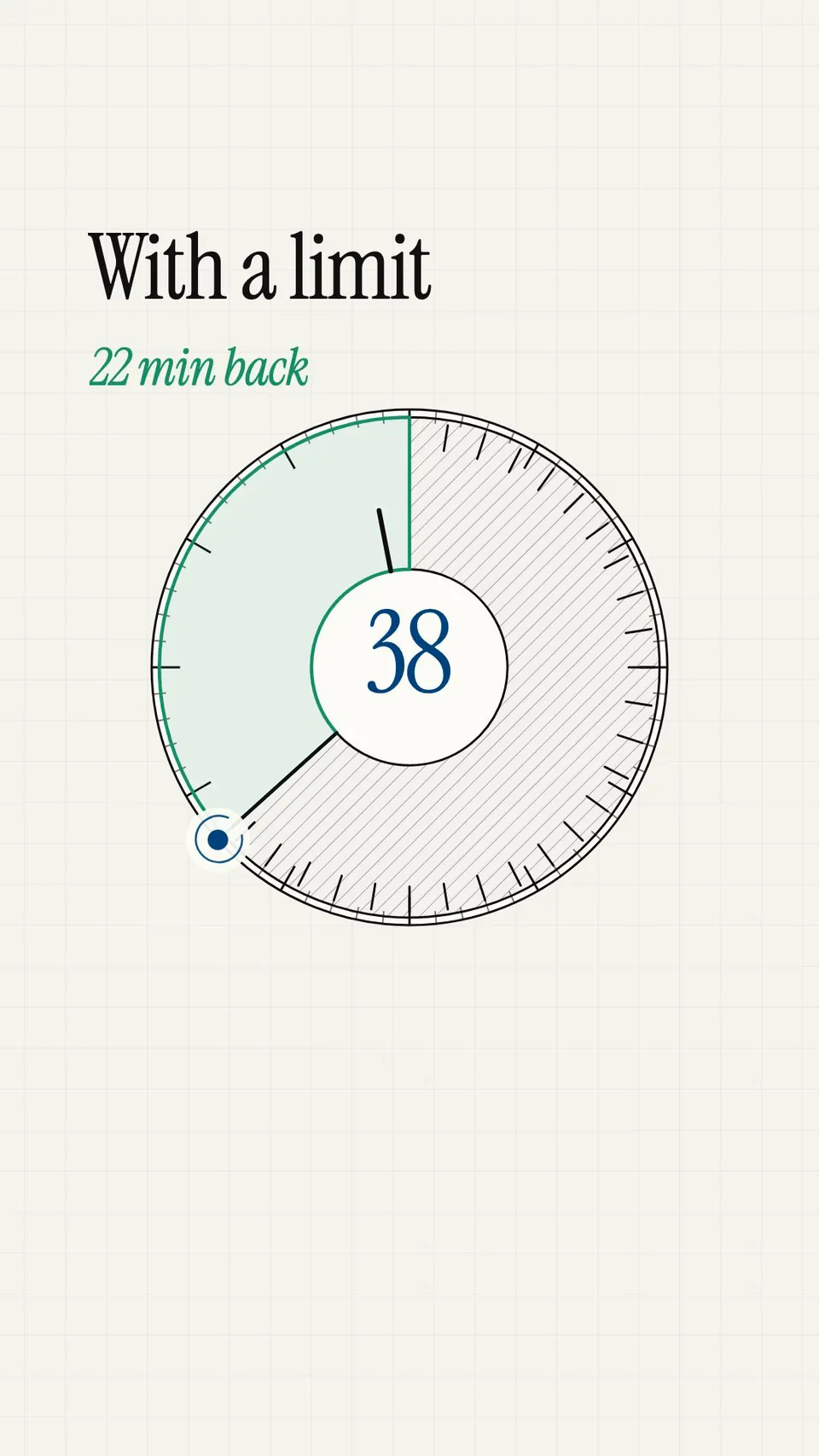
Nobody Decides to Scroll an Hour.
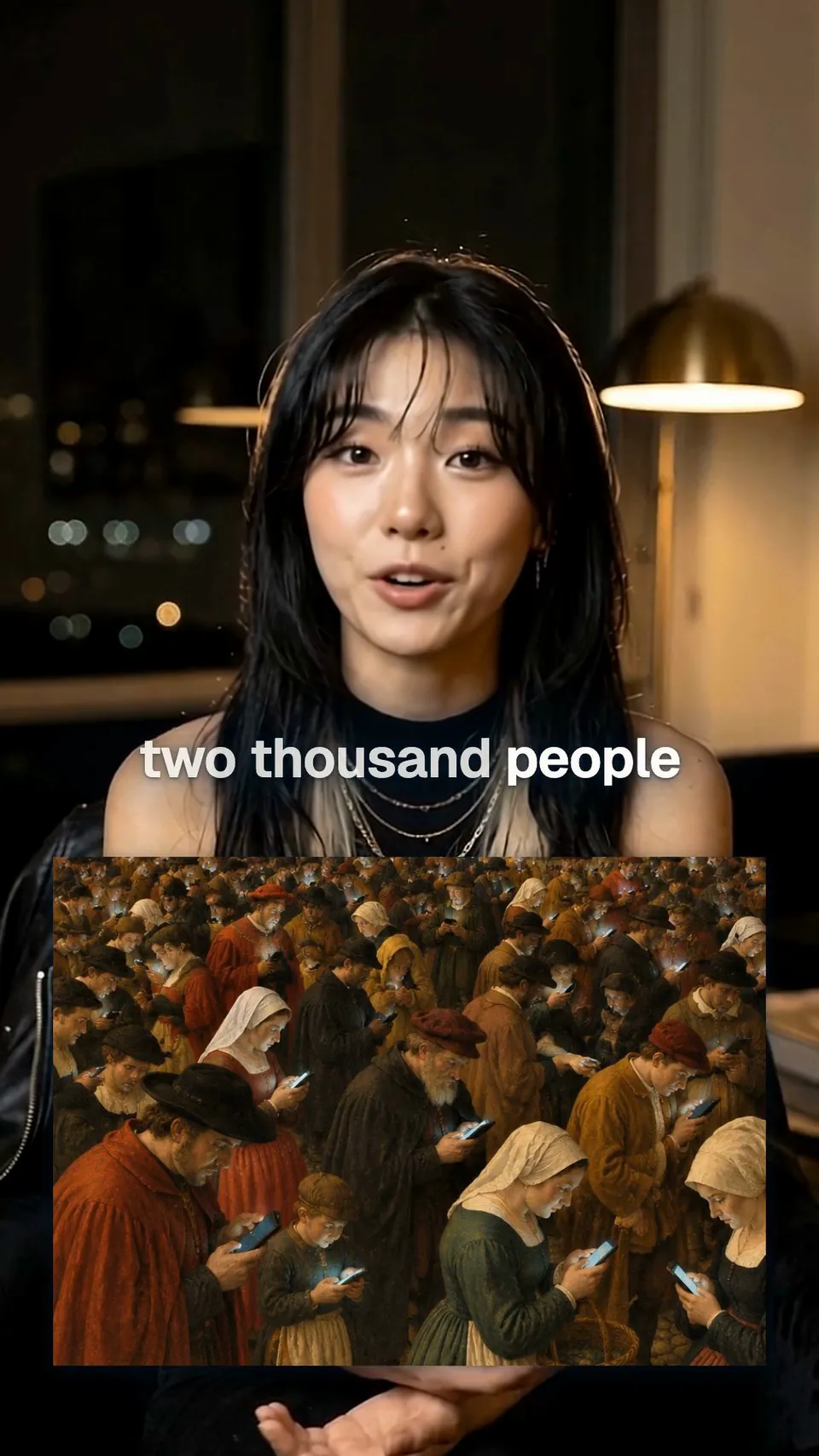
The first Reel on the hook rules: the stake on screen in the first second. A study of about 2,000 people drawn as a clock that a limit stops at 38 minutes.
 Oct 26 · The maze
Great Advice, Just Not to Yourself.
Walls that rise round you, then flatten from outside. The first Reel in Sapphire, the voice I picked by ear for every Reel after it.
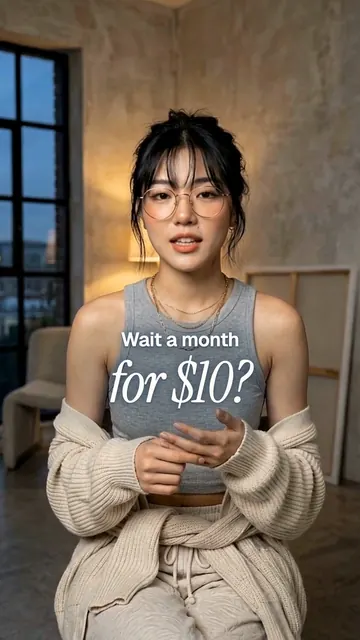 Oct 27 · Play along
Wait a Month for $10?
The first play-along Reel: you pick $100 today or $110 next month on a timer, then the same deal a year away. The road's perspective does the explaining.
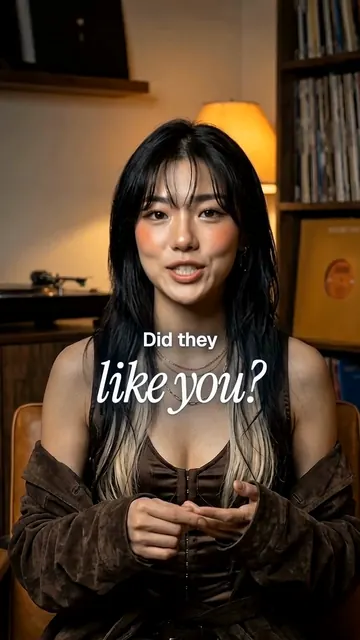 Oct 27 · Play along
Did They Like You?
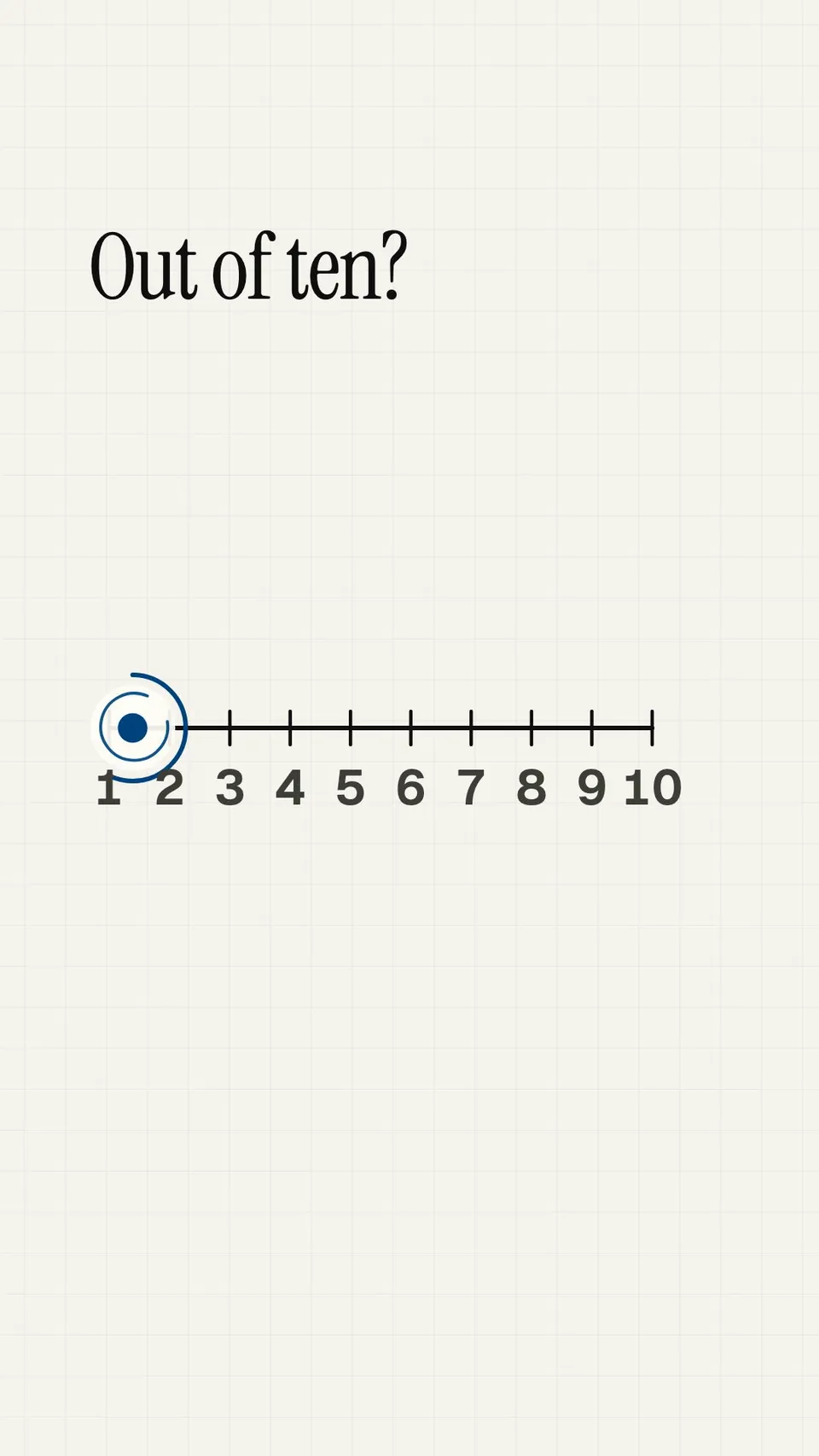
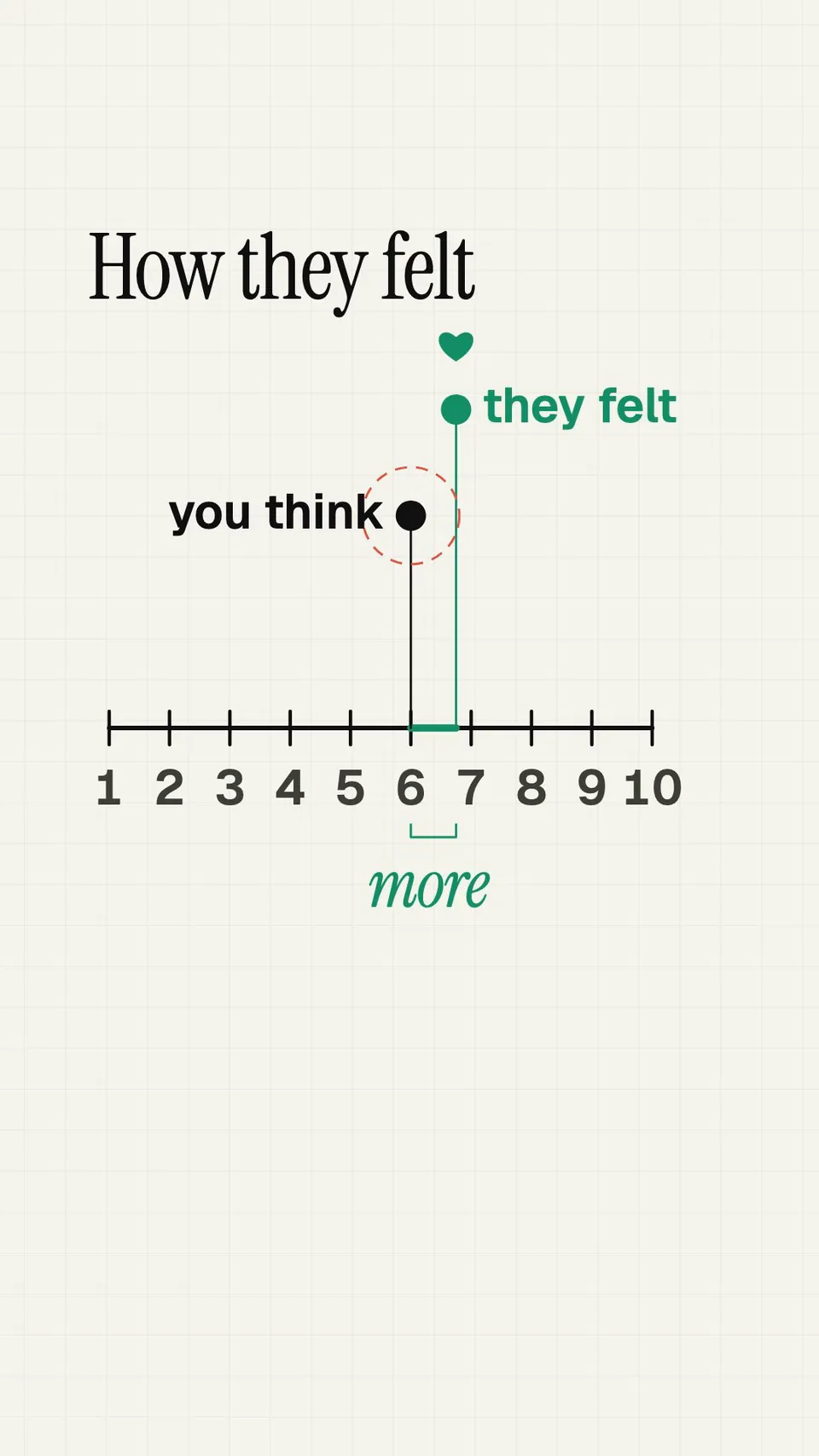
Rate out of ten how much they liked you. The liking gap is drawn at its true size, and a new Mira was made for it in one pass, 54 credits.
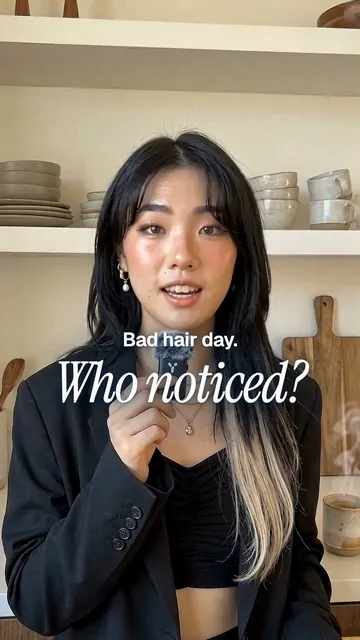 Oct 27 · Play along
Bad Hair Day. Who Noticed?
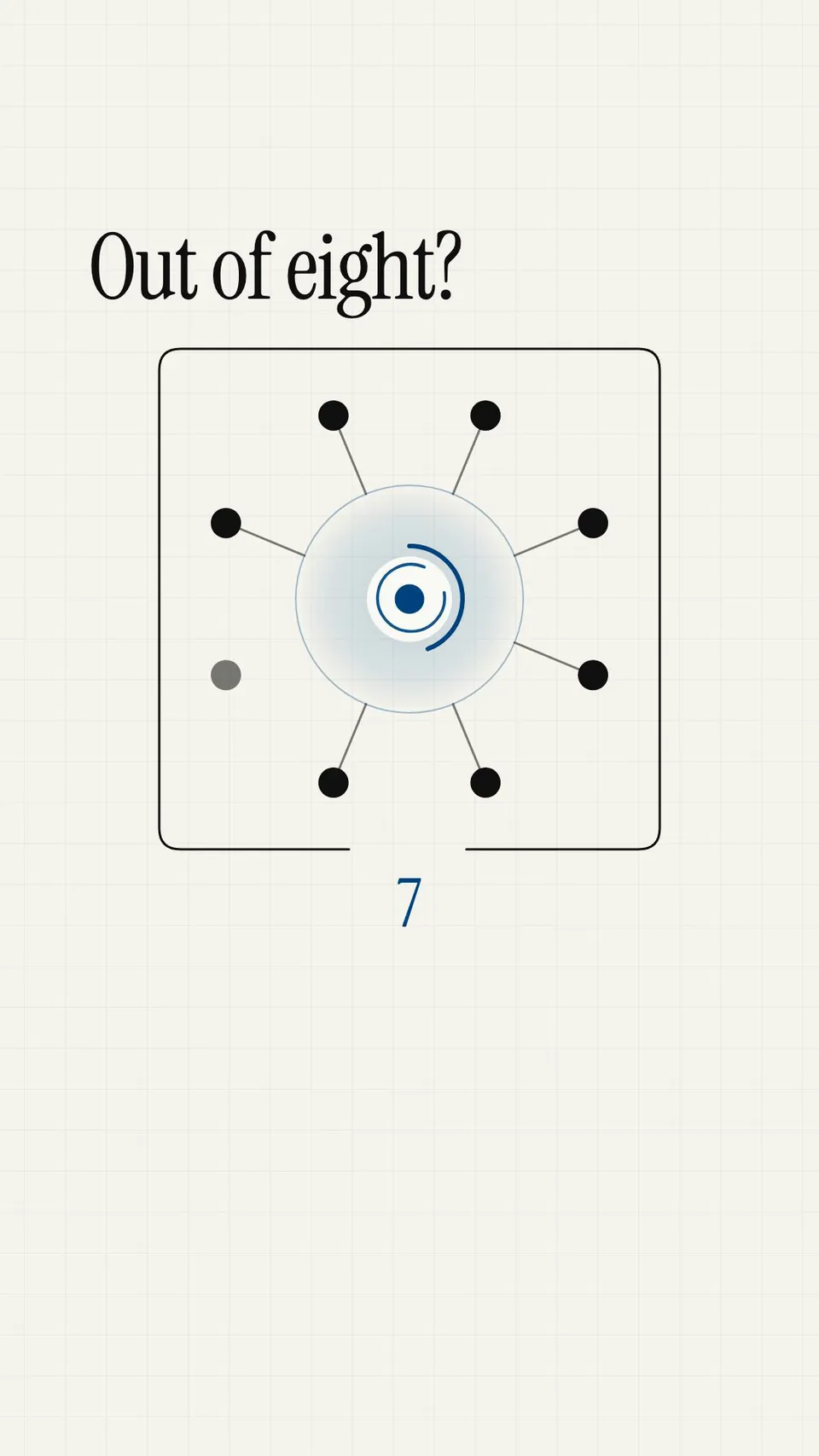
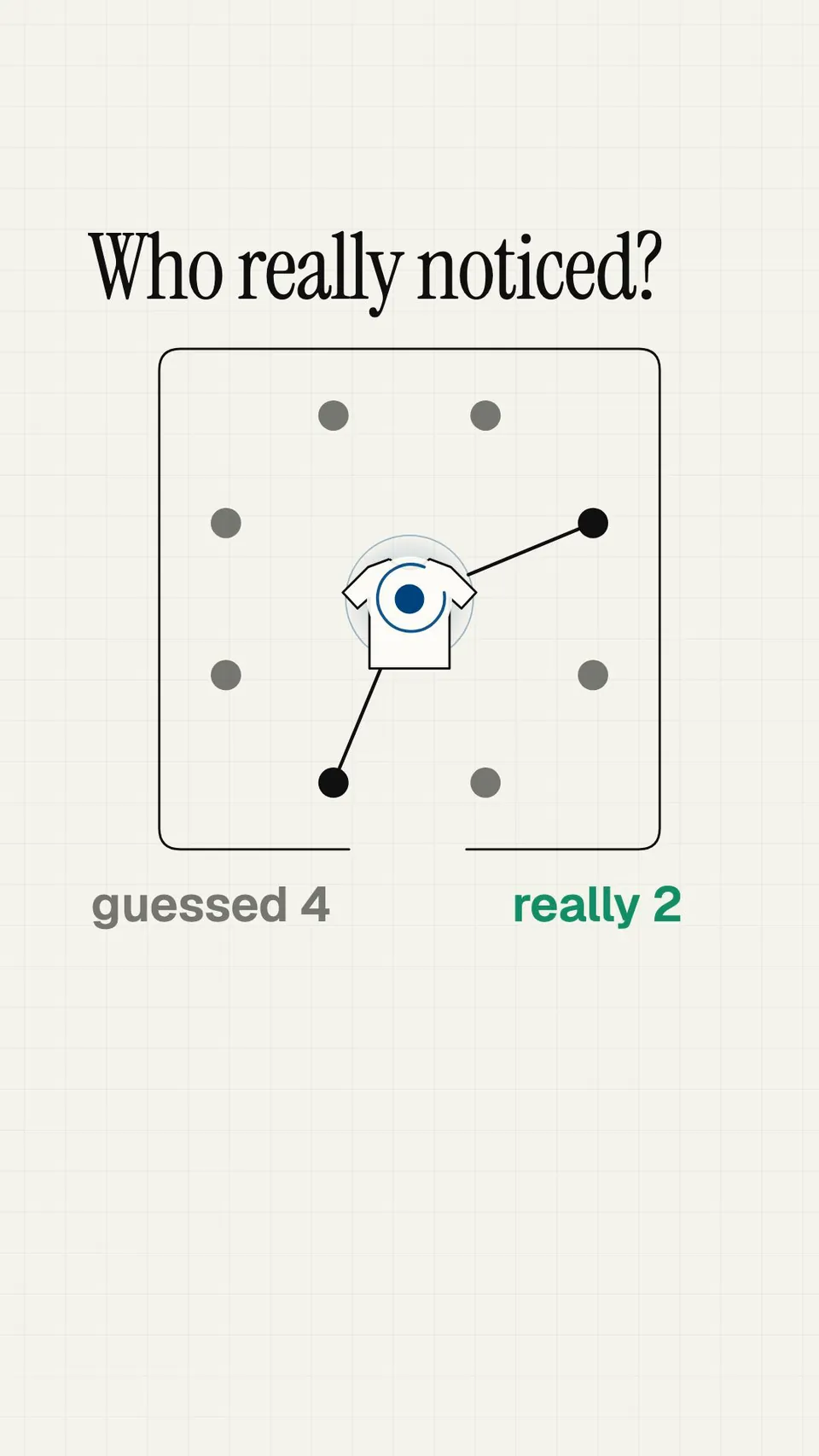
Guess how many of eight people noticed. A 4-second approved take carries the whole Reel, the cheapest so far at 37.39 credits.
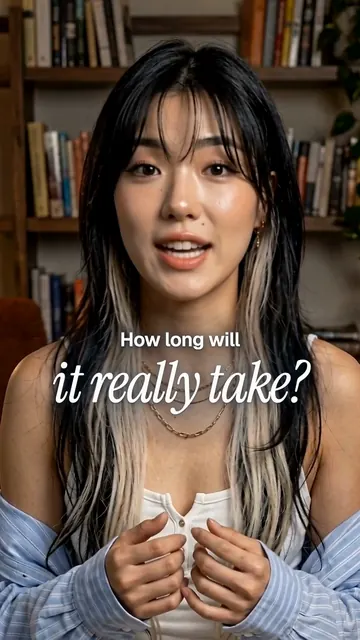 Oct 28 · Play along
How Long Will It Really Take?
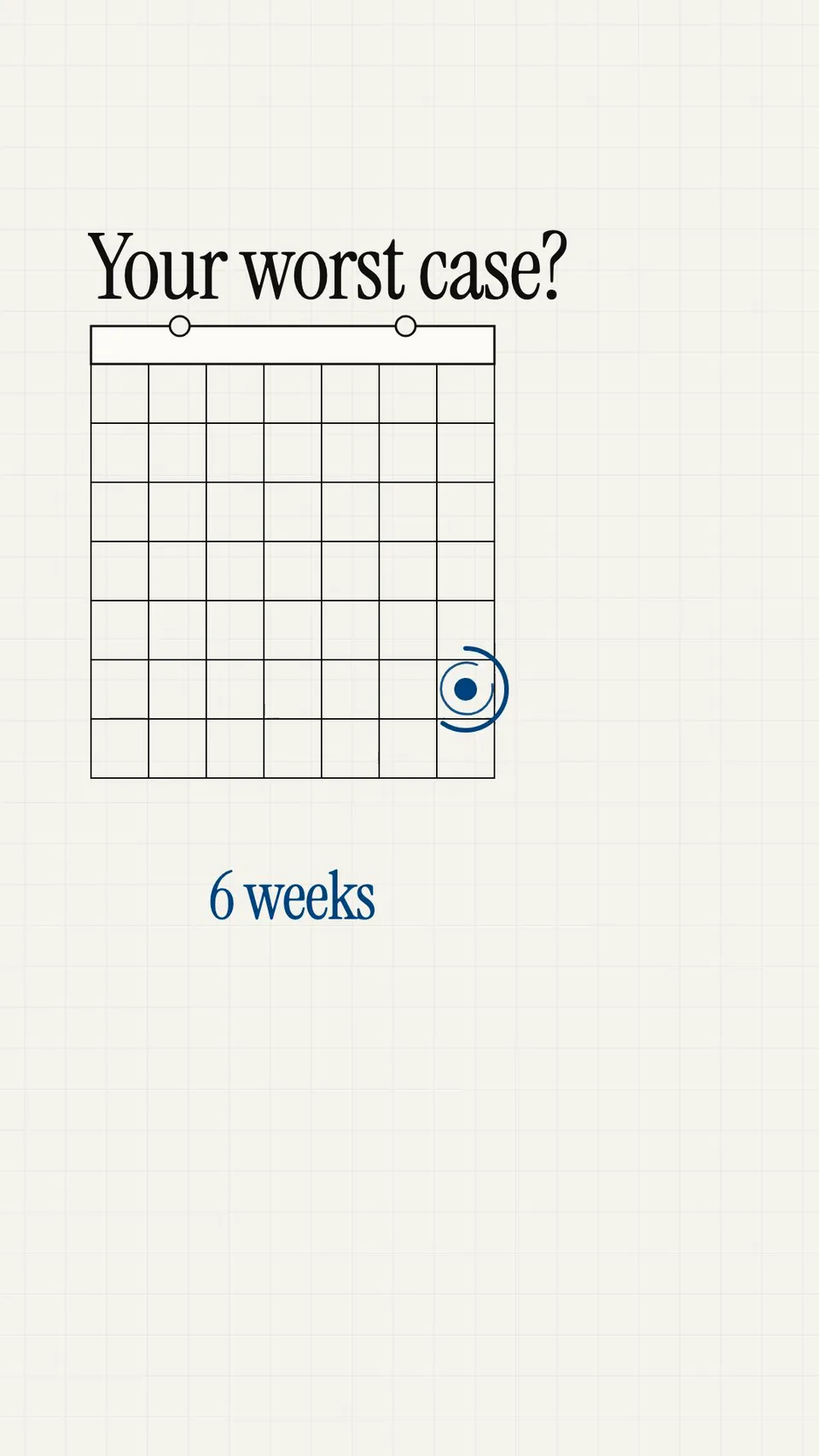
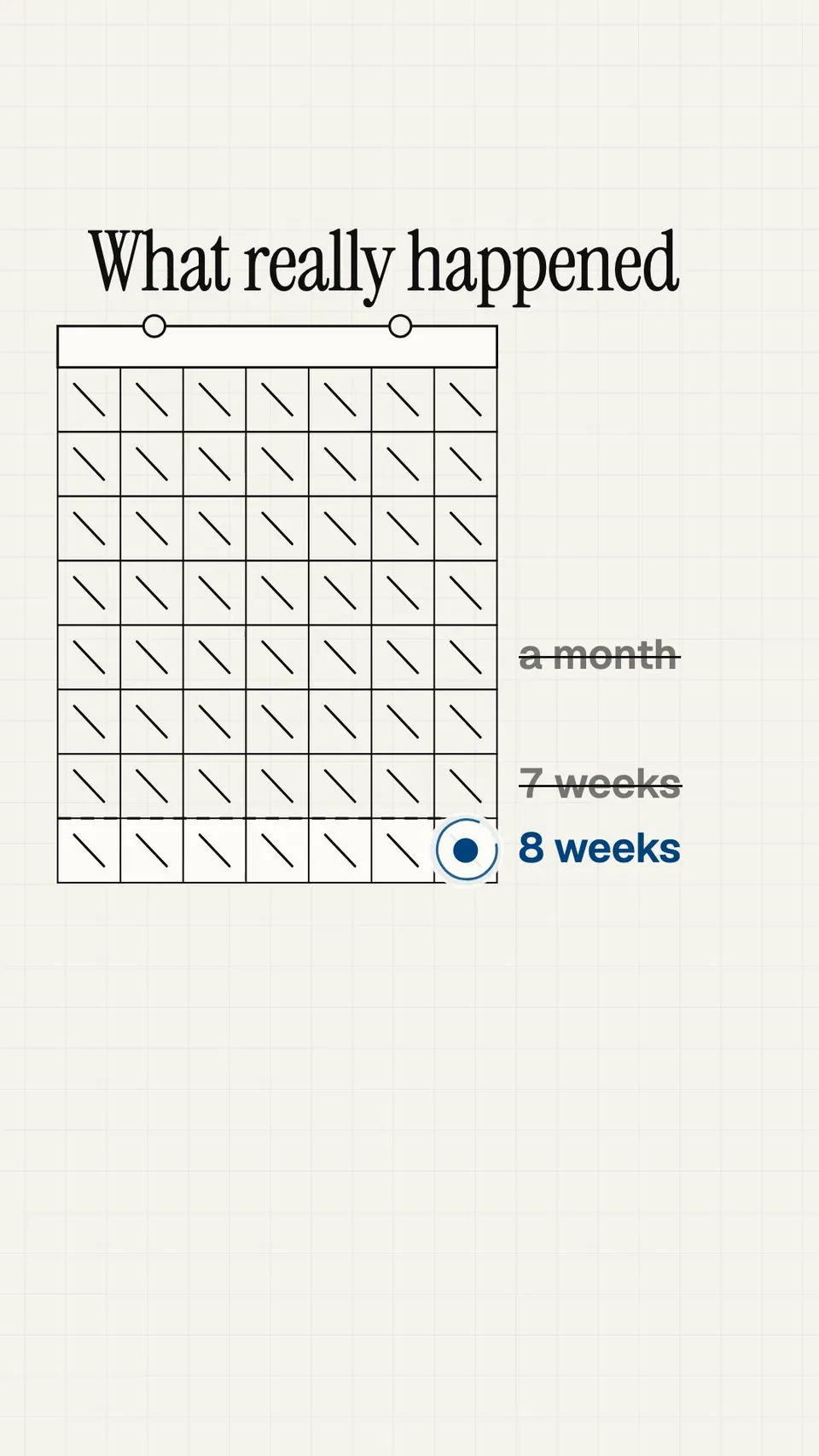
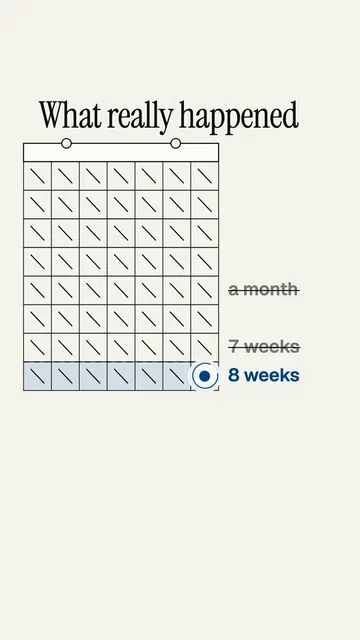
Pick your worst case on a calendar. Deadlines break, the calendar runs out of rows, and the paid voice was trimmed to 30 seconds for free.
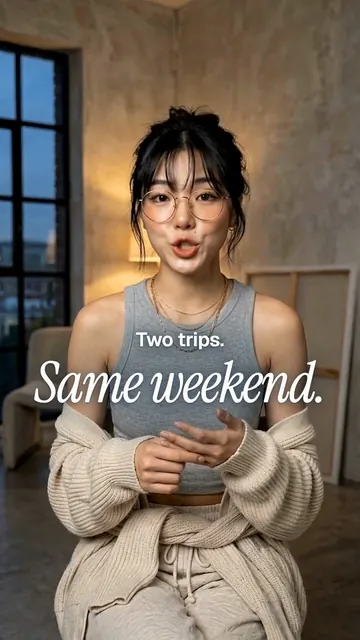 Oct 28 · Play along
Two Trips. Same Weekend.
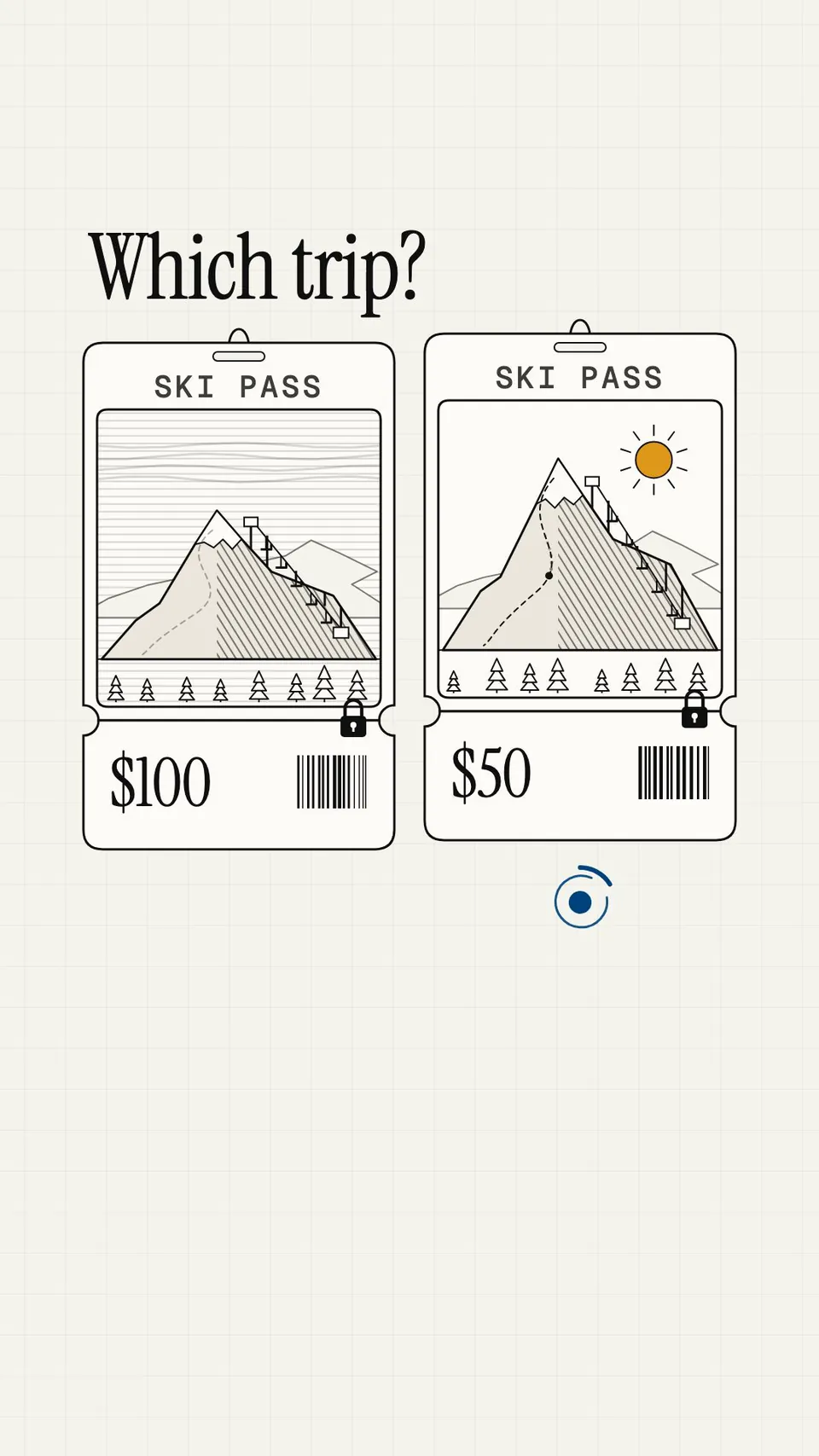
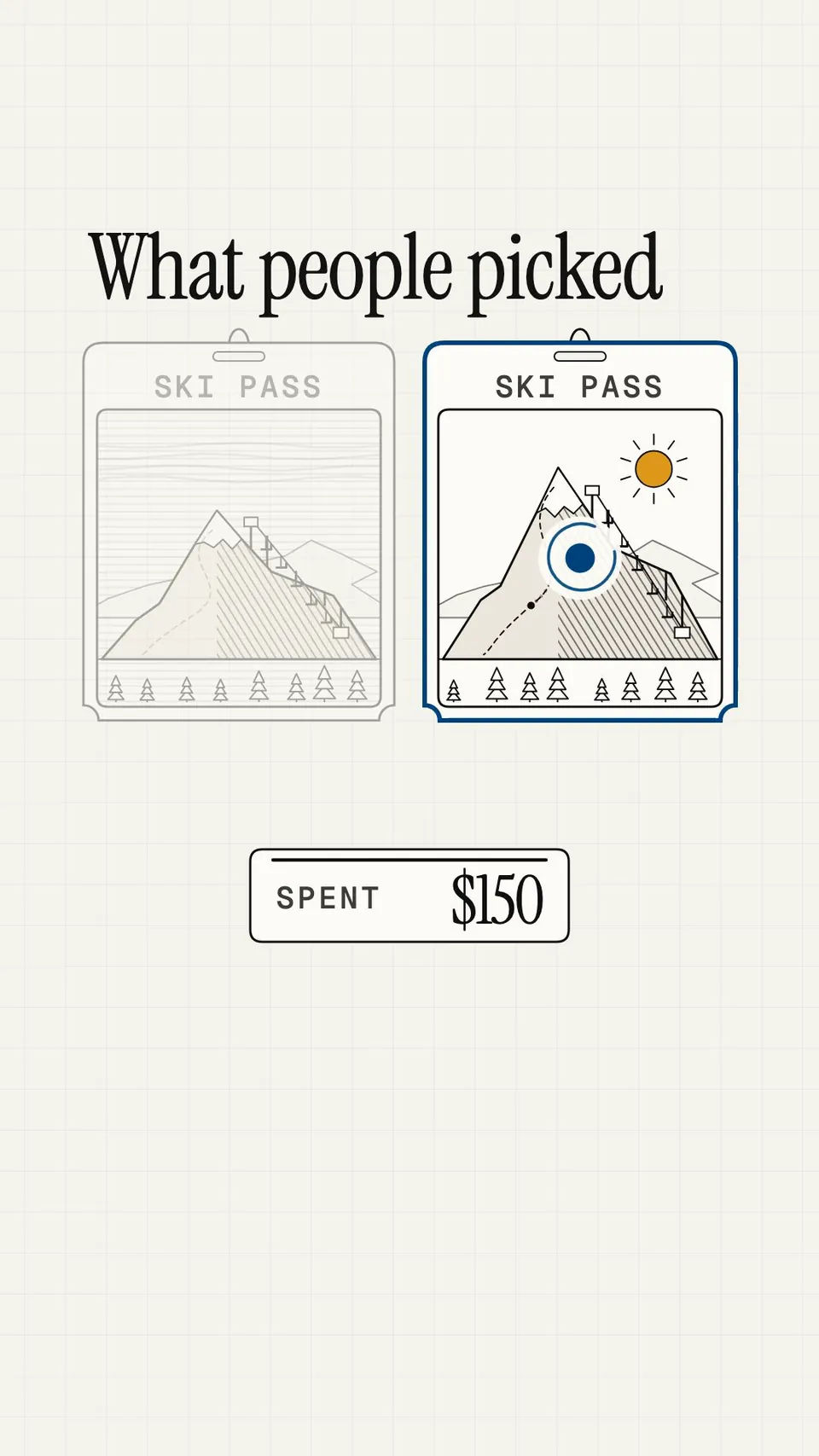
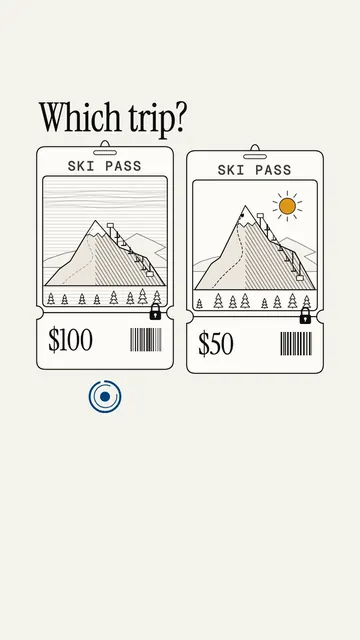
Two ski passes, each a window onto its trip. Redrawn as a world the hour I called the first version too simple, for 0 credits: the art direction for every stage after it.
Finals are my own exports, re-encoded for the web. Four of the nine were public on October 29; the five play-along Reels are approved and waiting to be posted.
Earlier Reels, May to September
The first era's posted Reels, the two that were finished and never posted, the trend Reel, then the Studio studies of September and October. Tap any of them to play.
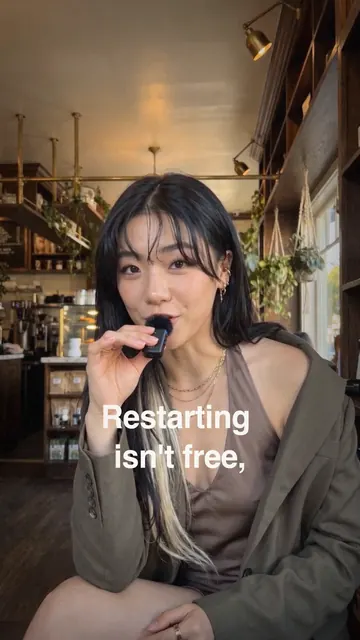 Not posted
Restarting Isn't Free.
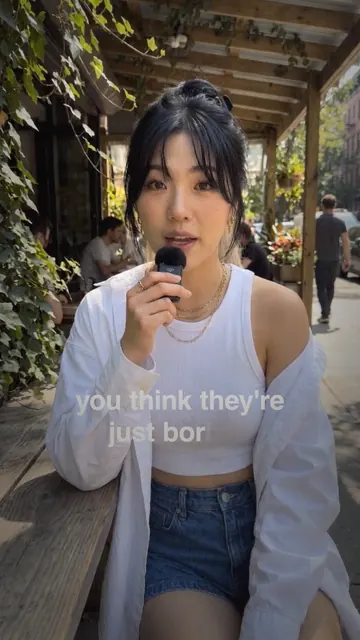 Not posted
You Think They're Just Boring, Right?
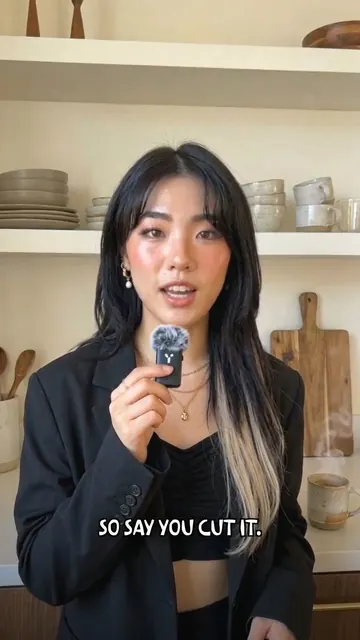 Preview
Good, Better, Best
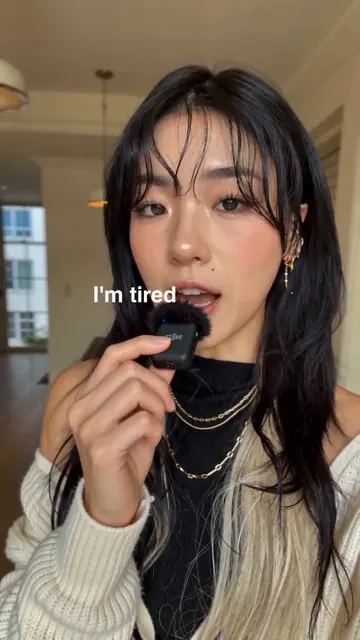
I'm Choosing the Pressure Again.

The Future Isn't Found. It's Chosen.
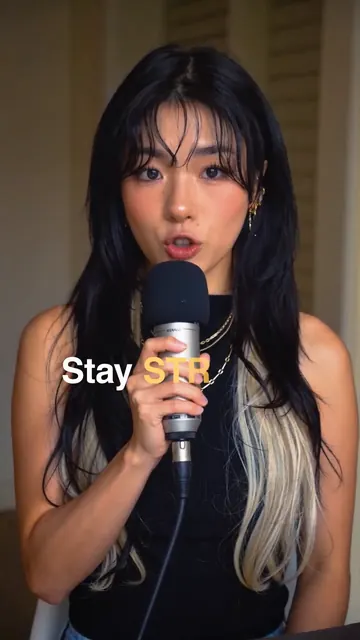
Some Days Are Heavy. That's Normal.
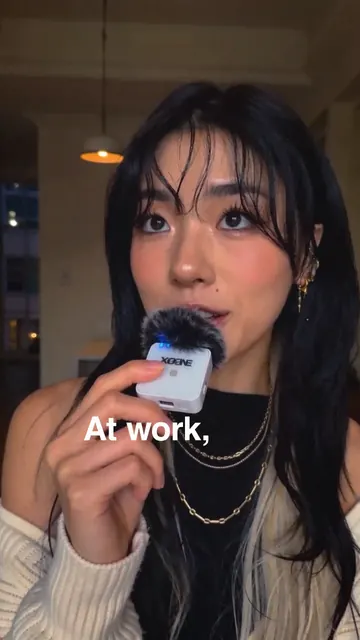
You Don't Lack Time.

Listen. Don't Defend.
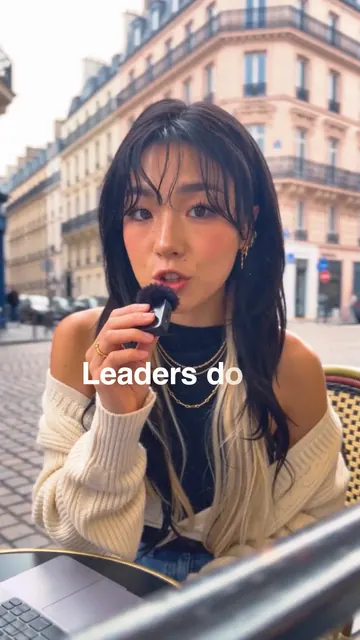
Great Leaders Don't Just Tell People What to Do.
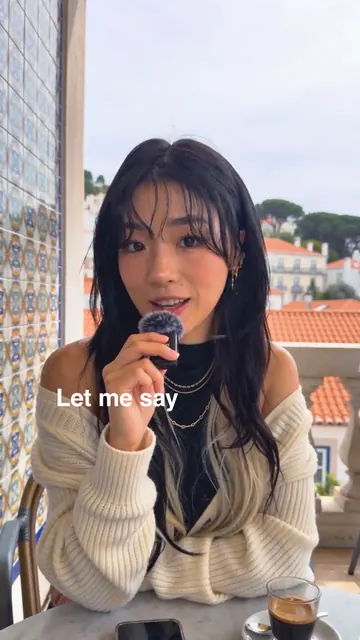
Trust Isn't Built by Helping People.
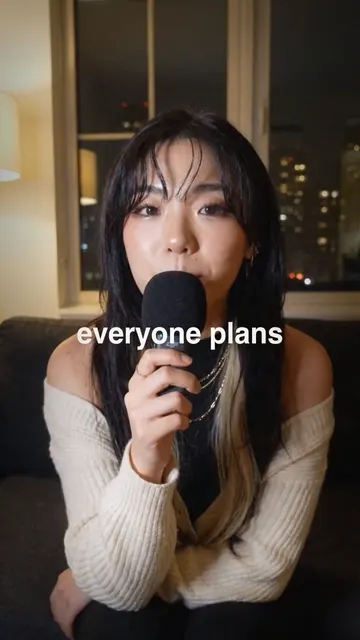
Everyone Plans How to Win.
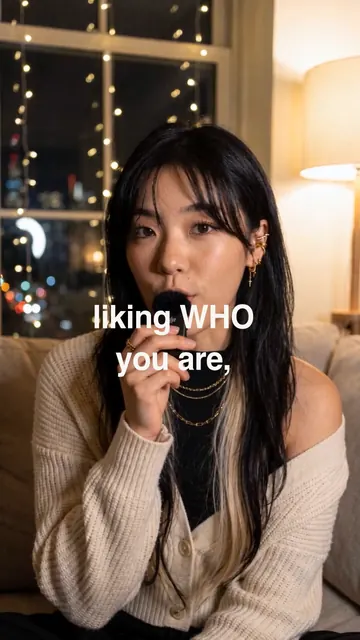
What Success Actually Means
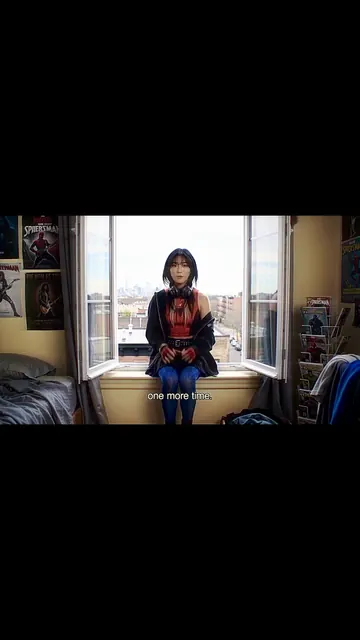 Trend
Alright, Let's Do This One More Time.
 Preview
Open High: The 30-second Template
 Preview
The Scene Kit
 Preview
Motion Study
 Preview
The Cast: Dot and Stick
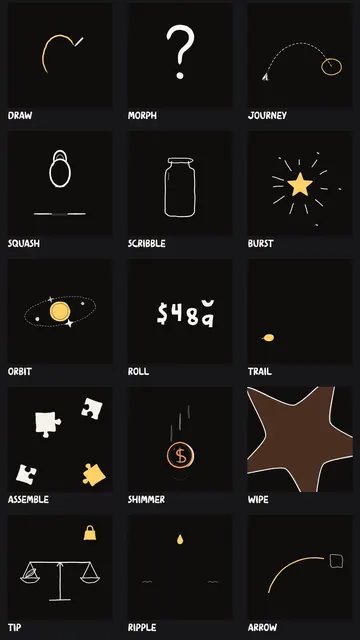 Preview
Fifteen Motion Primitives
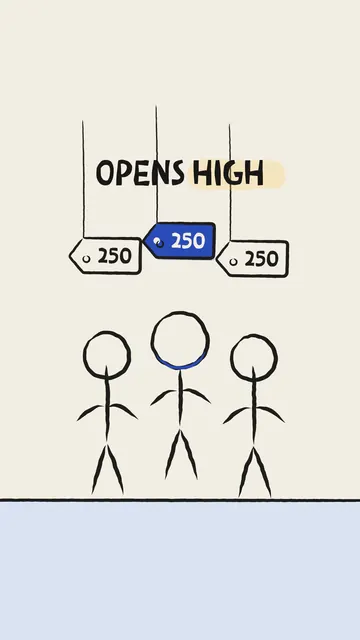 Preview
The World Grammar, Paper
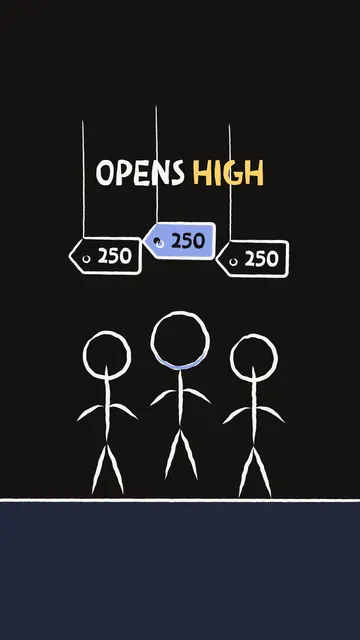 Preview
The World Grammar, Night
Four Apps, One Face
Every Reel is posted by hand to Instagram, TikTok, YouTube Shorts and Facebook as @decydehq. These are real public captures, taken logged out on October 29, 2026; the newest posts on top are the rebuilt Reels.
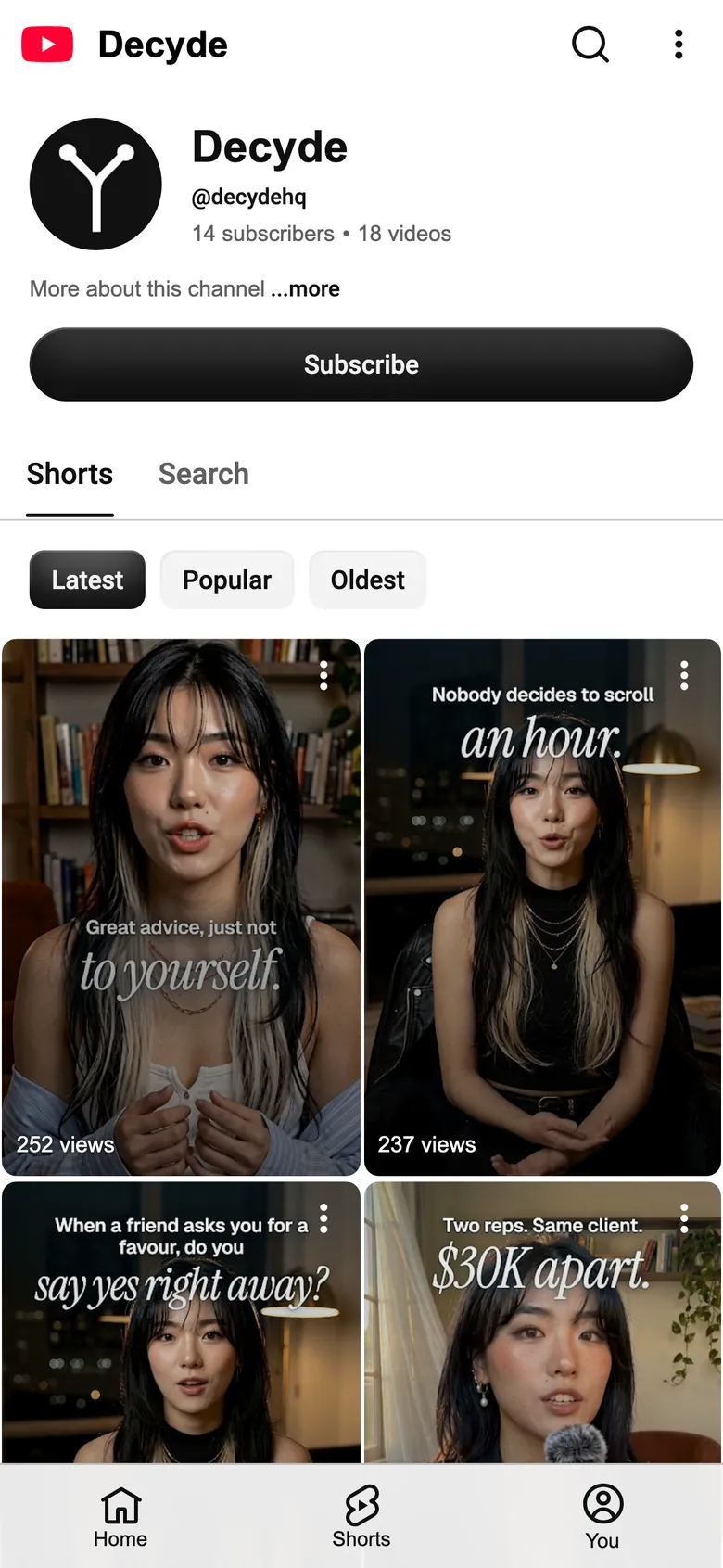
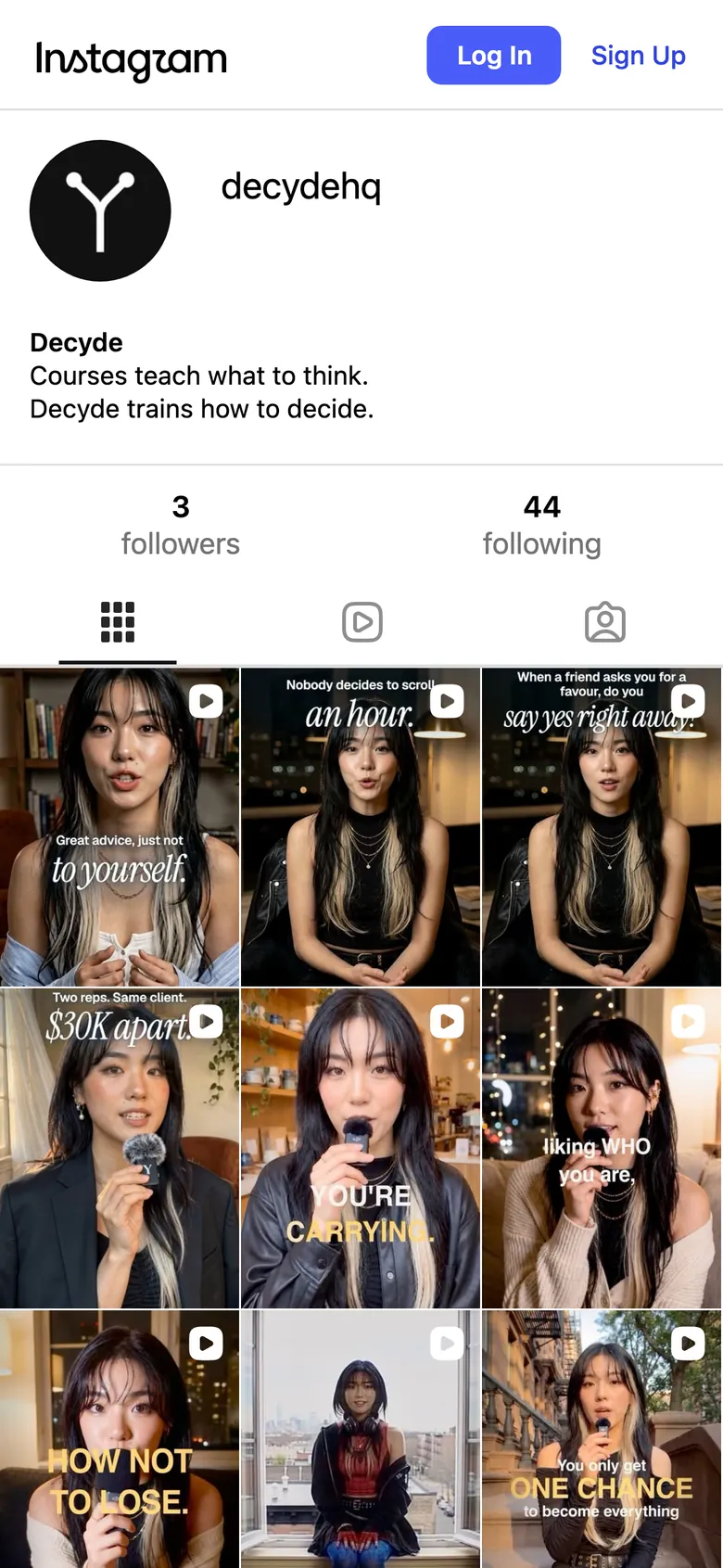
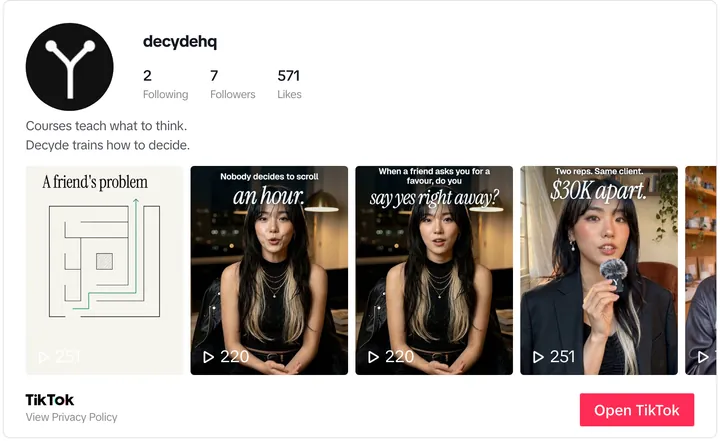
Captured logged out on 2026-10-29. Counts move every day. The same Reels go to Facebook.
Meet Mira
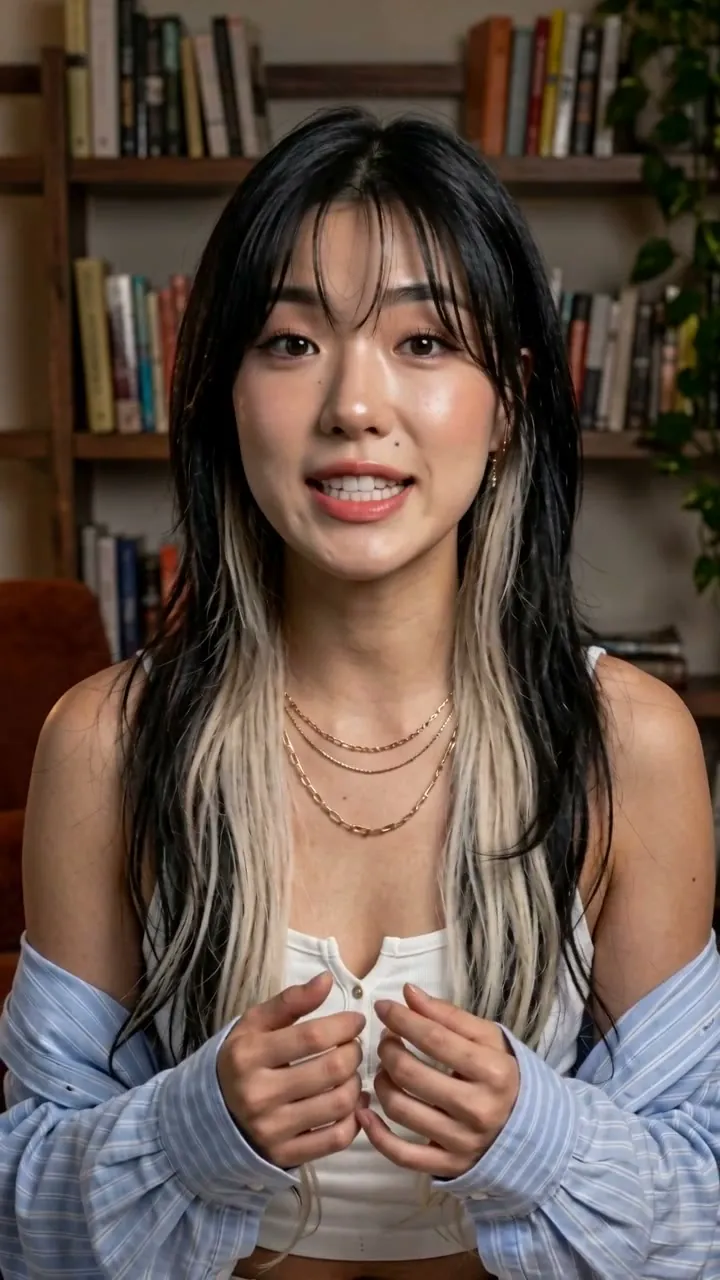
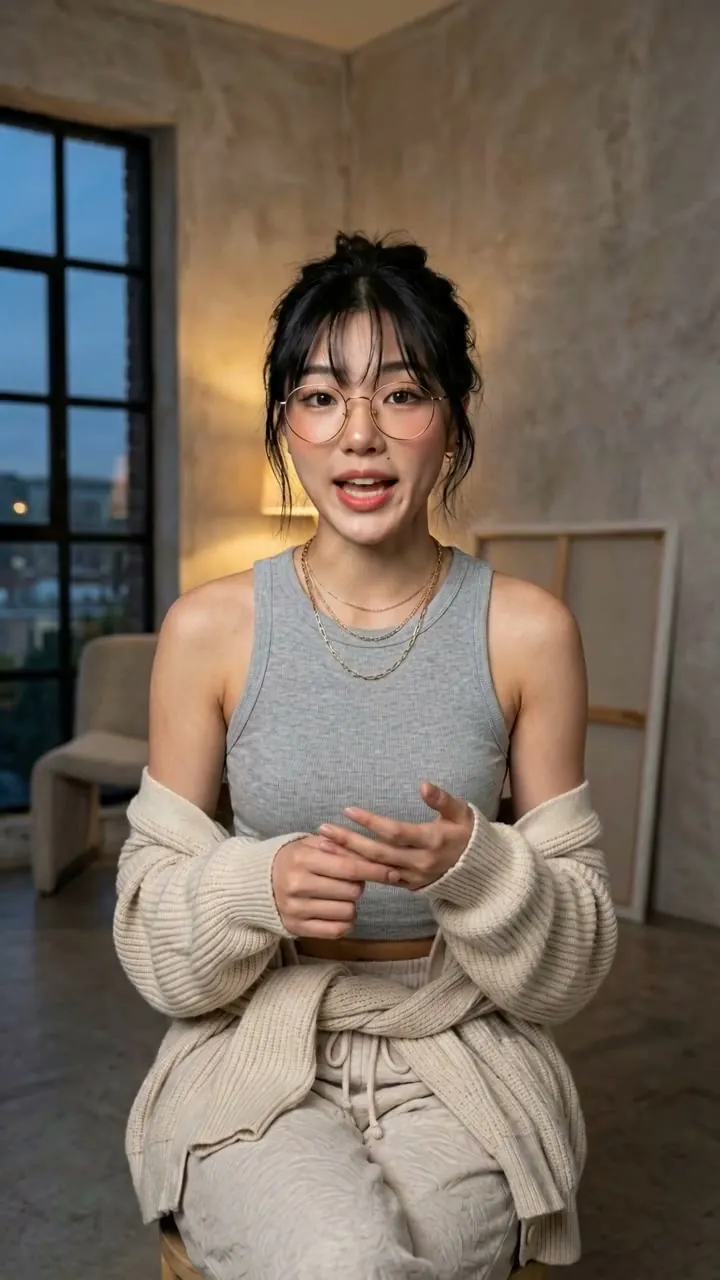
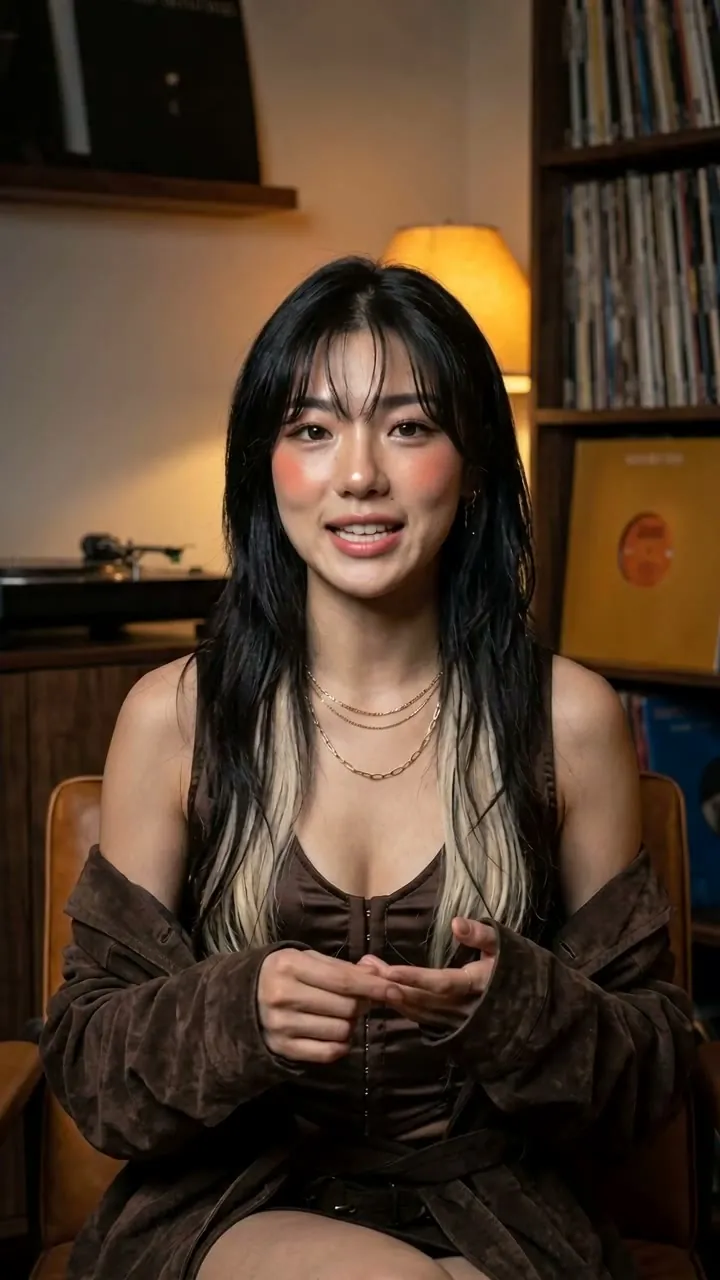
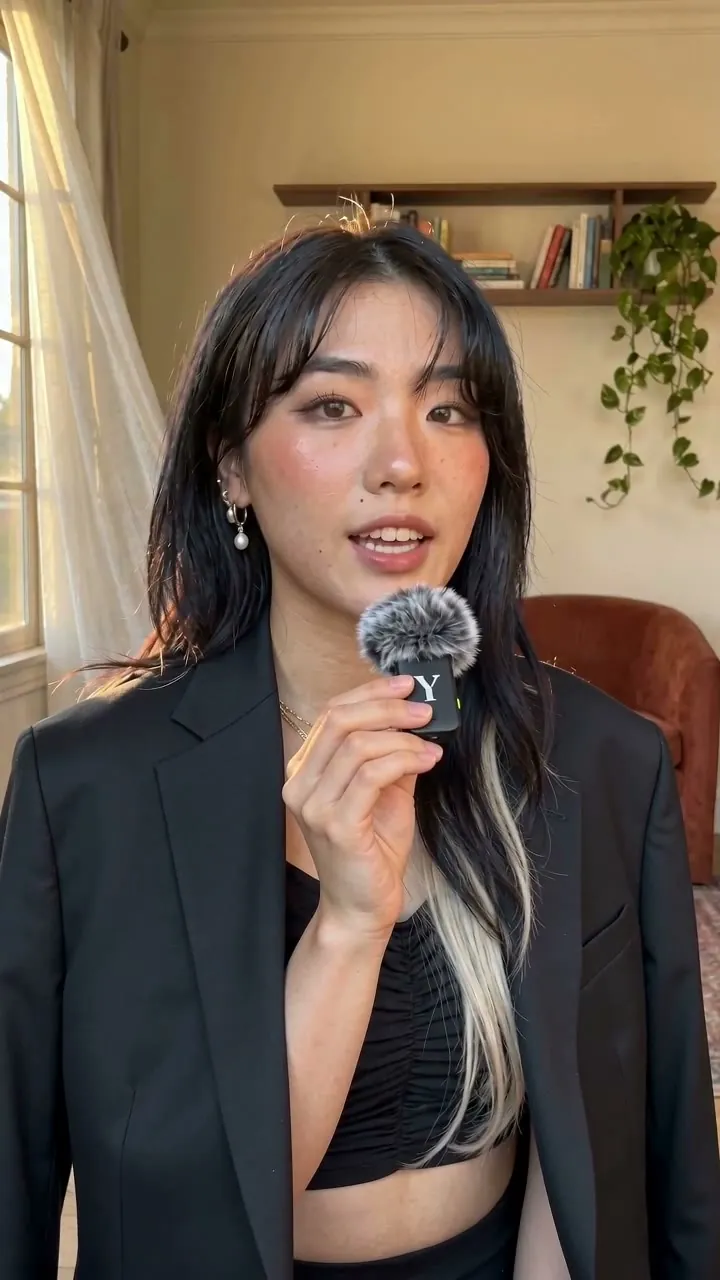
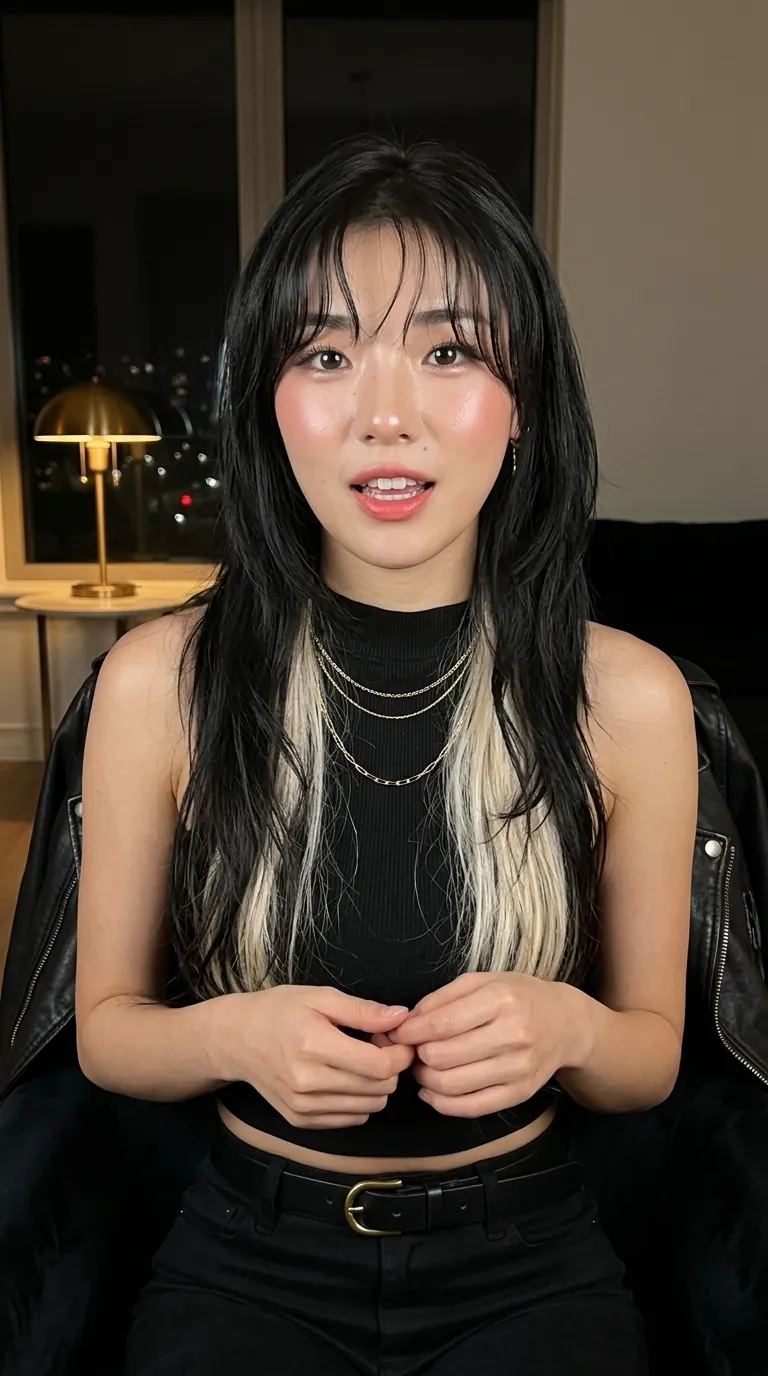
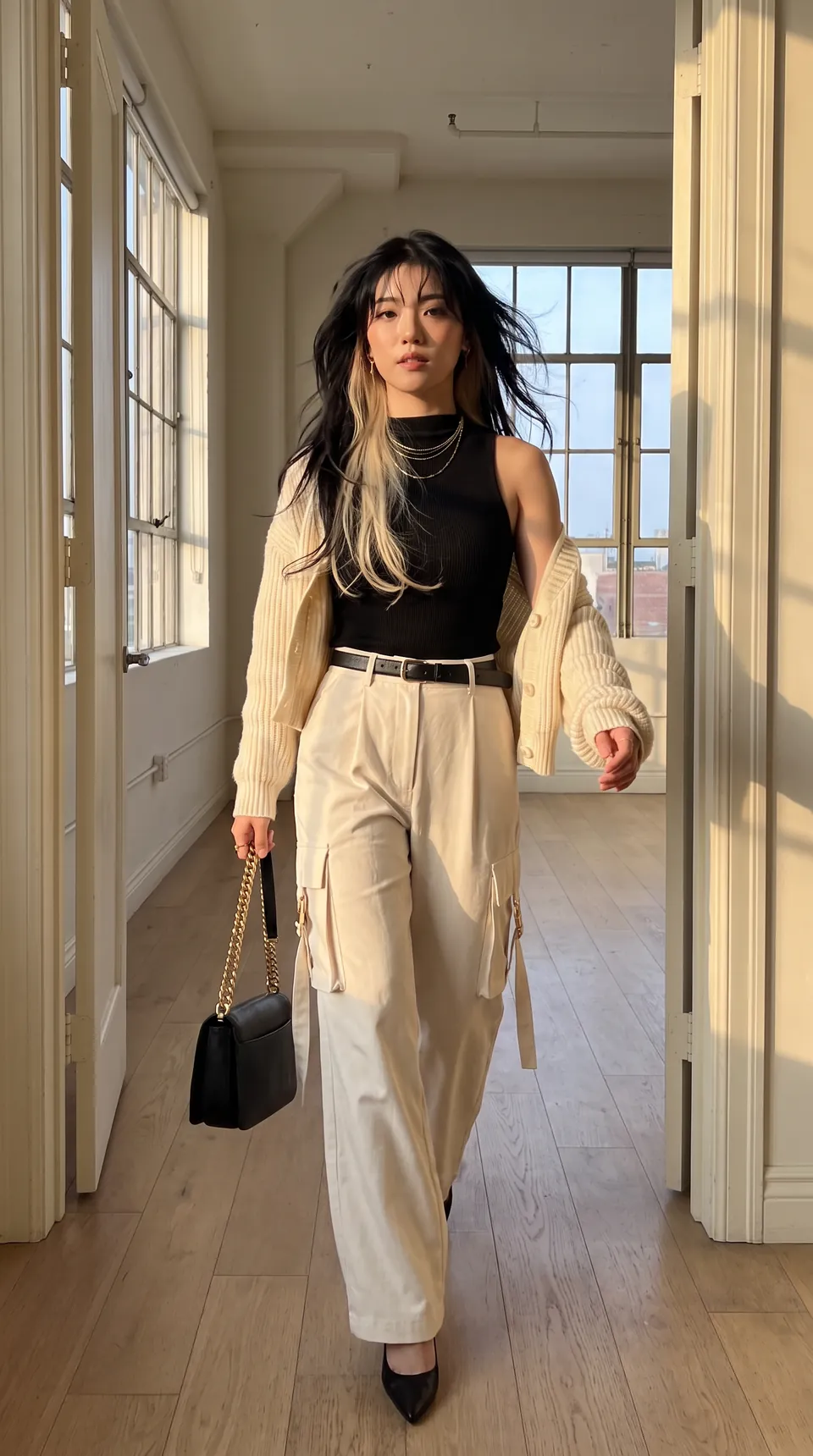
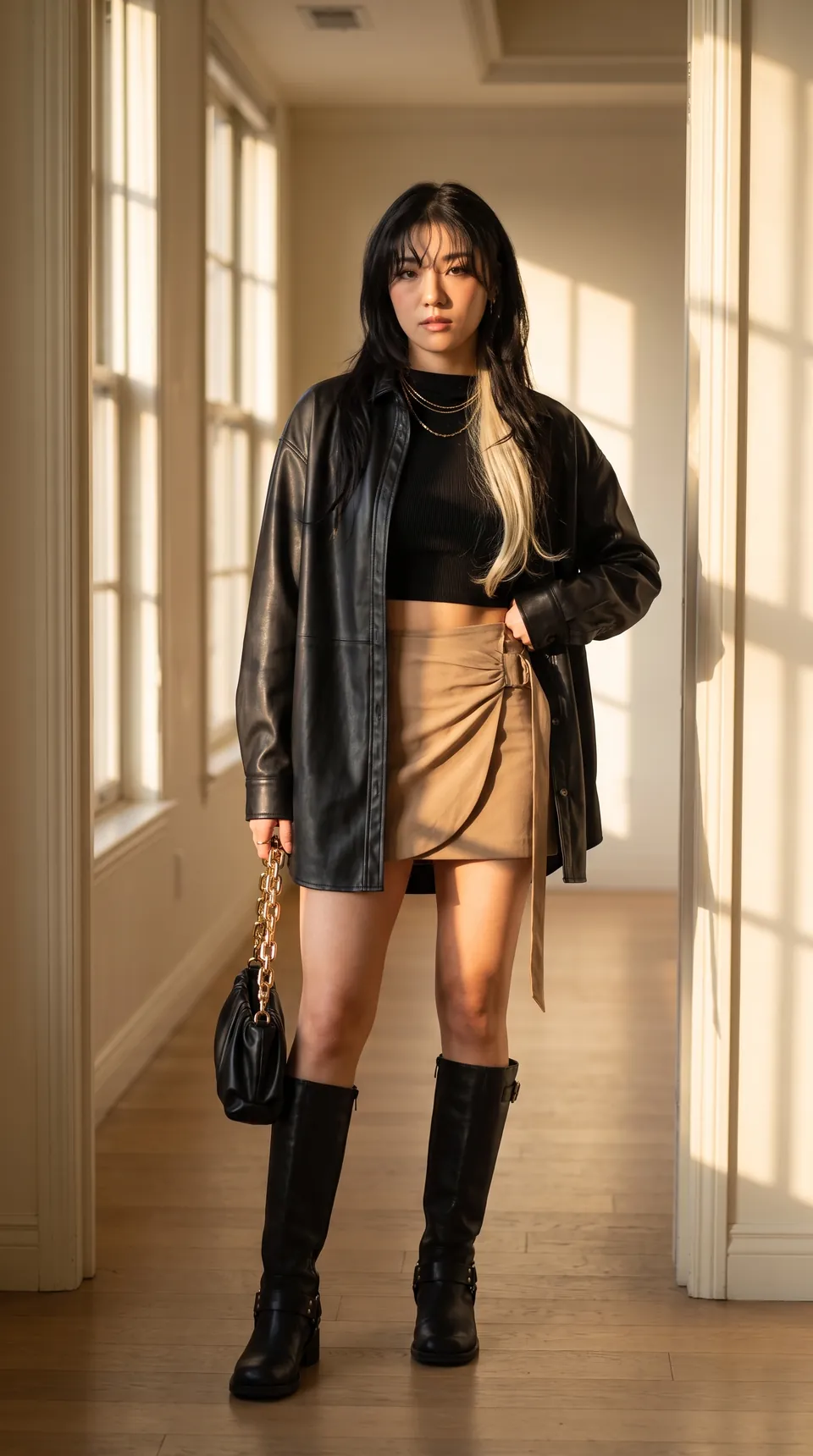
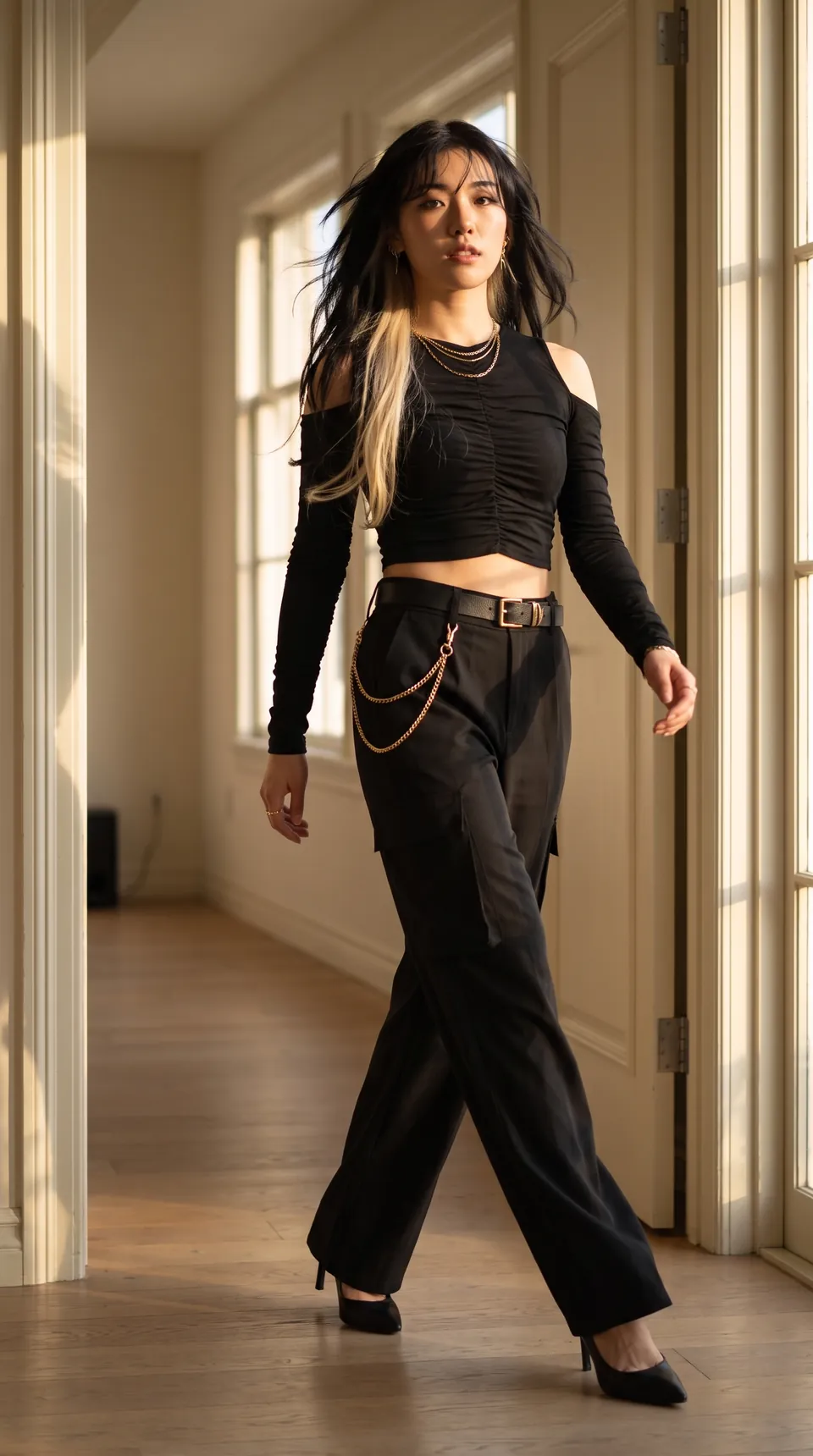
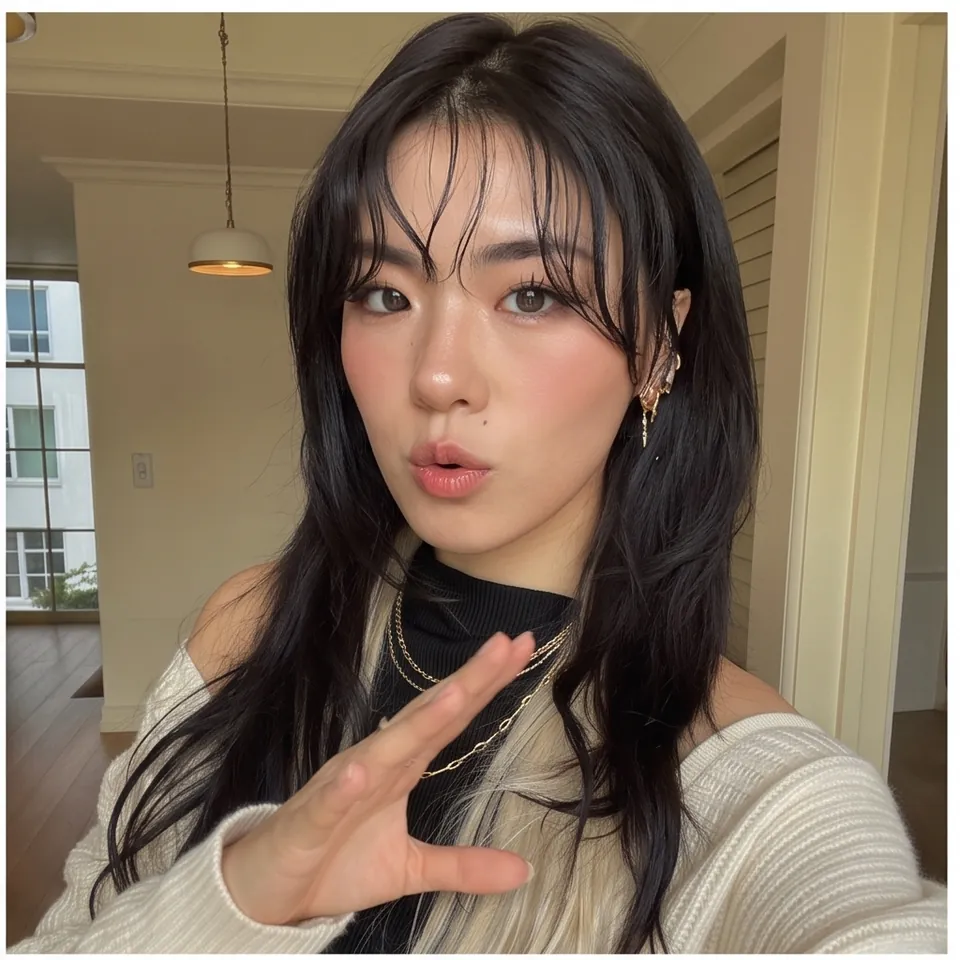
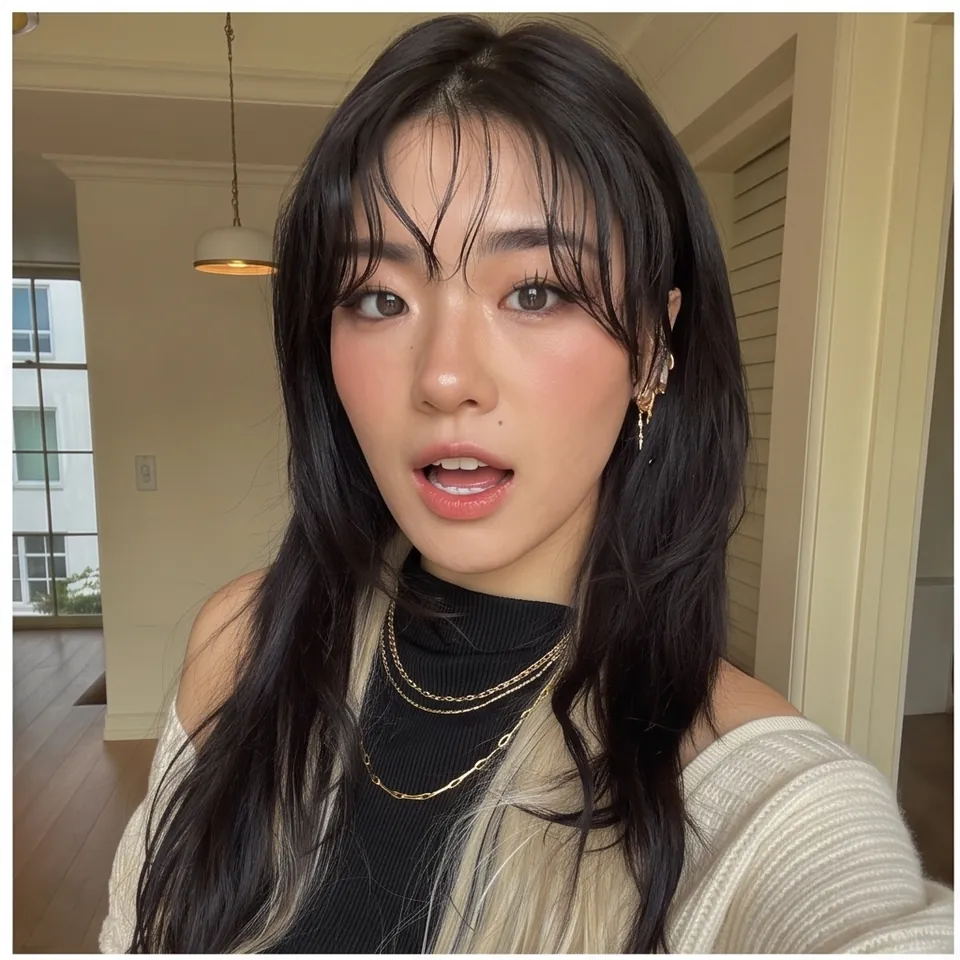
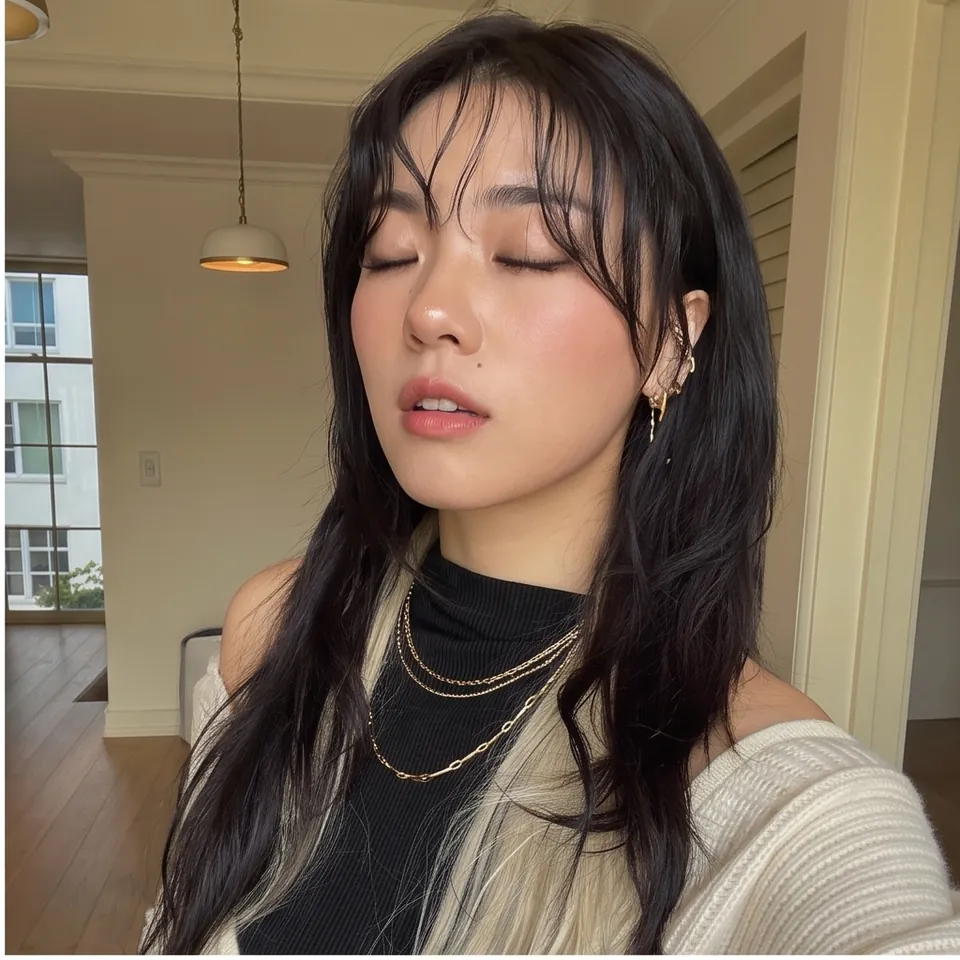
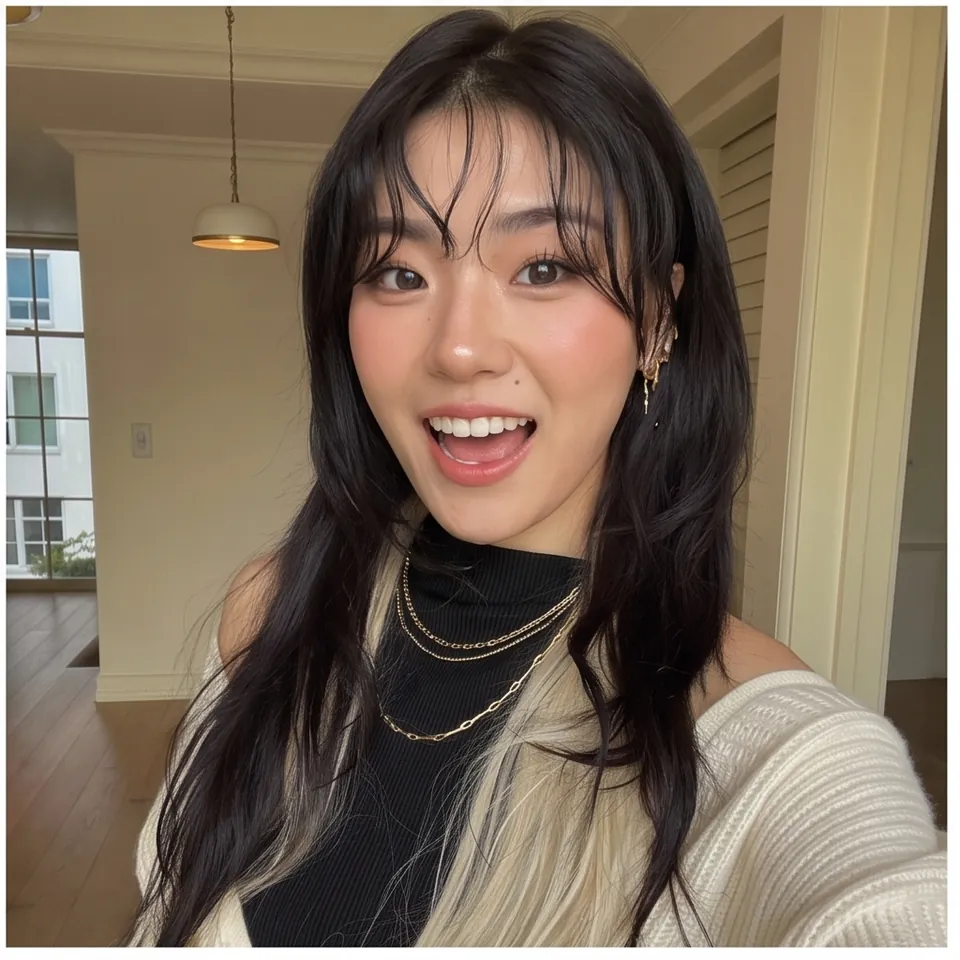
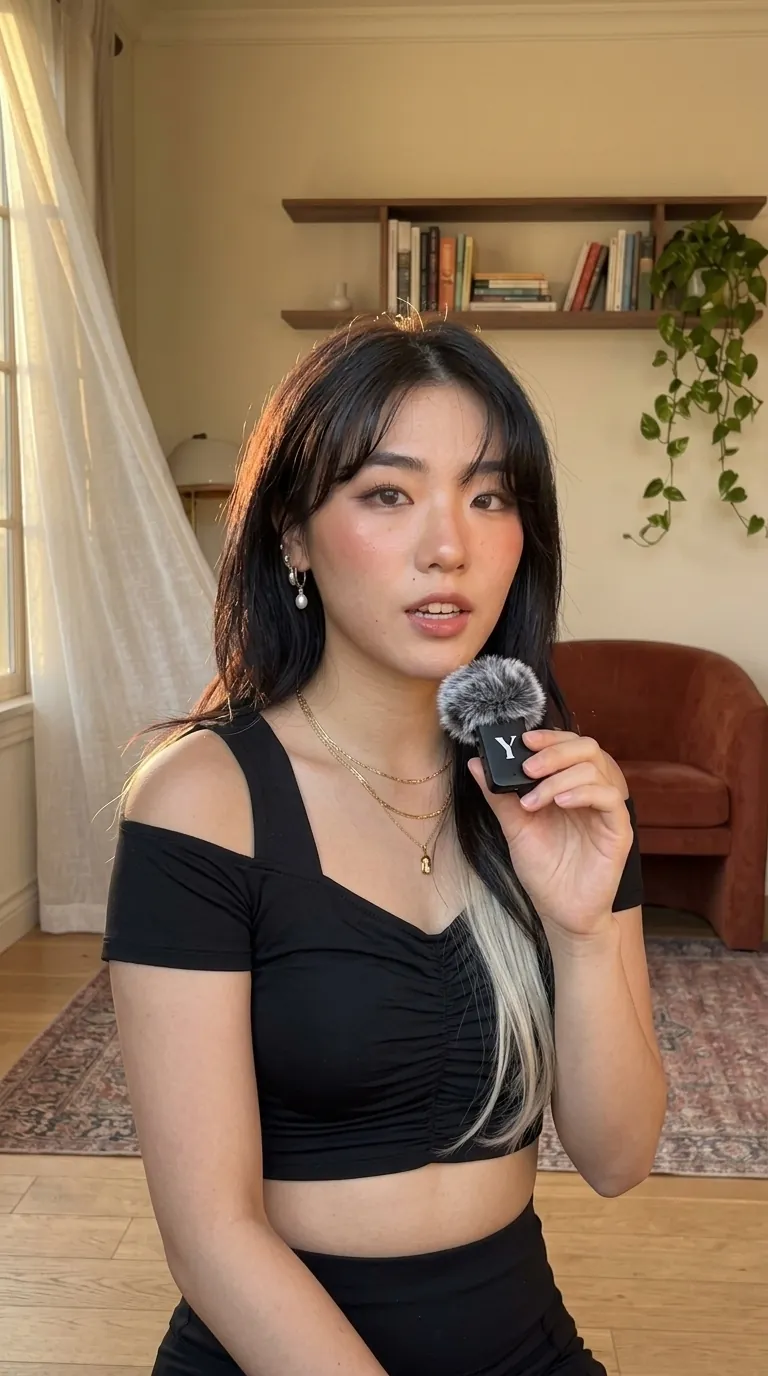
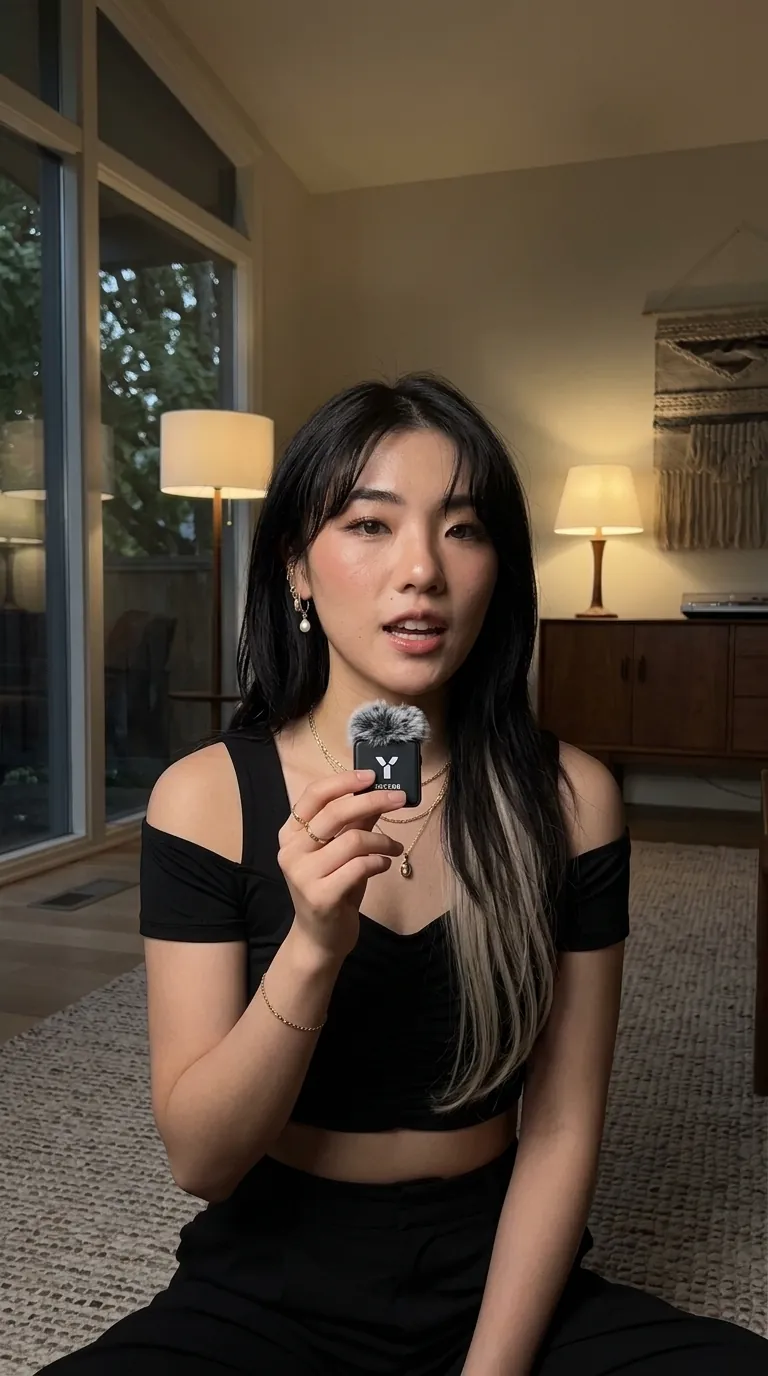
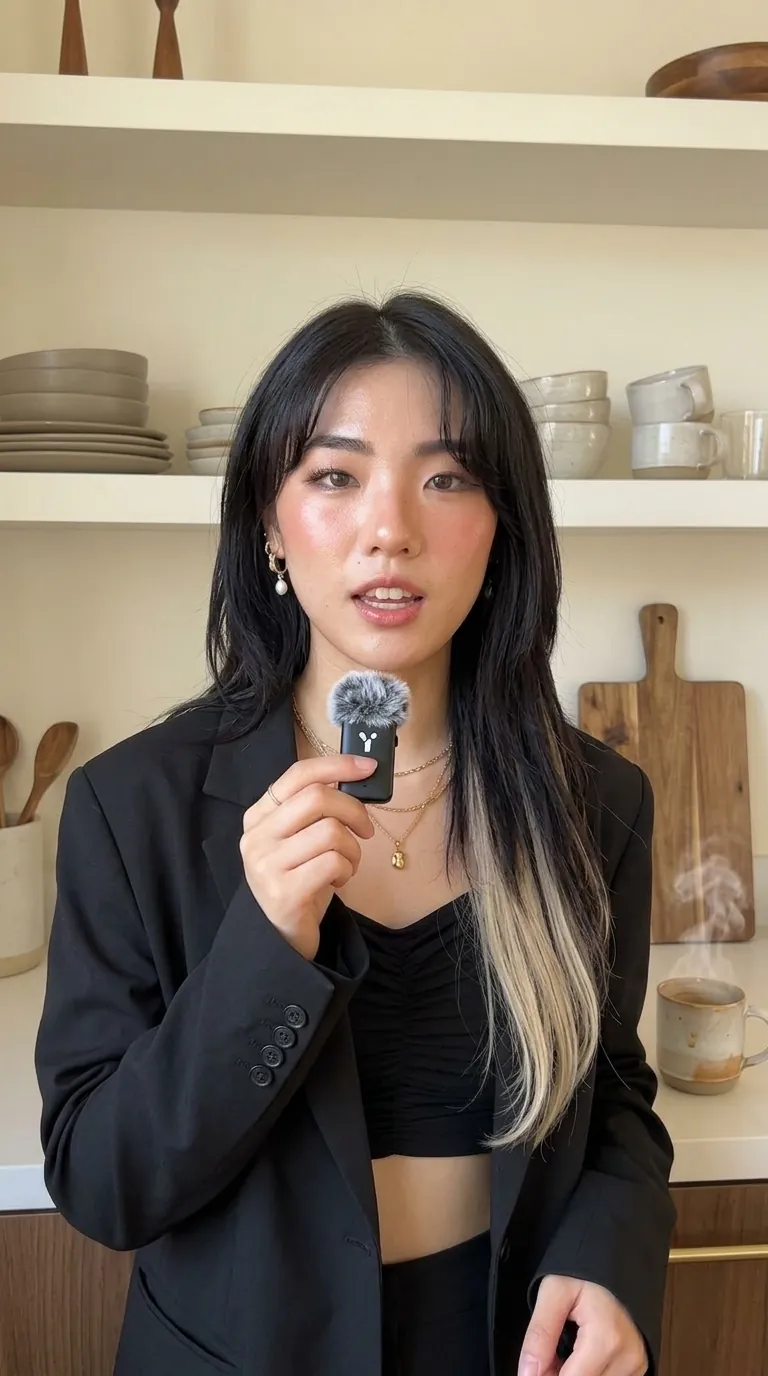
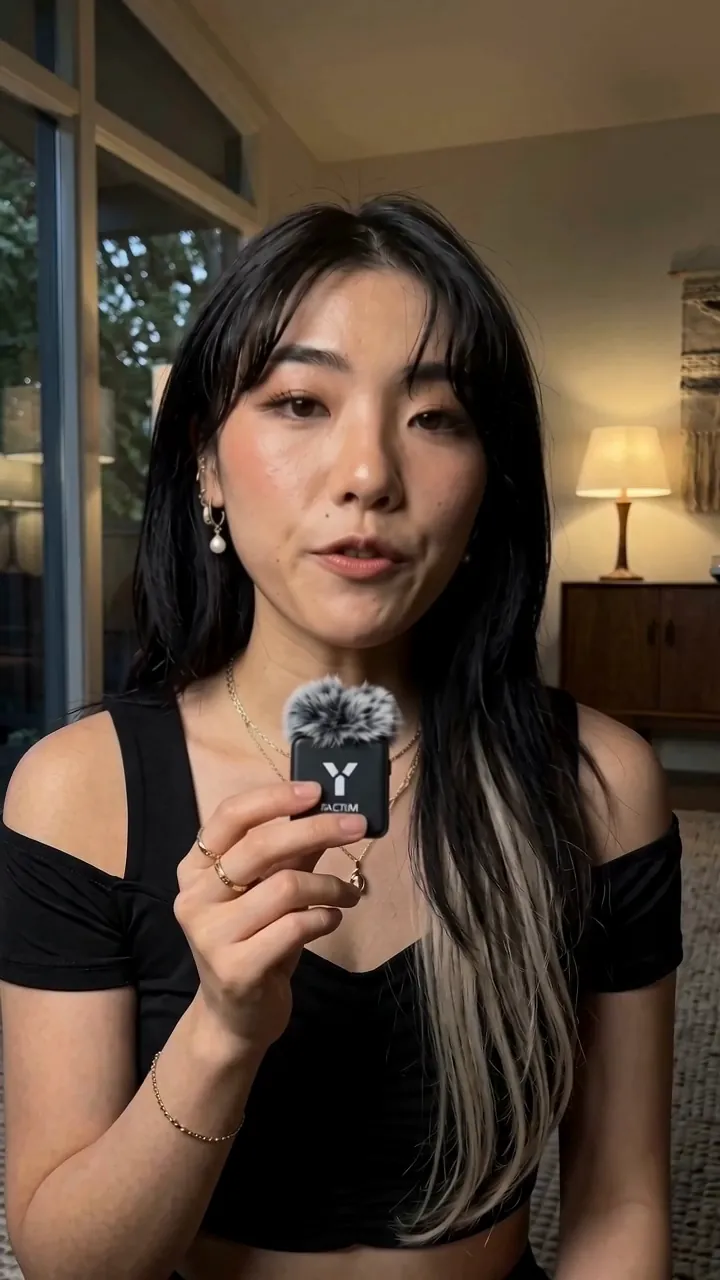
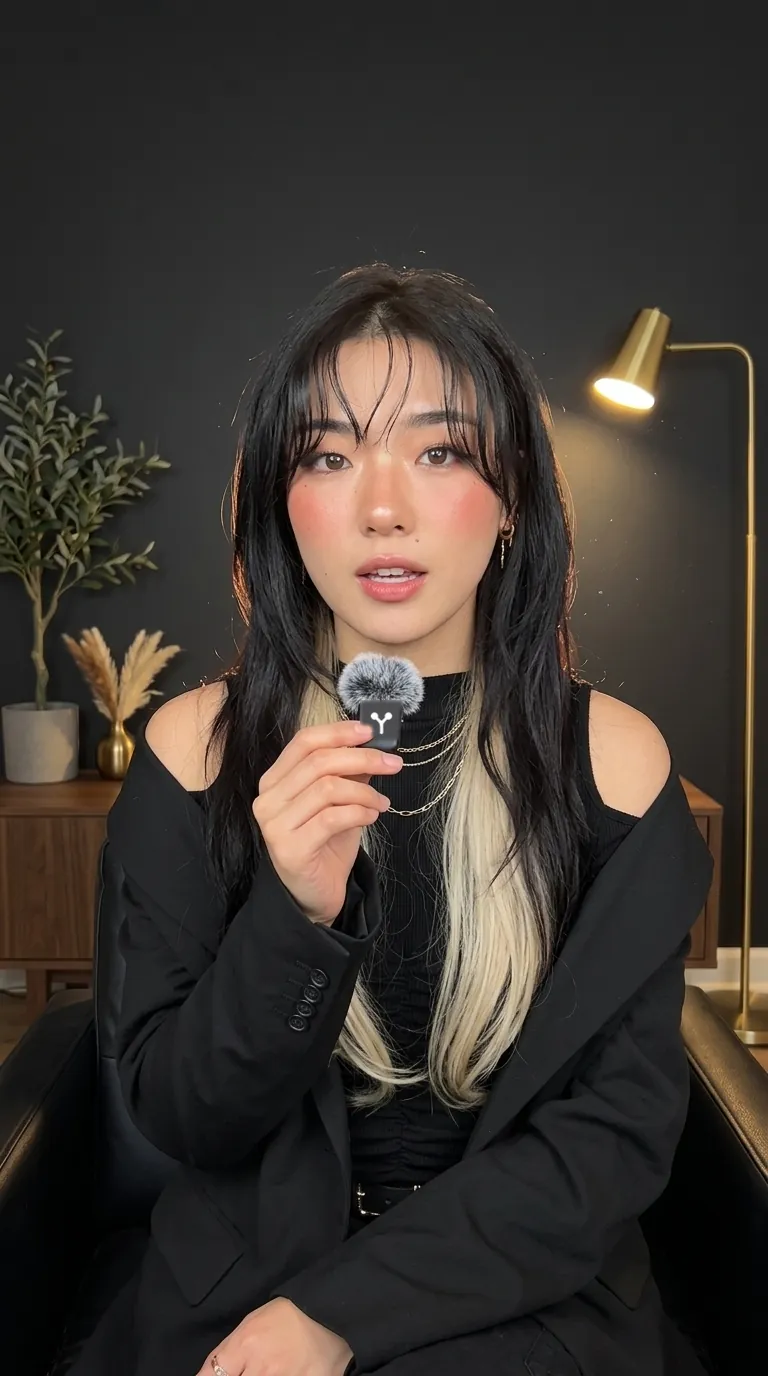
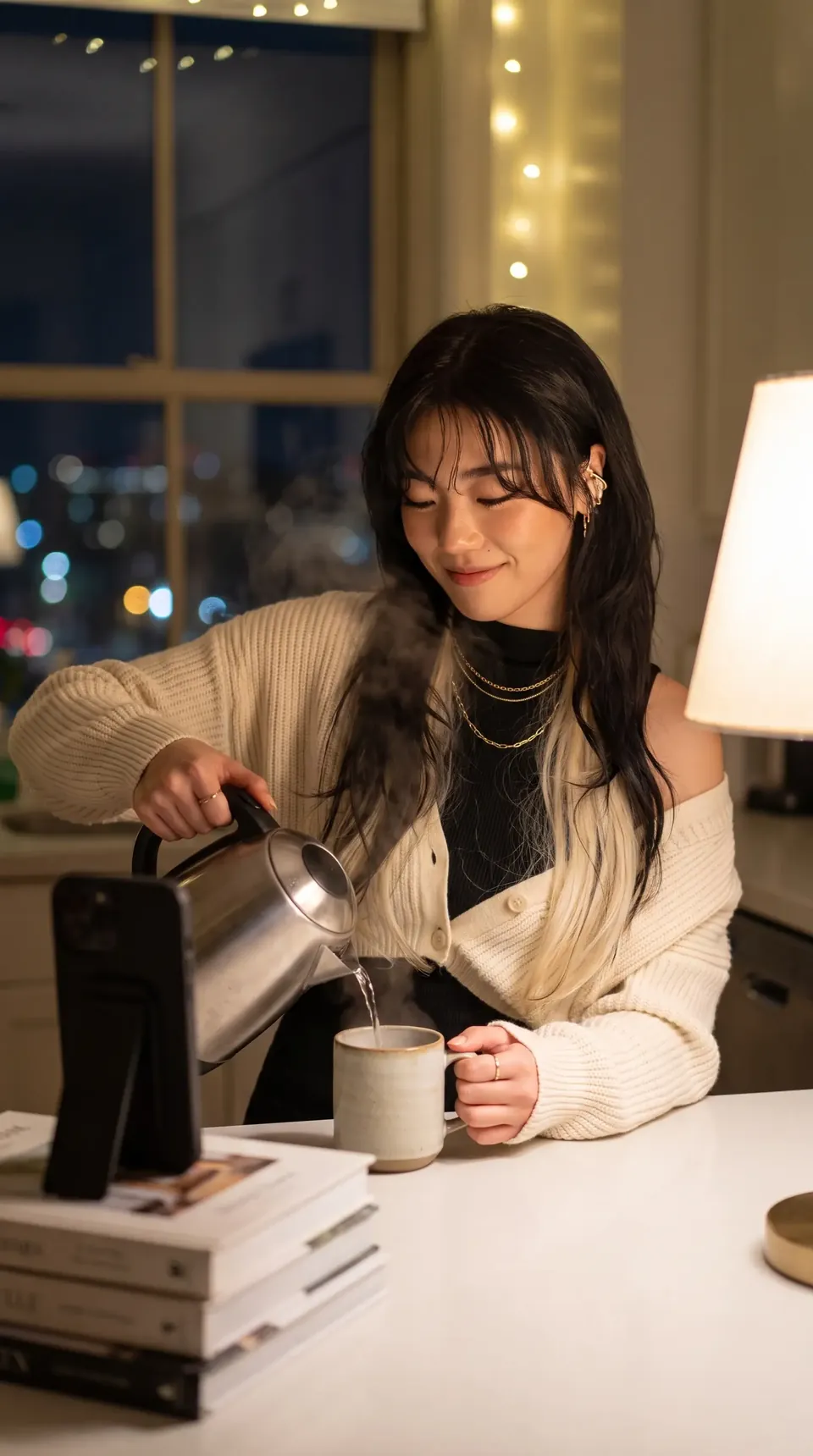
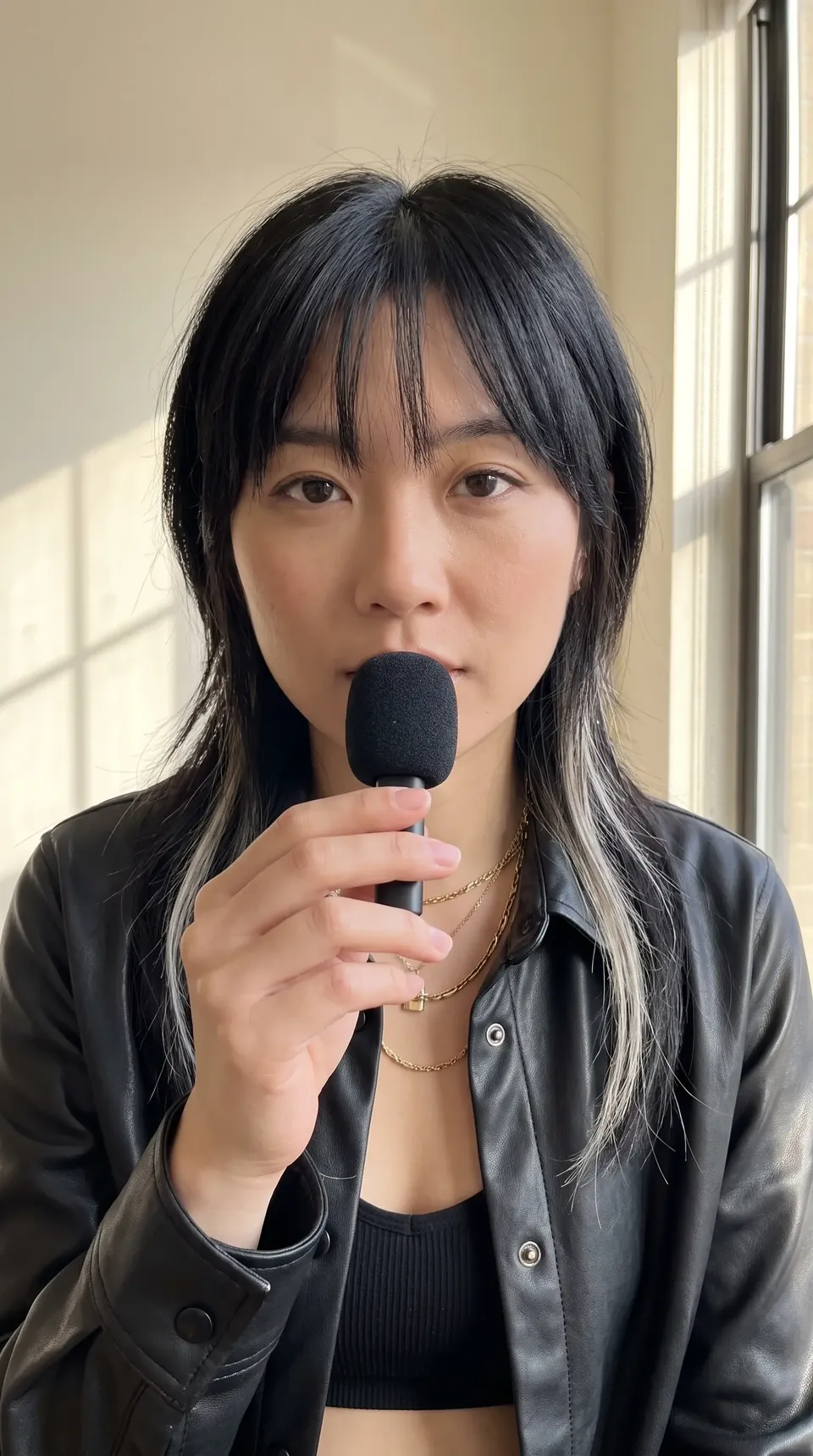
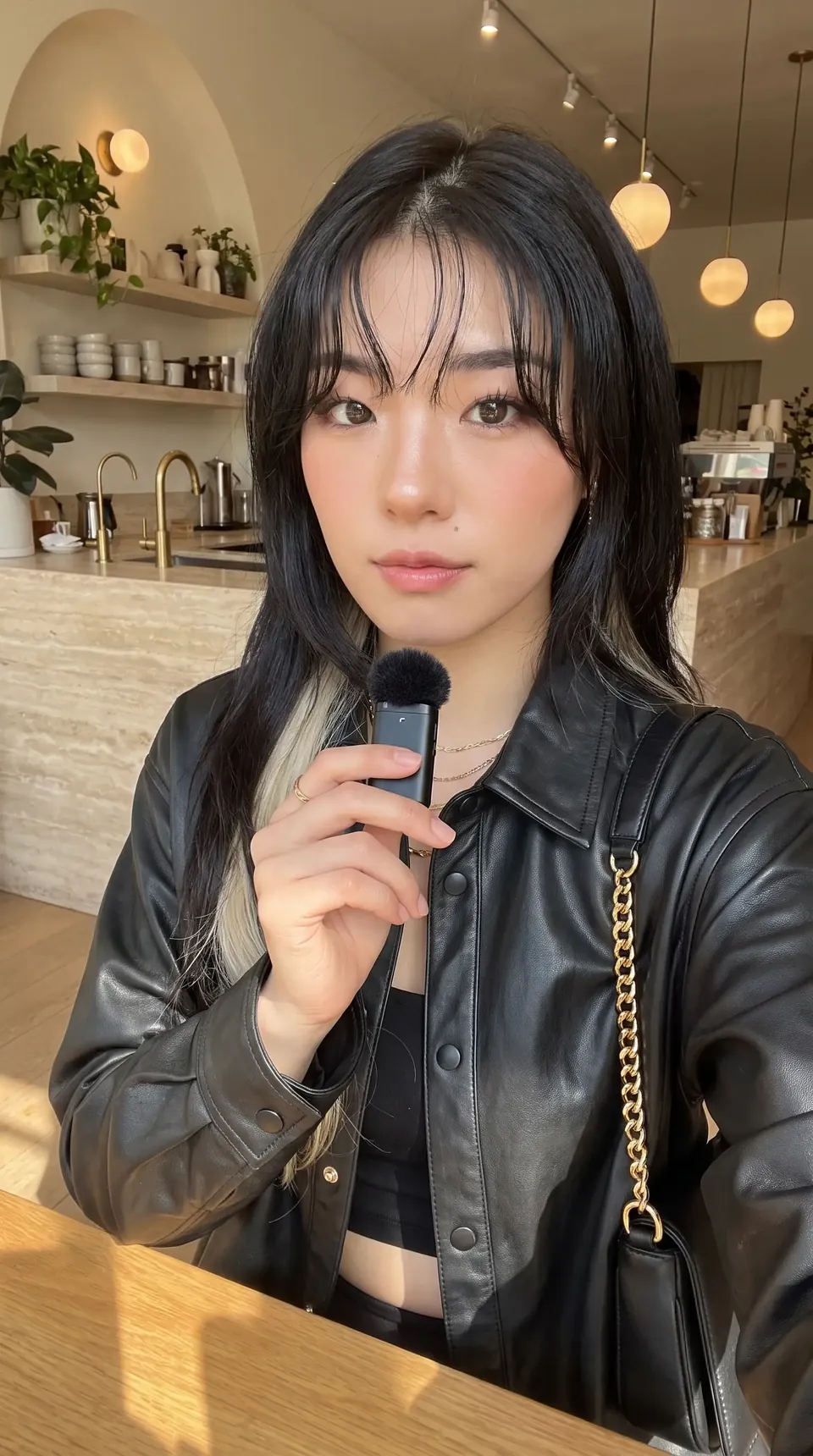
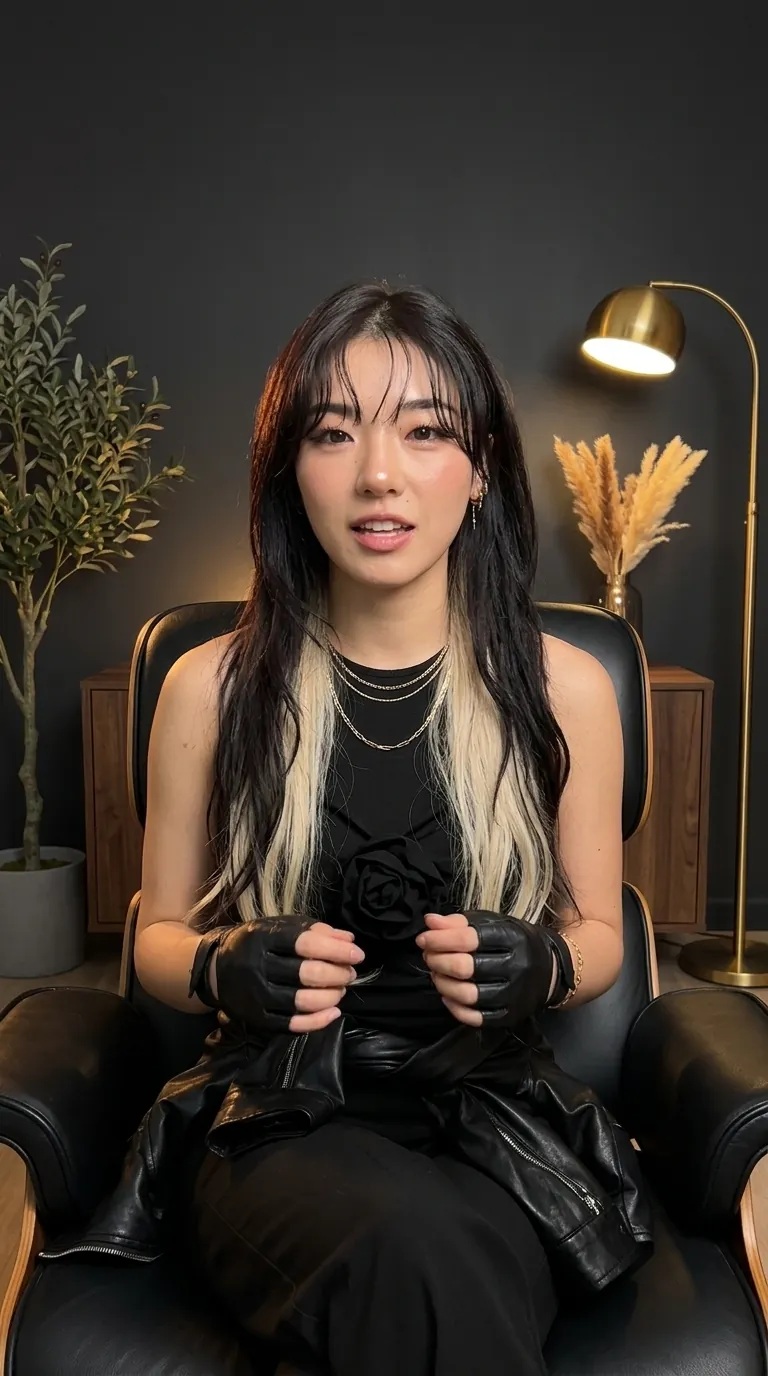
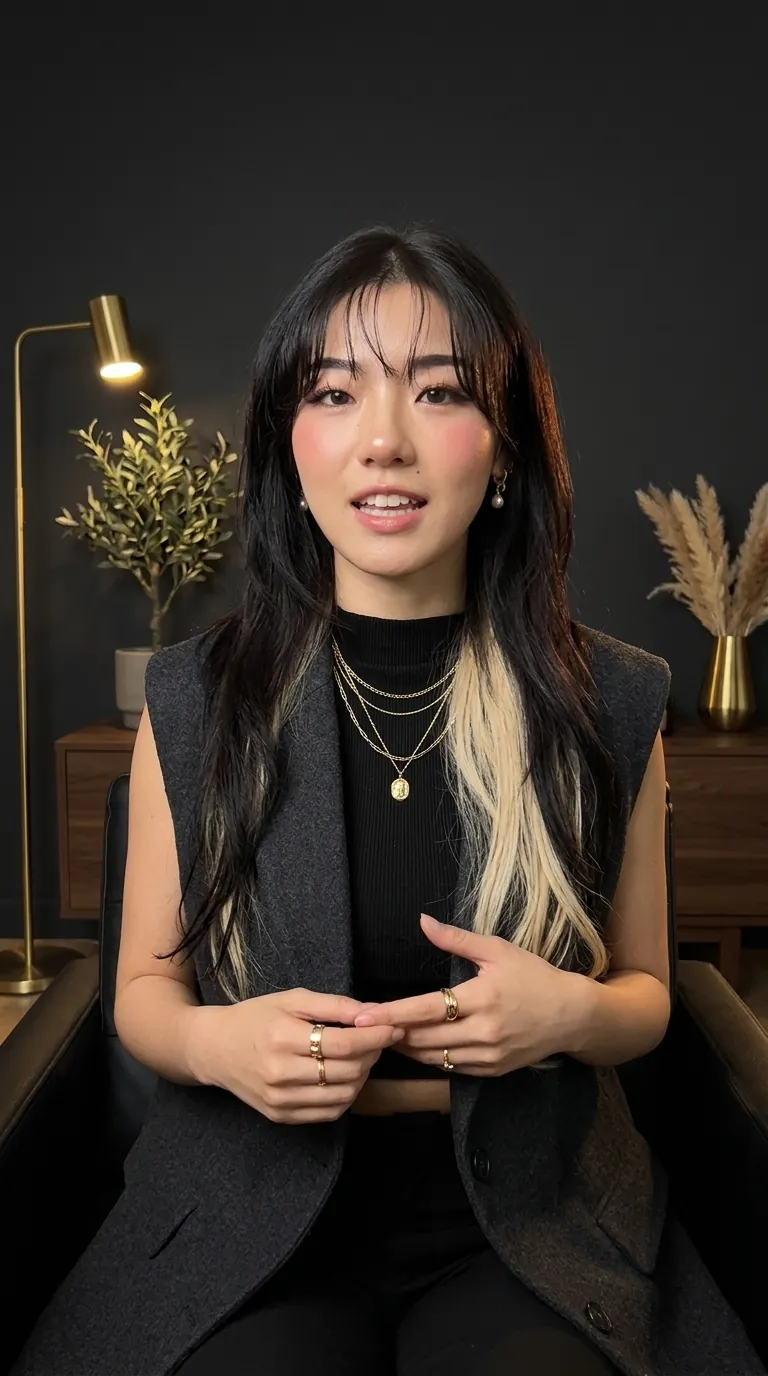
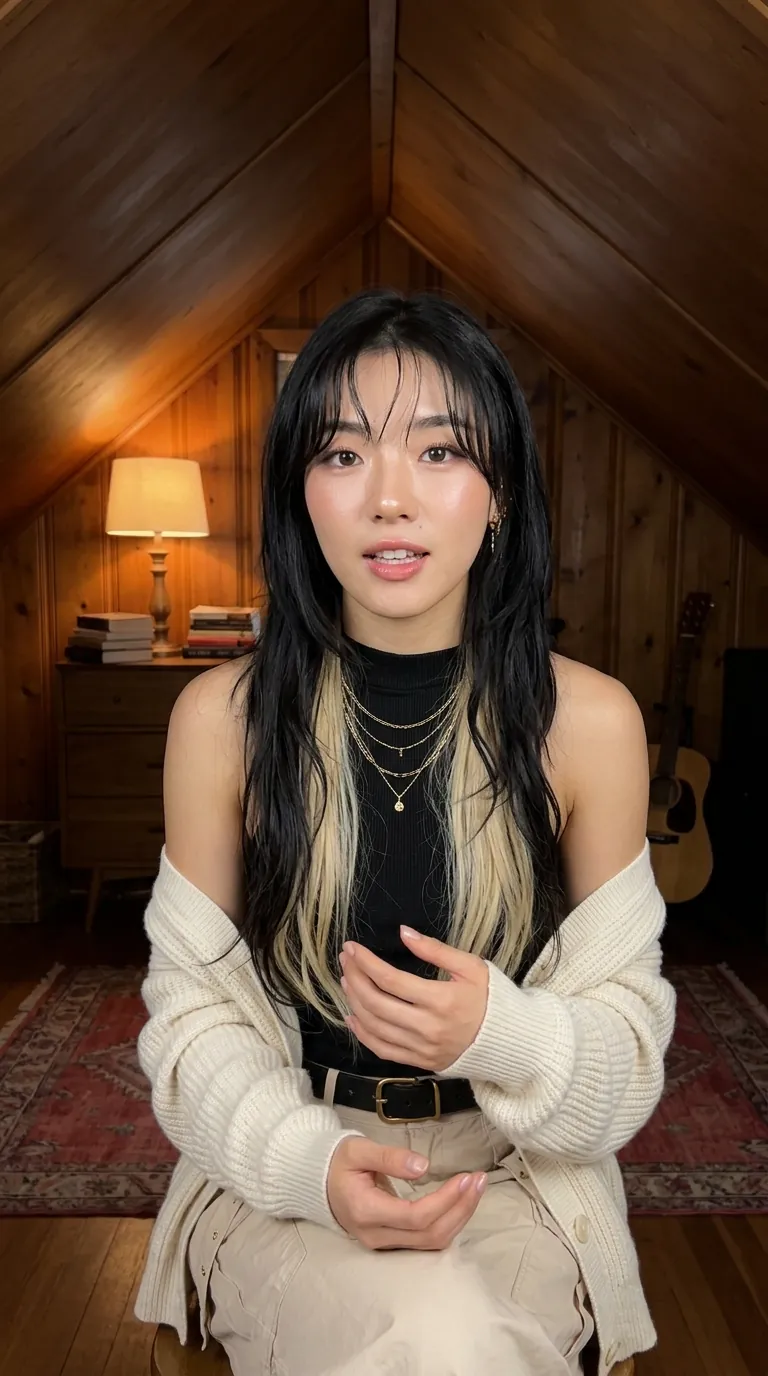
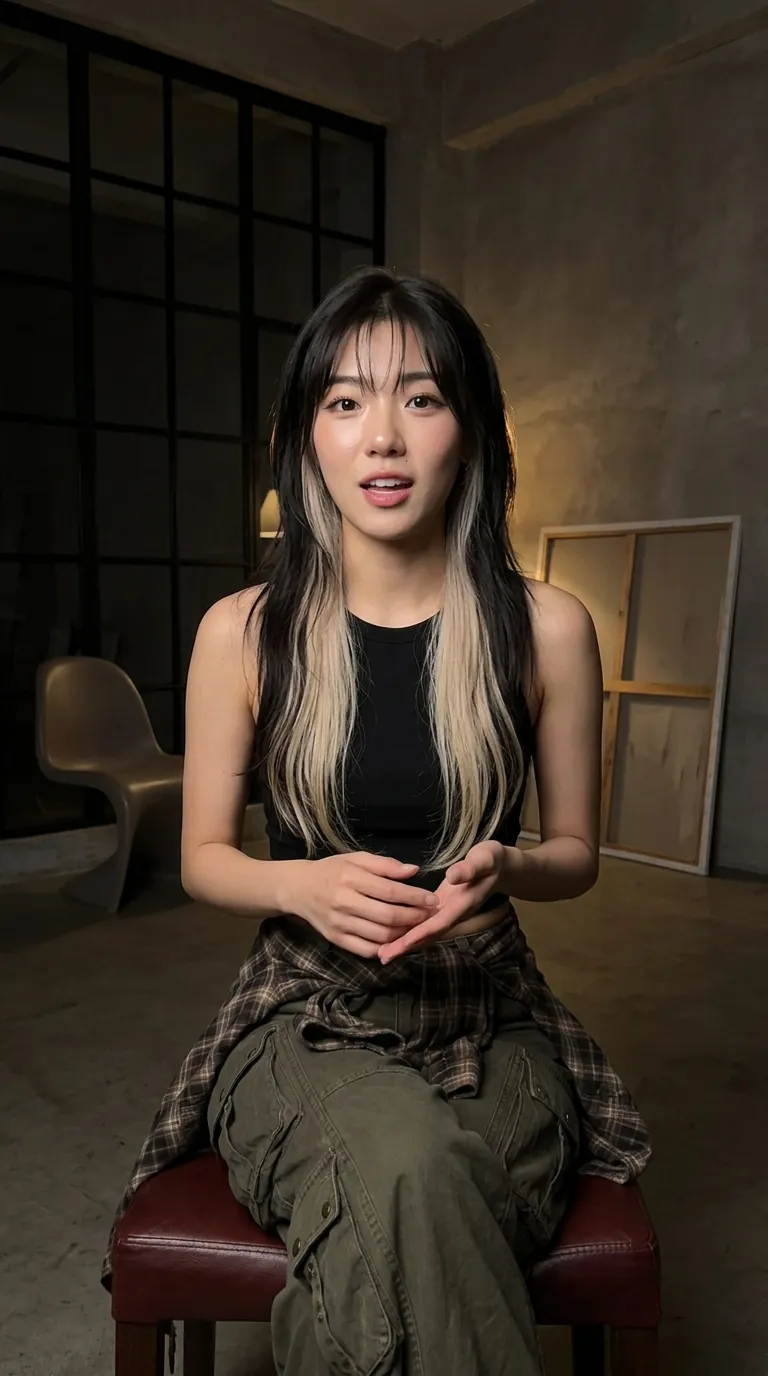
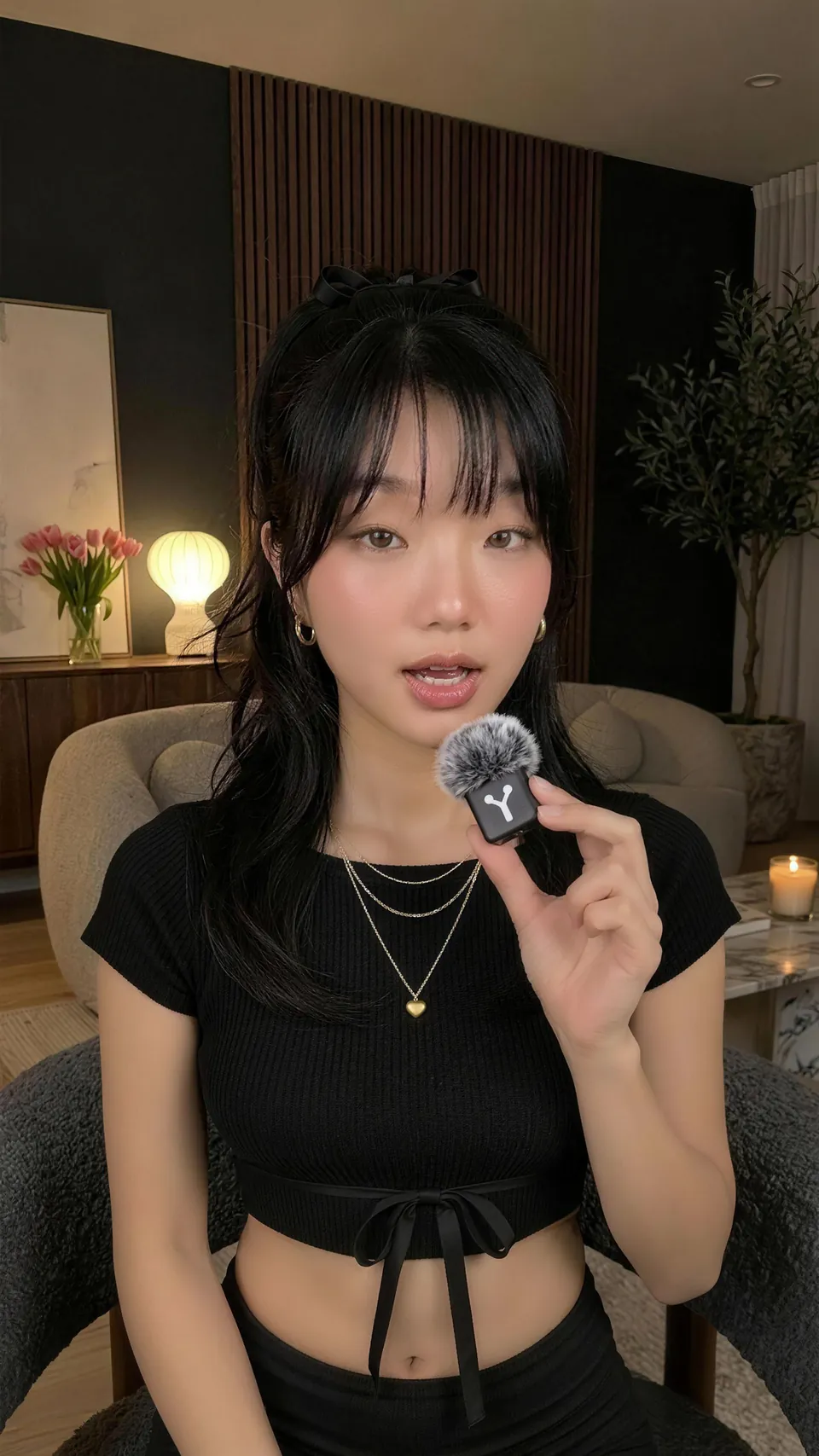
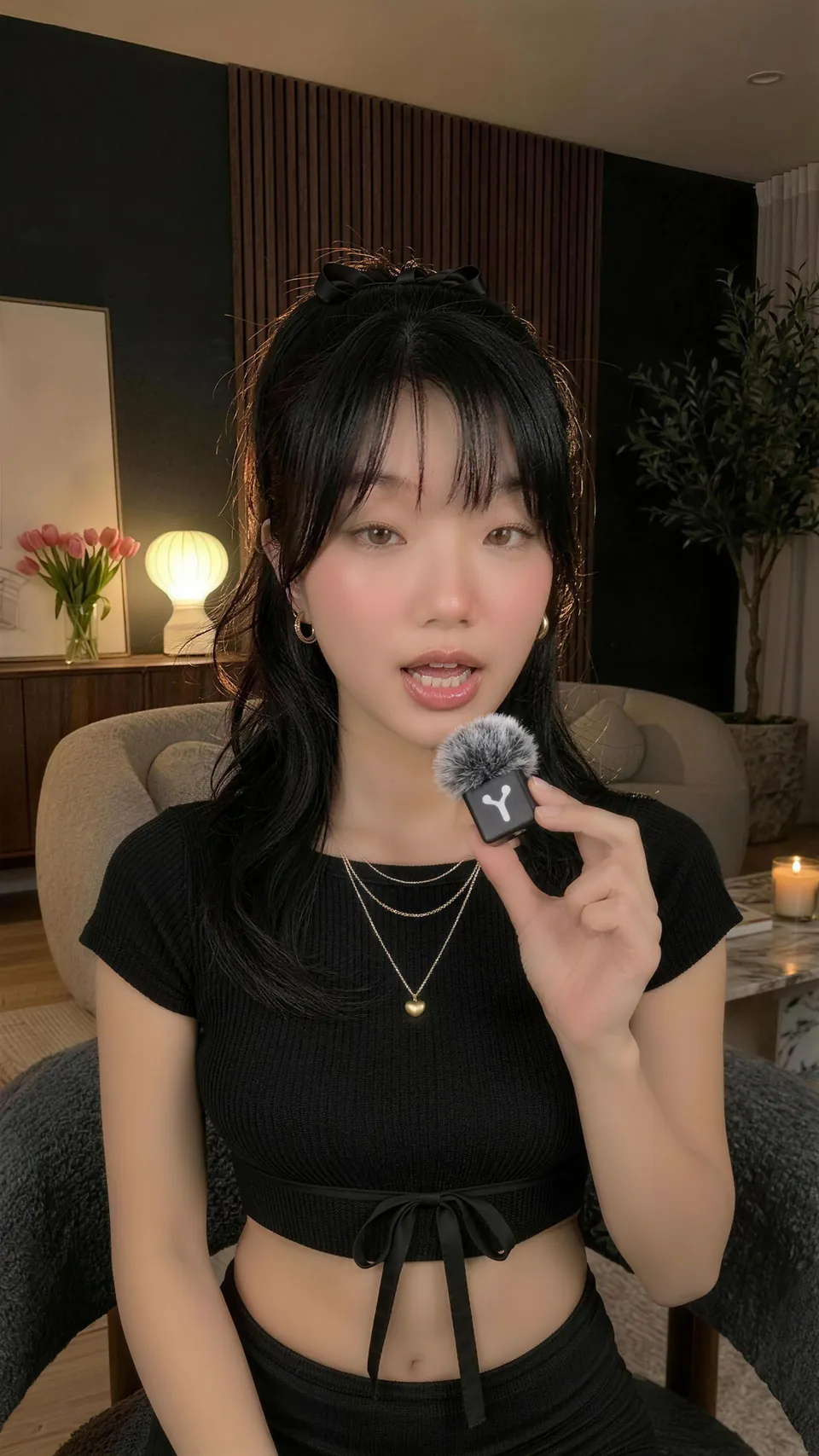
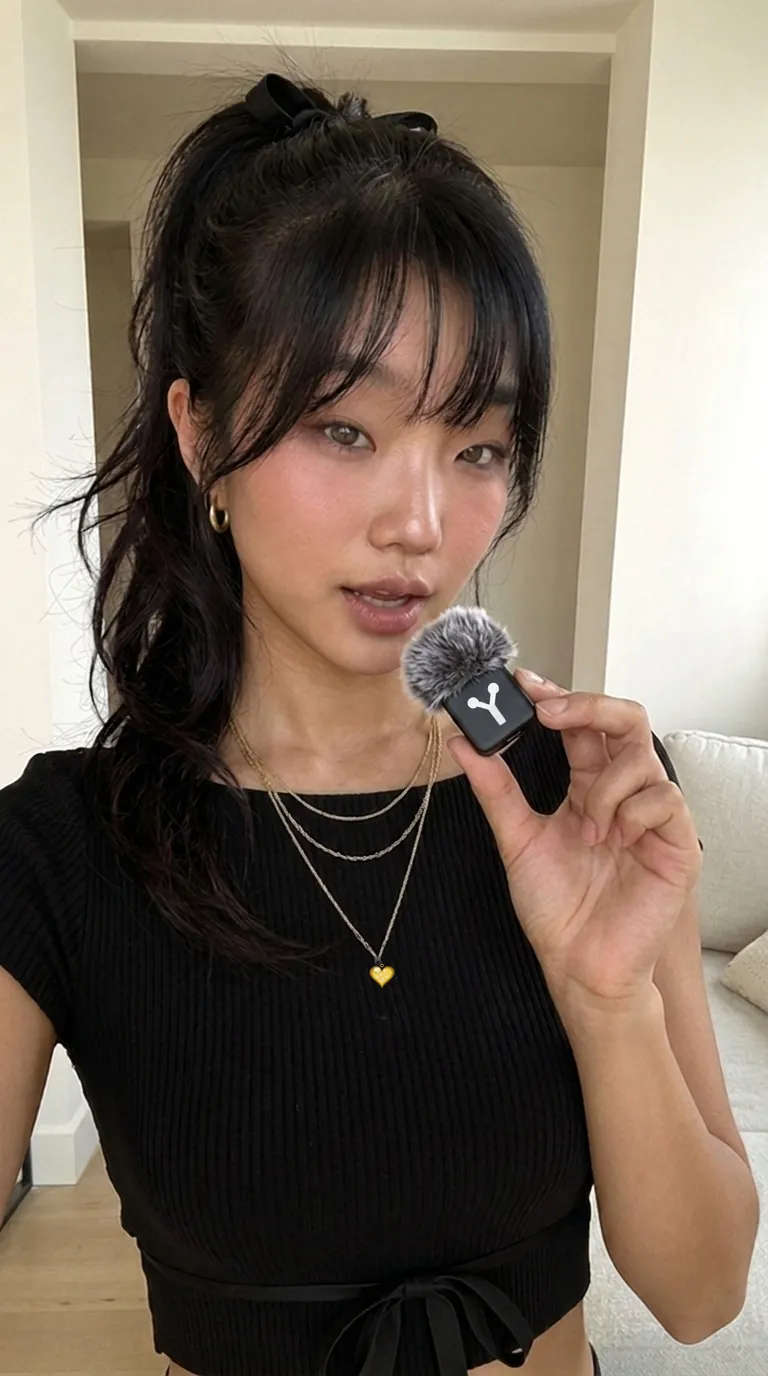
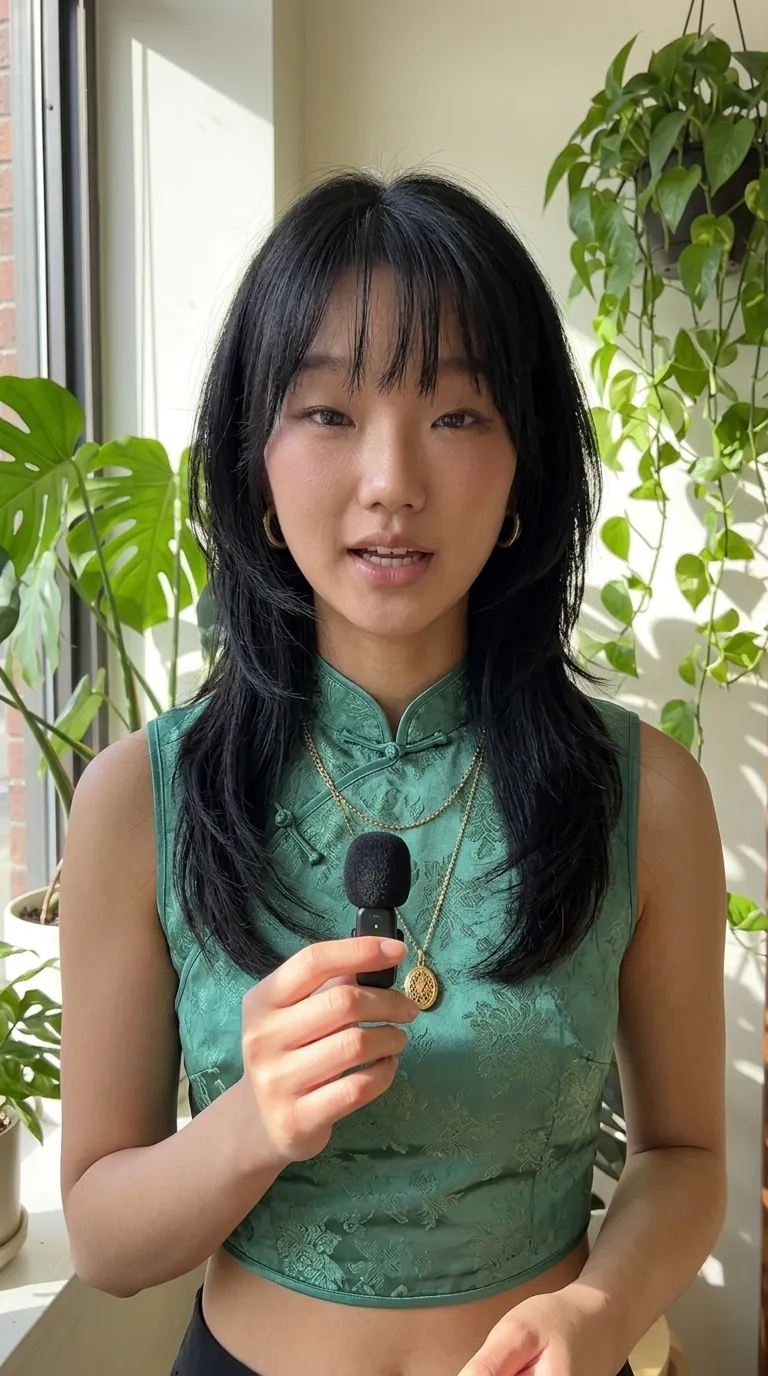
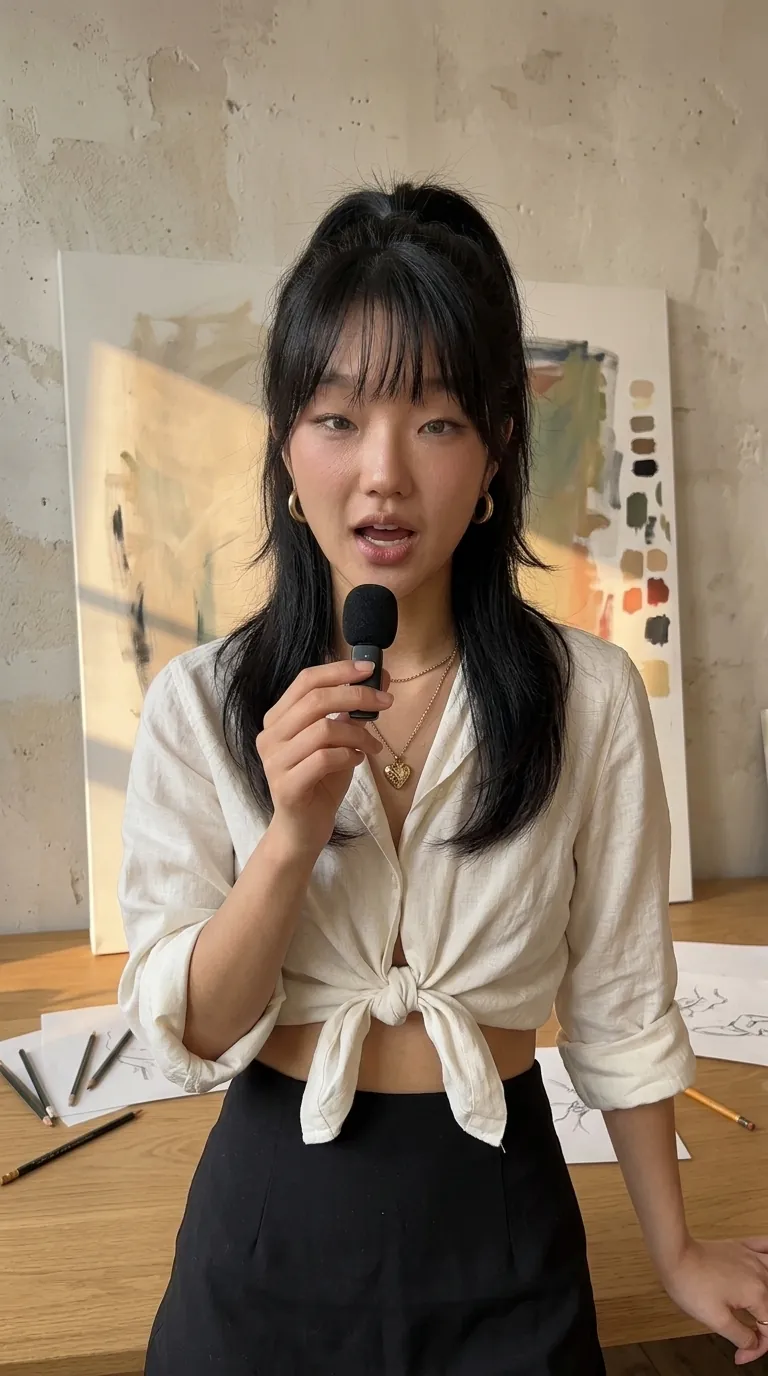
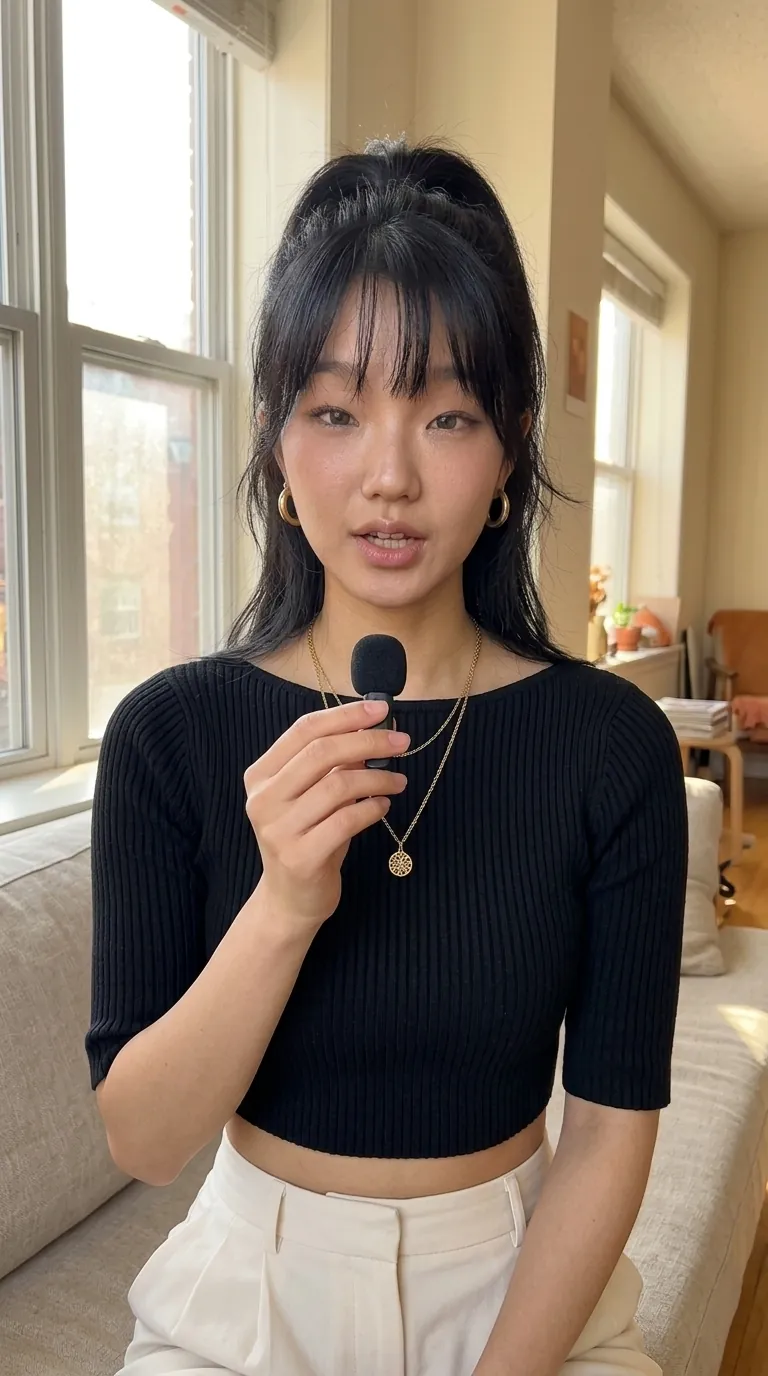
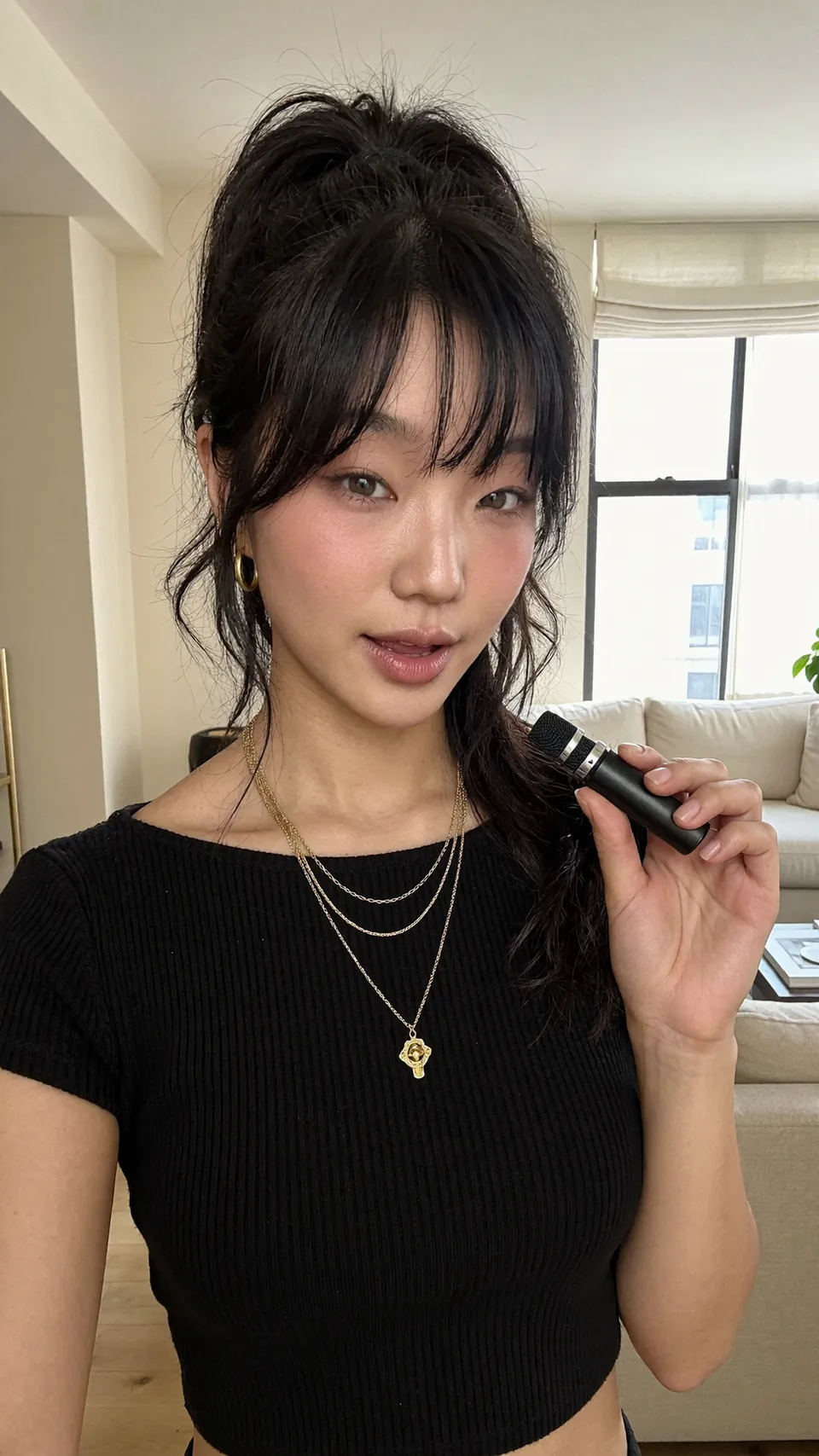
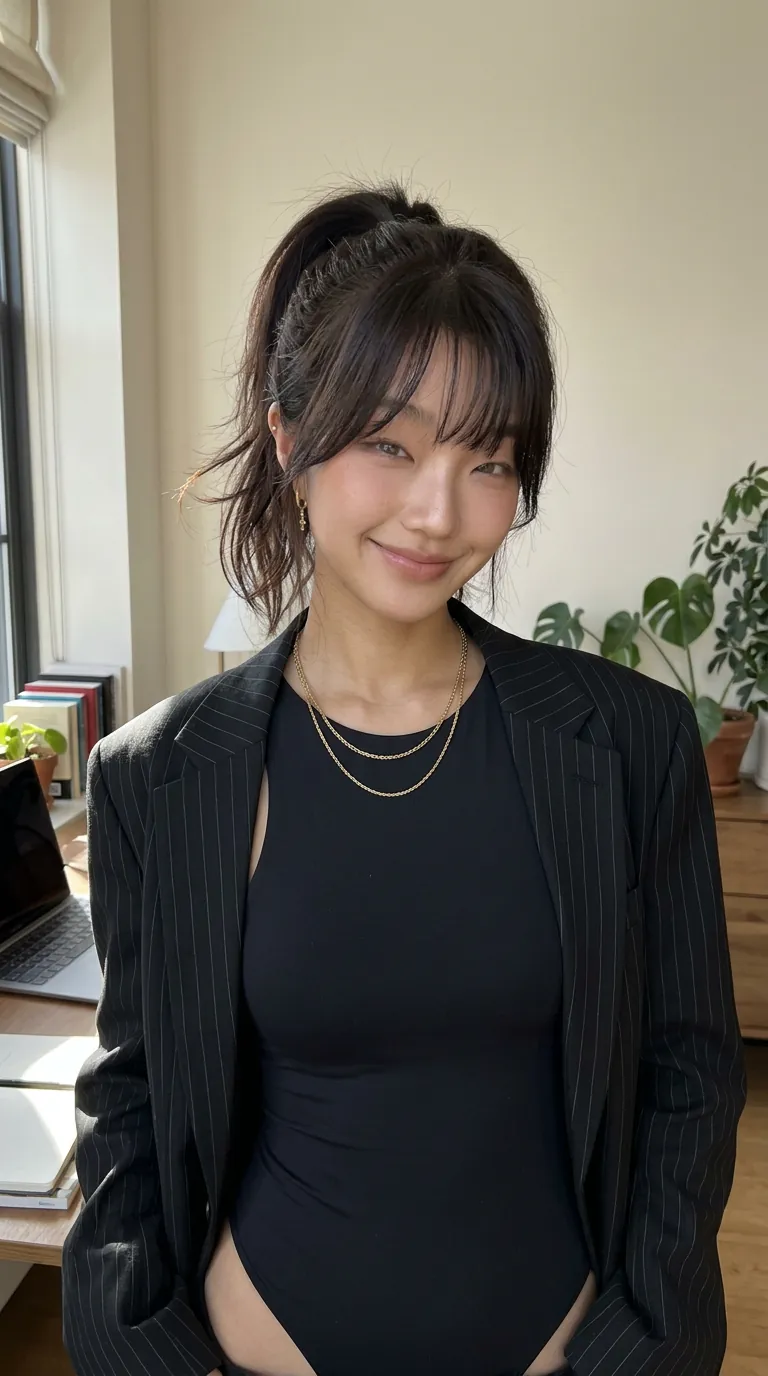
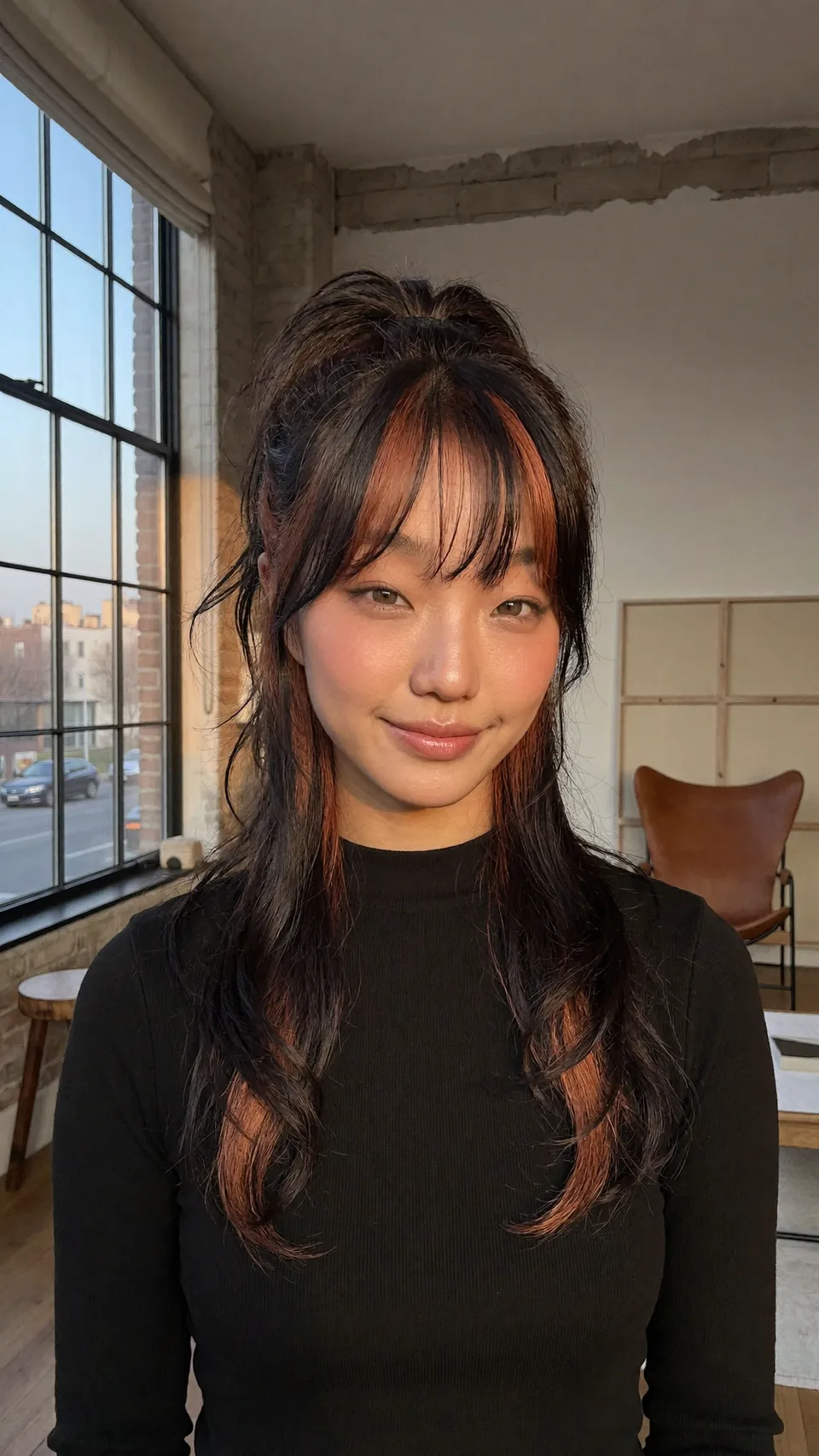
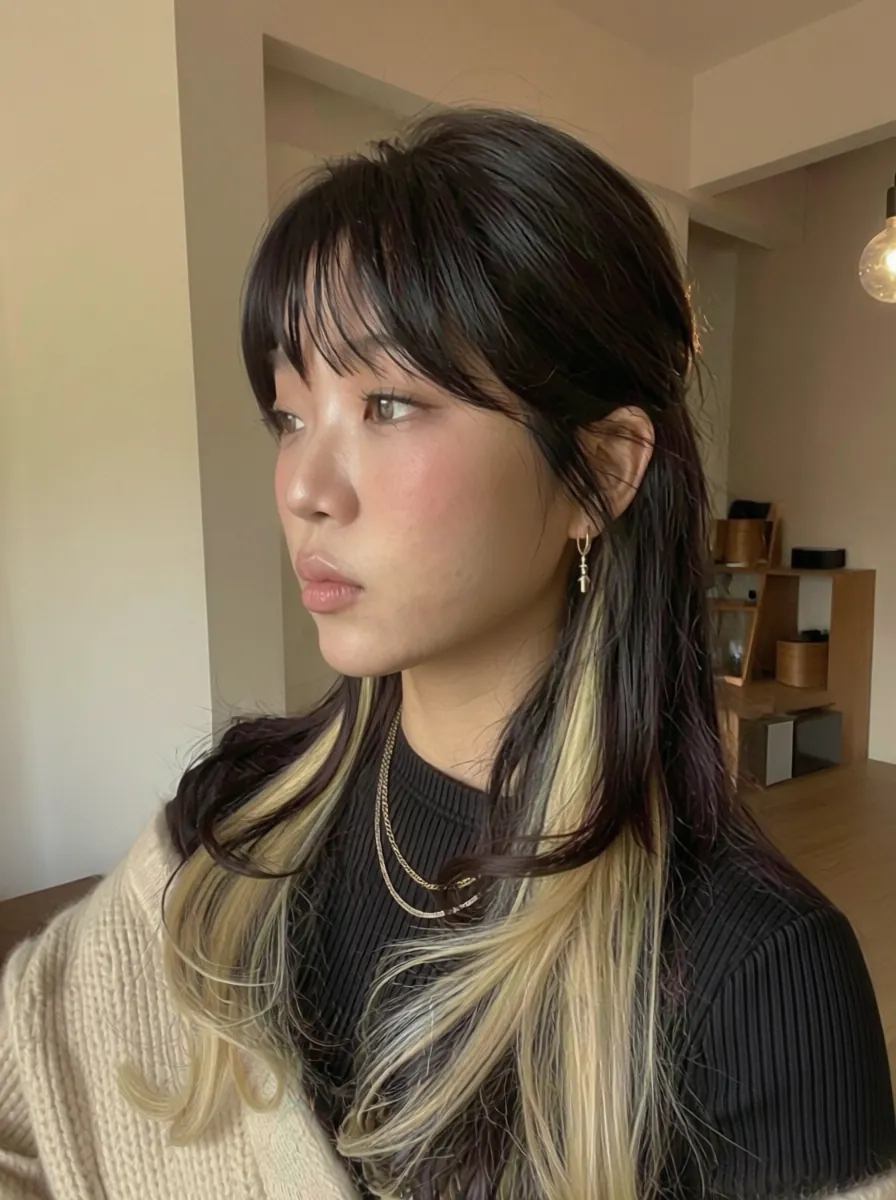
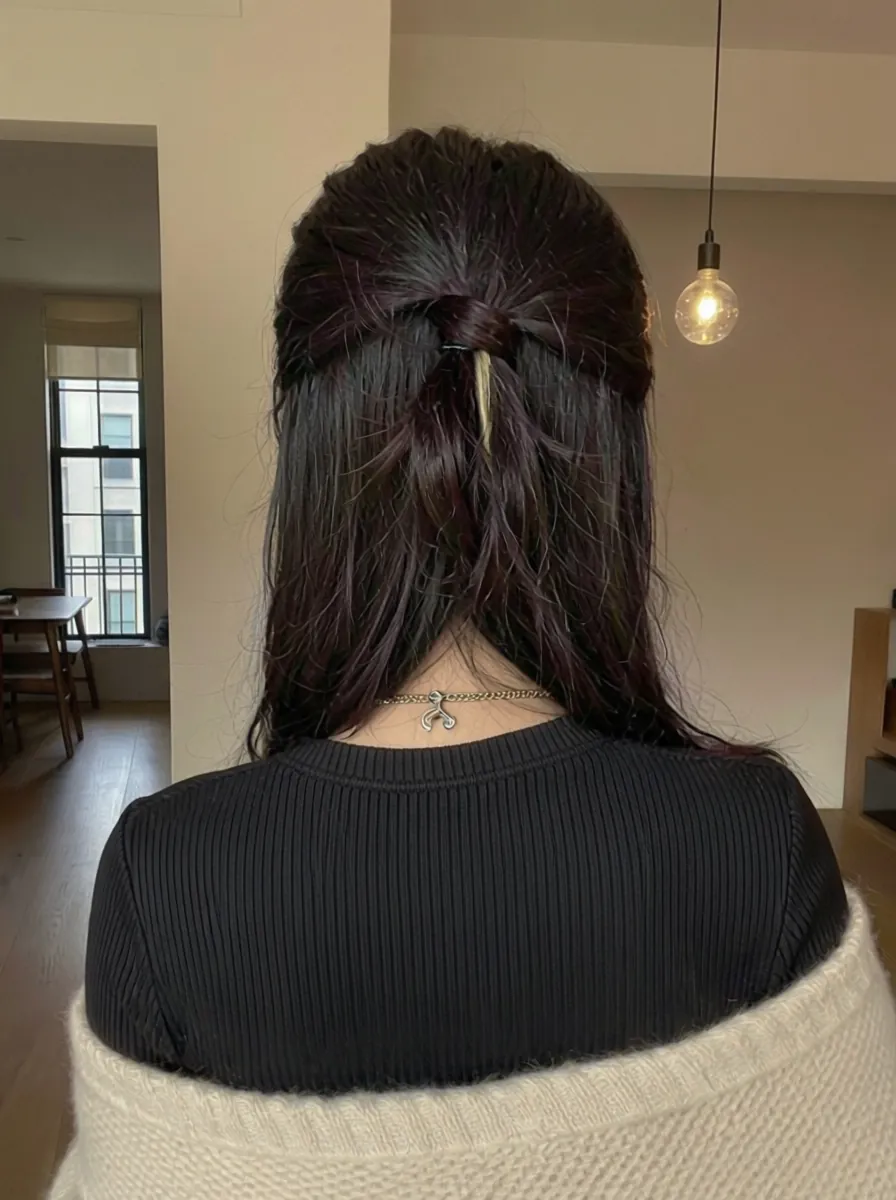
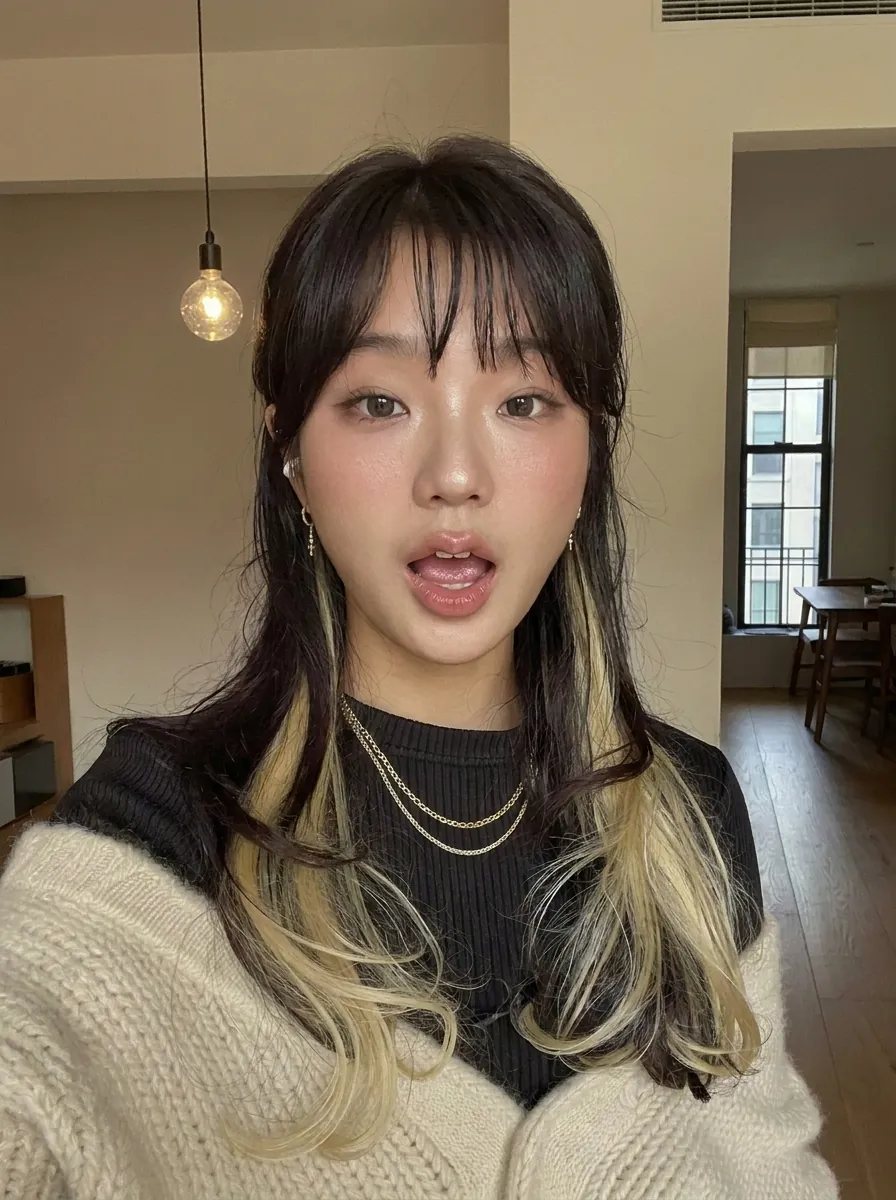
Mira is an AI-generated presenter, not a real person. Every picture of her was generated, then checked against her approved face before it was used. These are her looks, her expressions and the sets she talks in.
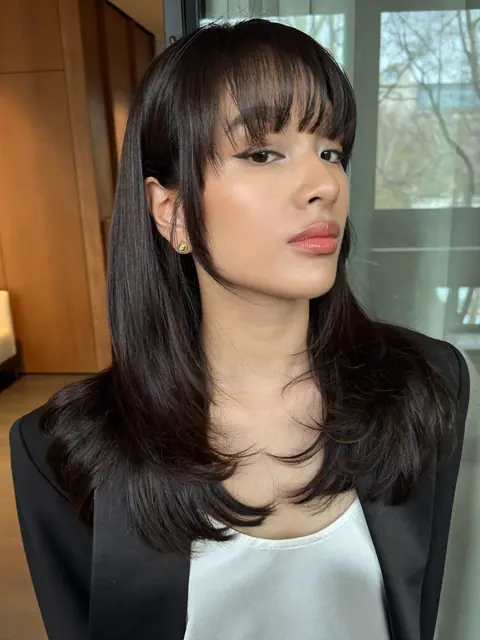
She began on the evening of May 22 as candidate number 7 of a weekend of Soul portraits. That one picture is still the ground truth: every new image of her is measured against it.
In July she got a written canon: the face, black hair with a platinum underlayer, layered gold chains, the house mic with its Y mark. Then a wardrobe: fashion looks shot in four views each, 28 named expressions, idol poses, and a look system of 18 rooms and 12 lights. Tap any picture to see it large; fashion looks open with all four views.
Since October 25 she is also a gallery: seven approved talk takes, each checked for face match and framing, that any new script is lip-synced onto. A new Reel starts with one picture of the takes, and I pick her by eye.
Before Mira: One Weekend of Casting
On May 22 and 23 the Soul model produced 47 portraits from a few written descriptions, and the face kept changing. Candidate number 7 became Mira. Here are sixteen of them.















How a New Mira Is Made
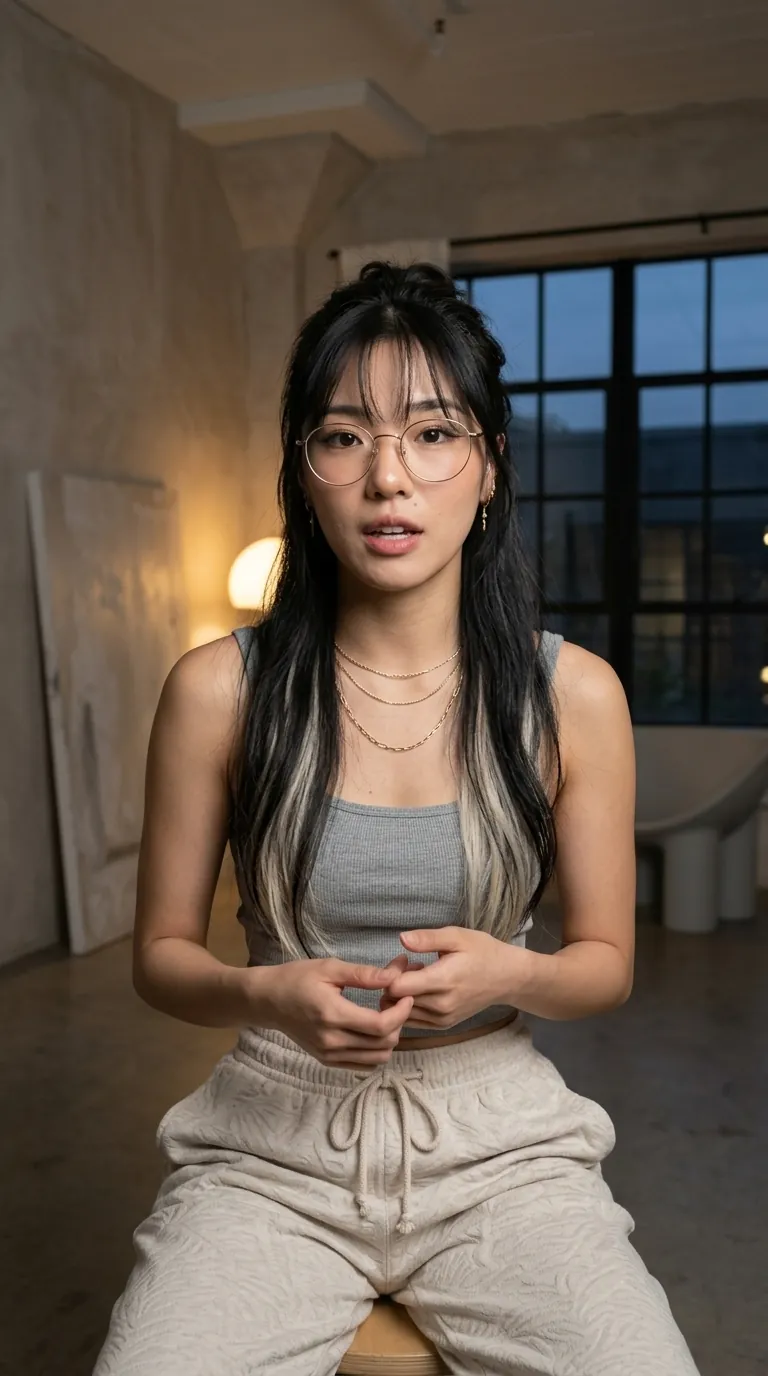
On October 25 Mira put down the mic and got new clothes. Outfits written in words came out plain, so my own outfit sheet went in as a picture beside her anchor face. Each fix below is now a rule.
A Picture, Not Words
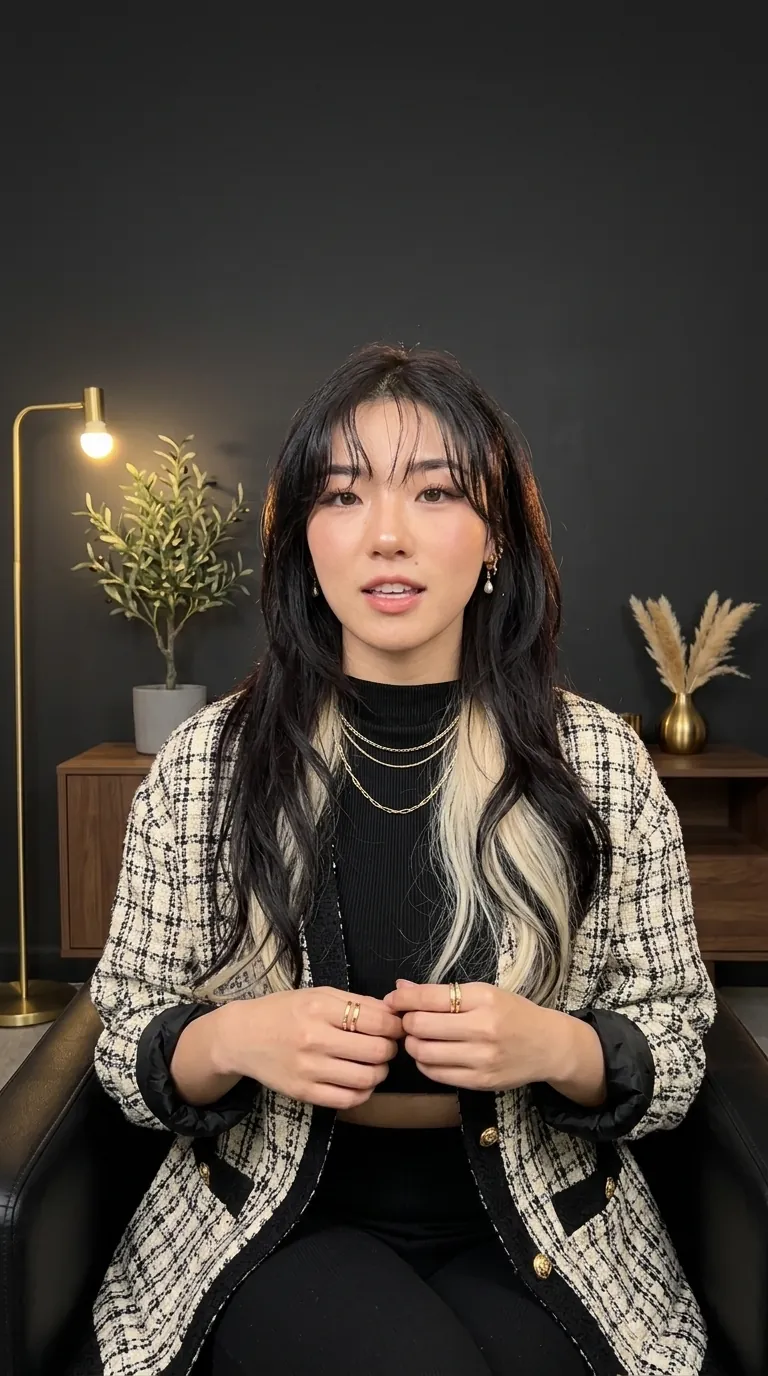

Written outfits came out plain: a checked print, covered arms. My sheet's outfit, given as a picture, was copied on the first try.
Cut the Outfit at the Neck

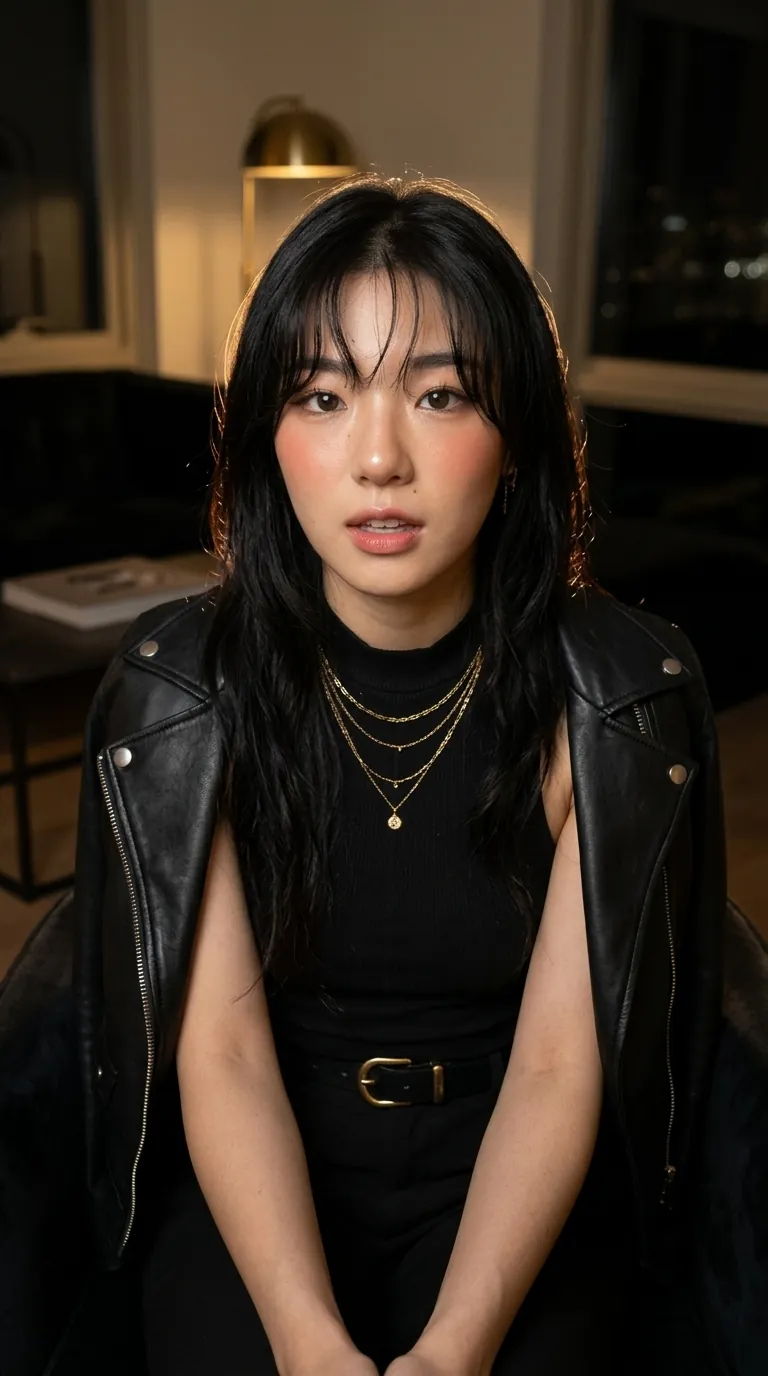
A face inside the outfit picture leaked into hers. Cut below the chin, her face held.
Cream Needs a Black Layer
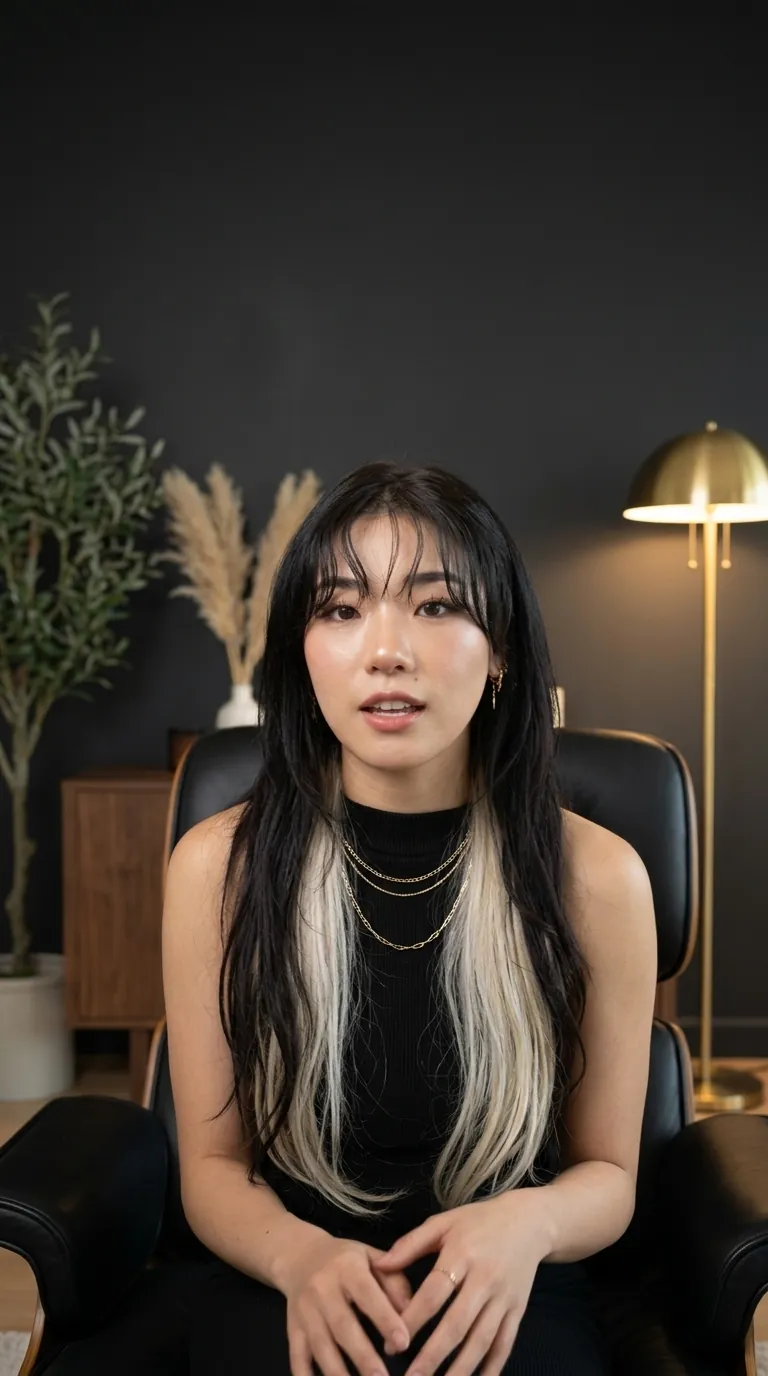
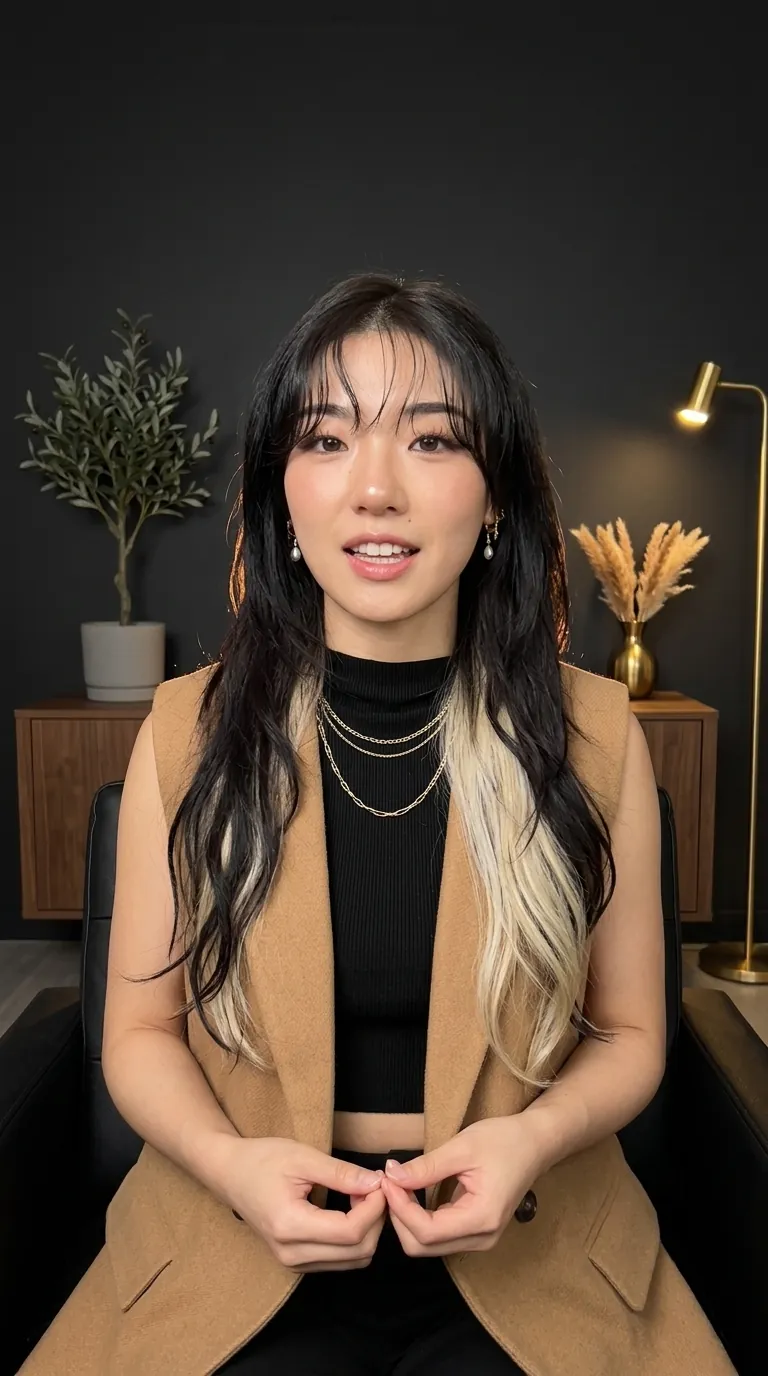
With her black-clad anchor as the only picture, a cream vest came back black. A black top under a coloured vest held.
Never Outpaint Her
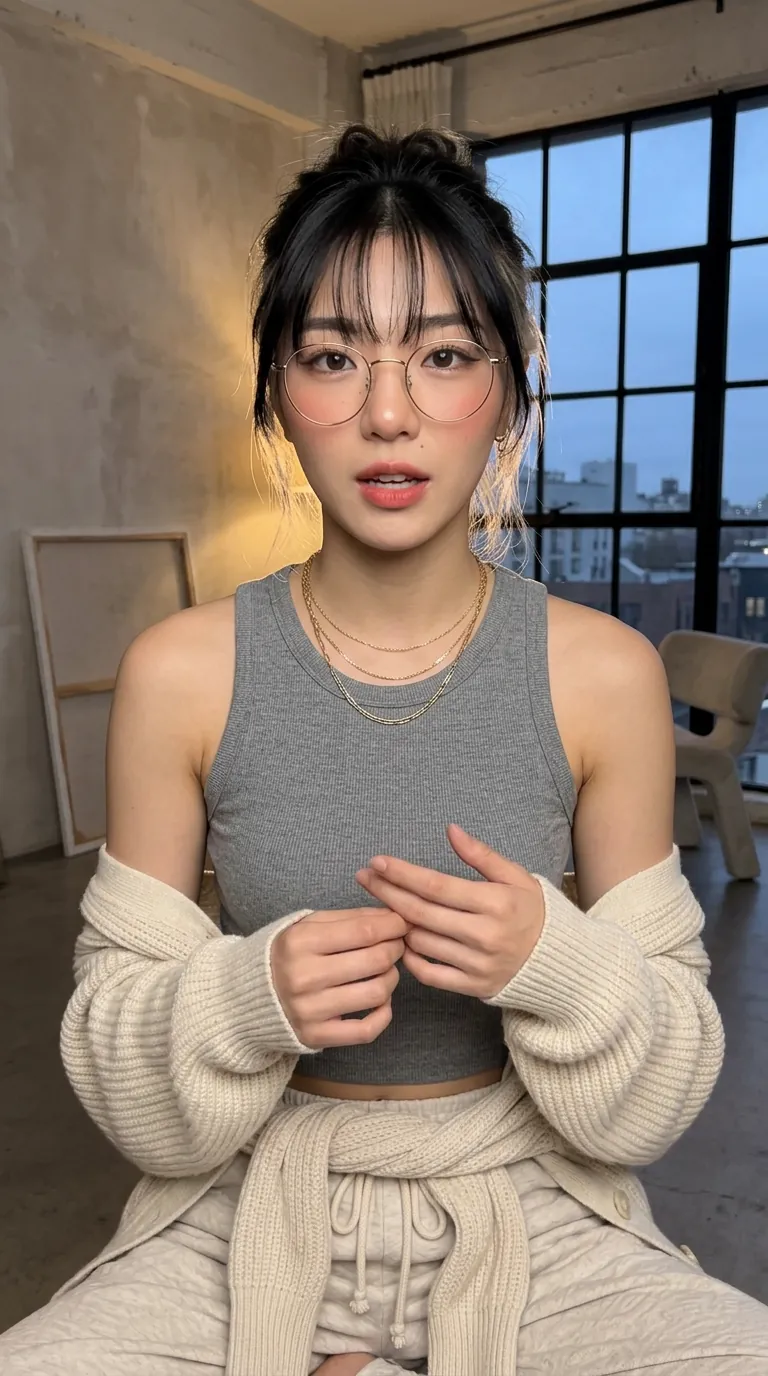
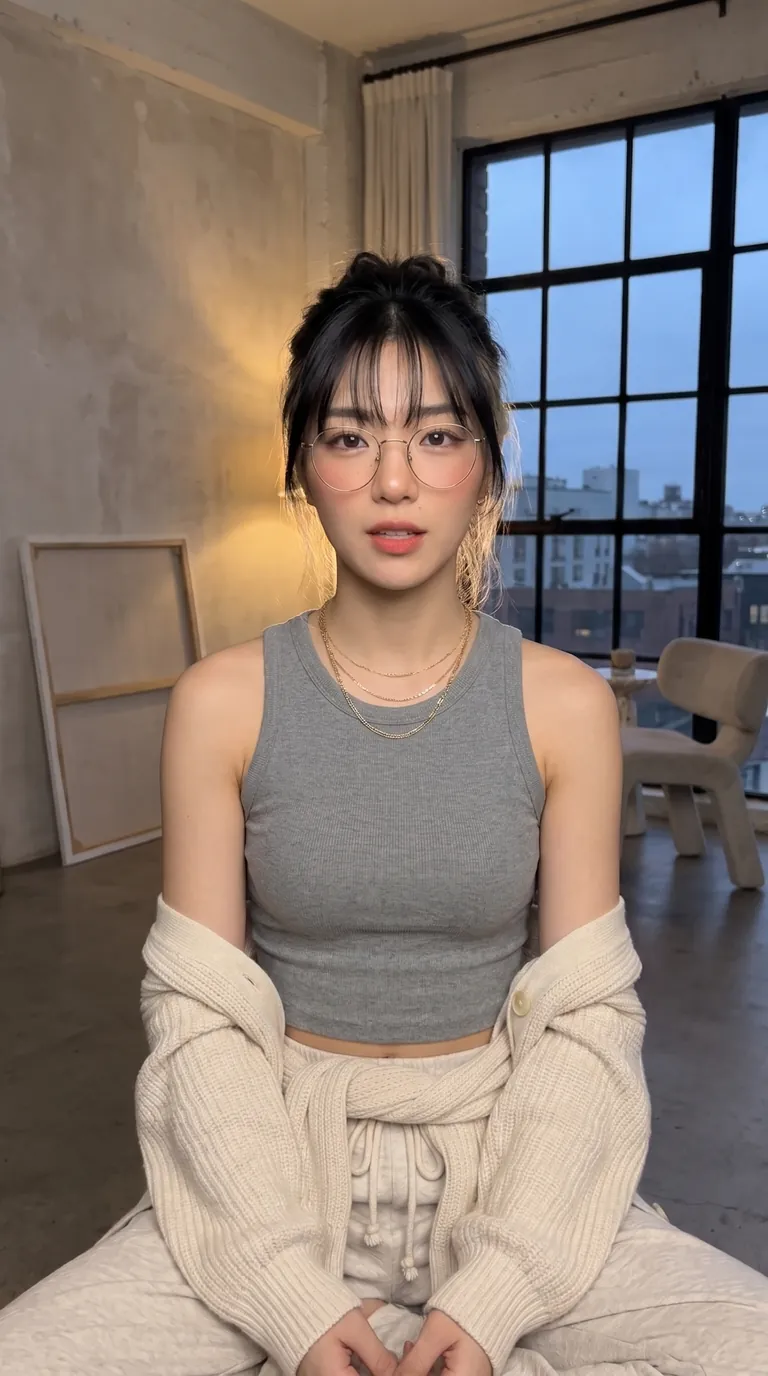
Widening a photo redrew all of it and smoothed her face. The fix: ask for the framing in the photo itself.
Framing Is Measured, Not Guessed
The video model pushes in on its own. Look K2's first take grew her face from a quarter of the frame to a third. The photo was remade with her head at a fifth of the frame and calm moods, and the framing held for all 11 seconds: that take is m05.
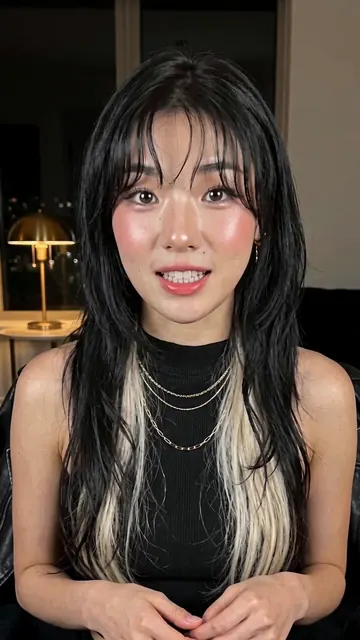
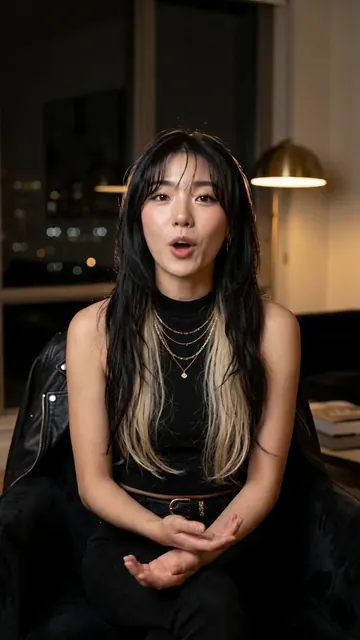
The Score Is a Check, My Eye Is the Verdict
Every photo and take is scored against her anchor face, and a take needs 0.50 to enter the gallery. Glasses cost the score, not the person: the best of these, 0.518, lost to an earlier photo at 0.496 because I liked her hair tied up, and m07's take entered on my eye with frames as low as 0.44.
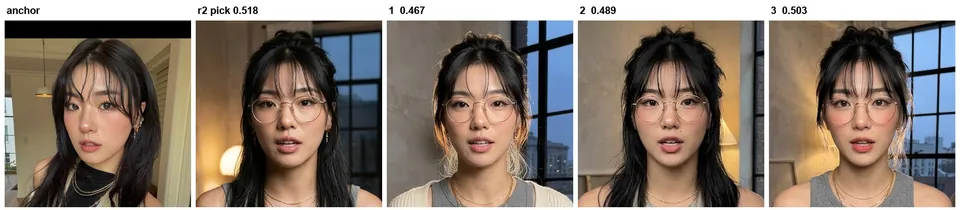
The glasses look, October 26: her anchor face, then four photos and their scores.
How a Reel Picks Its Mira
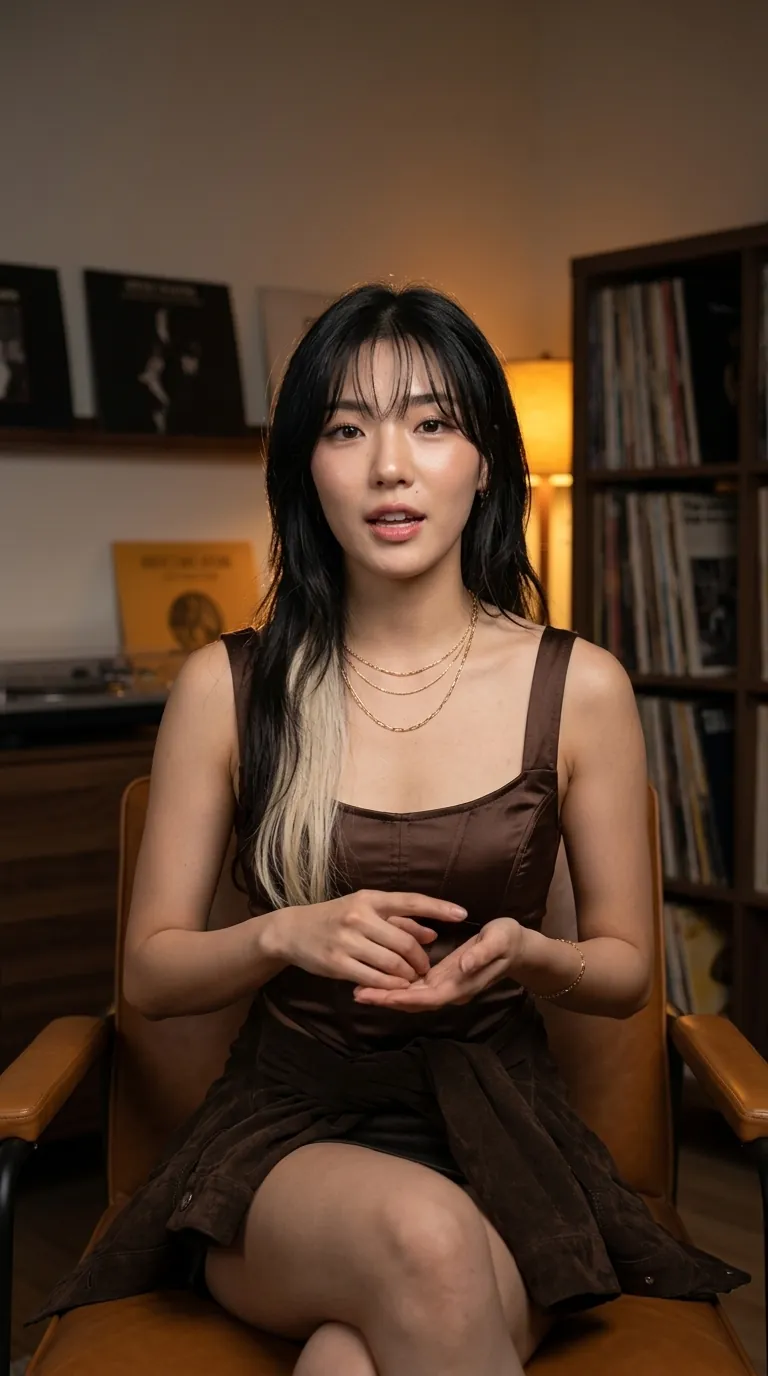
One picture of the gallery takes with the size of her face in each frame. I choose by eye; the face check and the framing rule were already passed when the take entered the gallery.
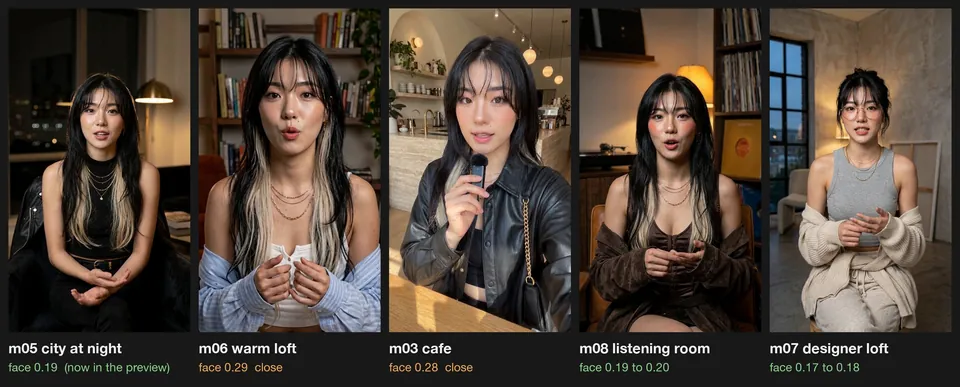
The choice for worst-case, October 28: m06 won.
The Gallery

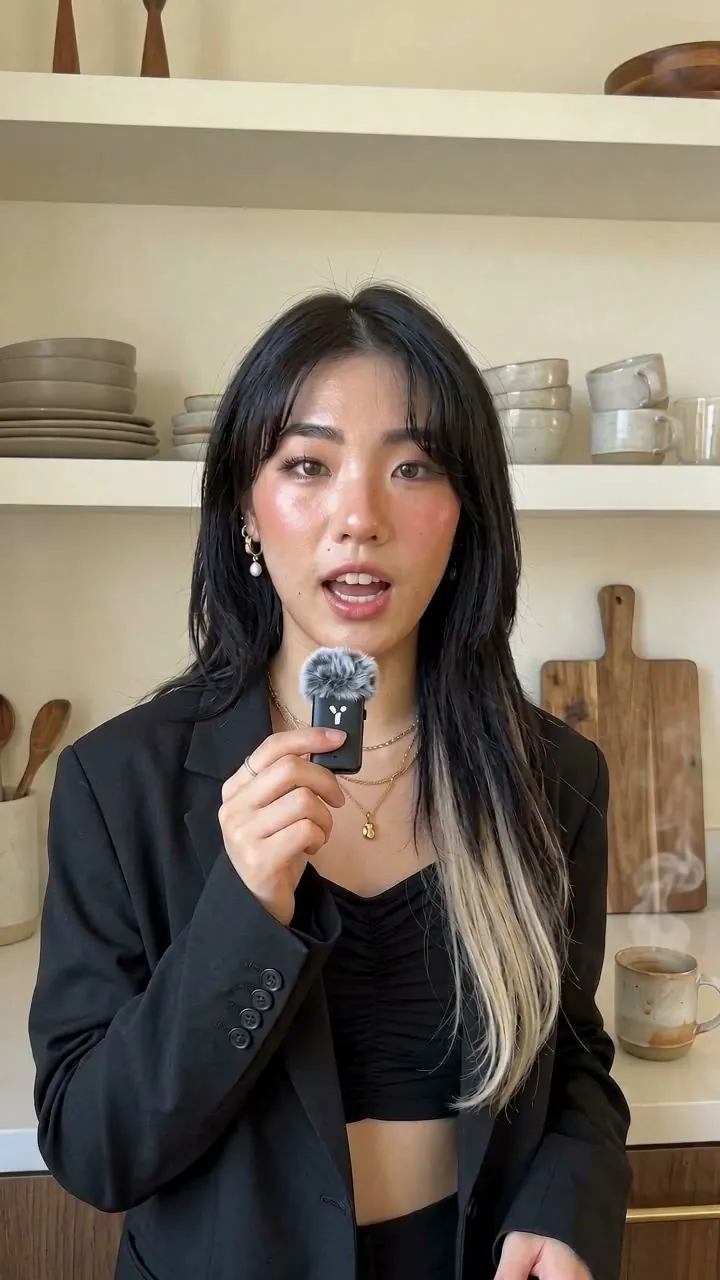
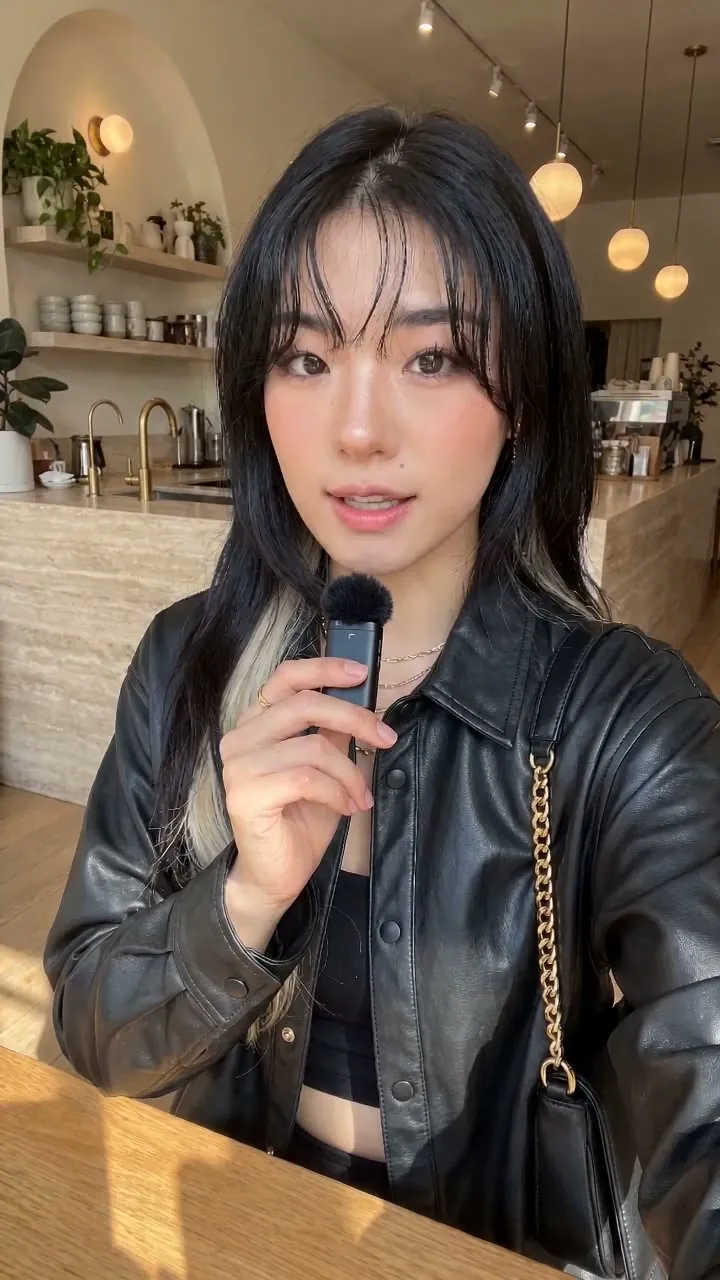


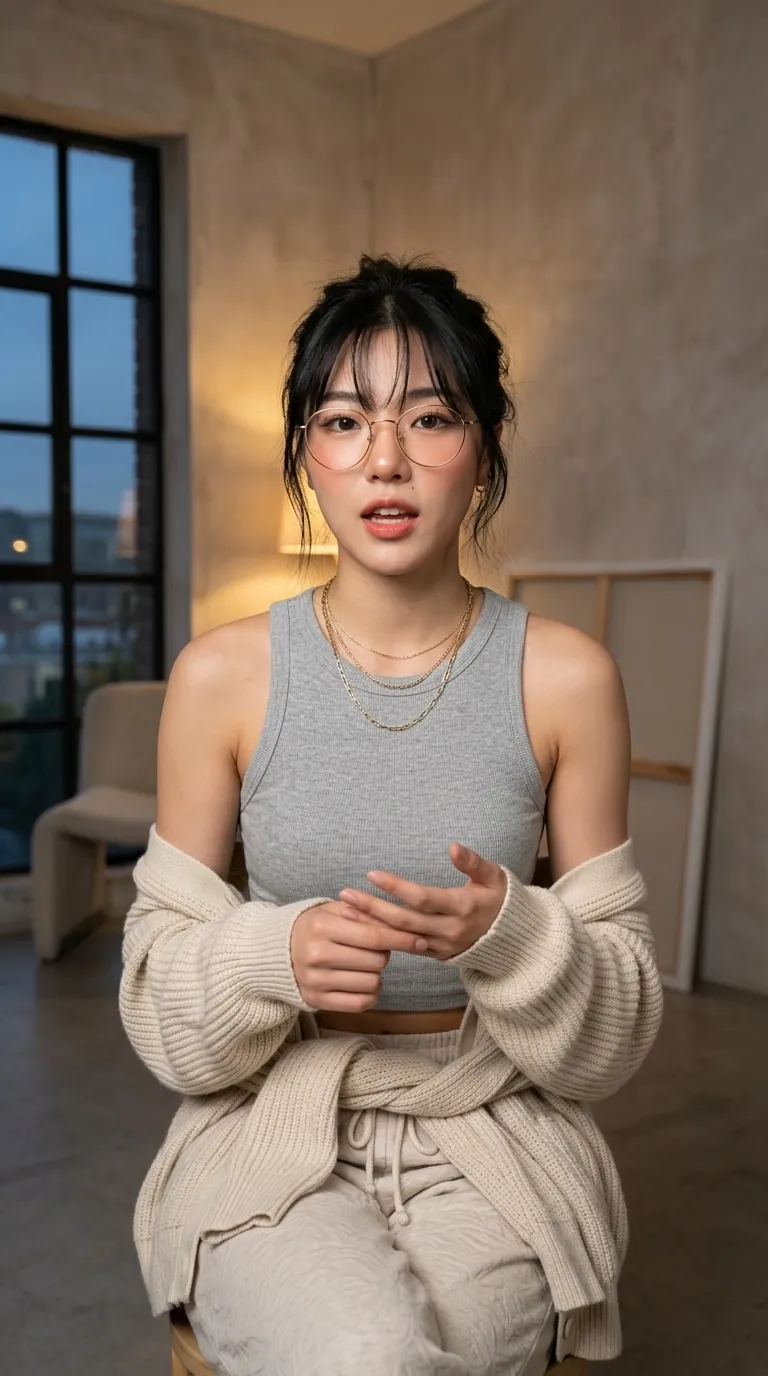
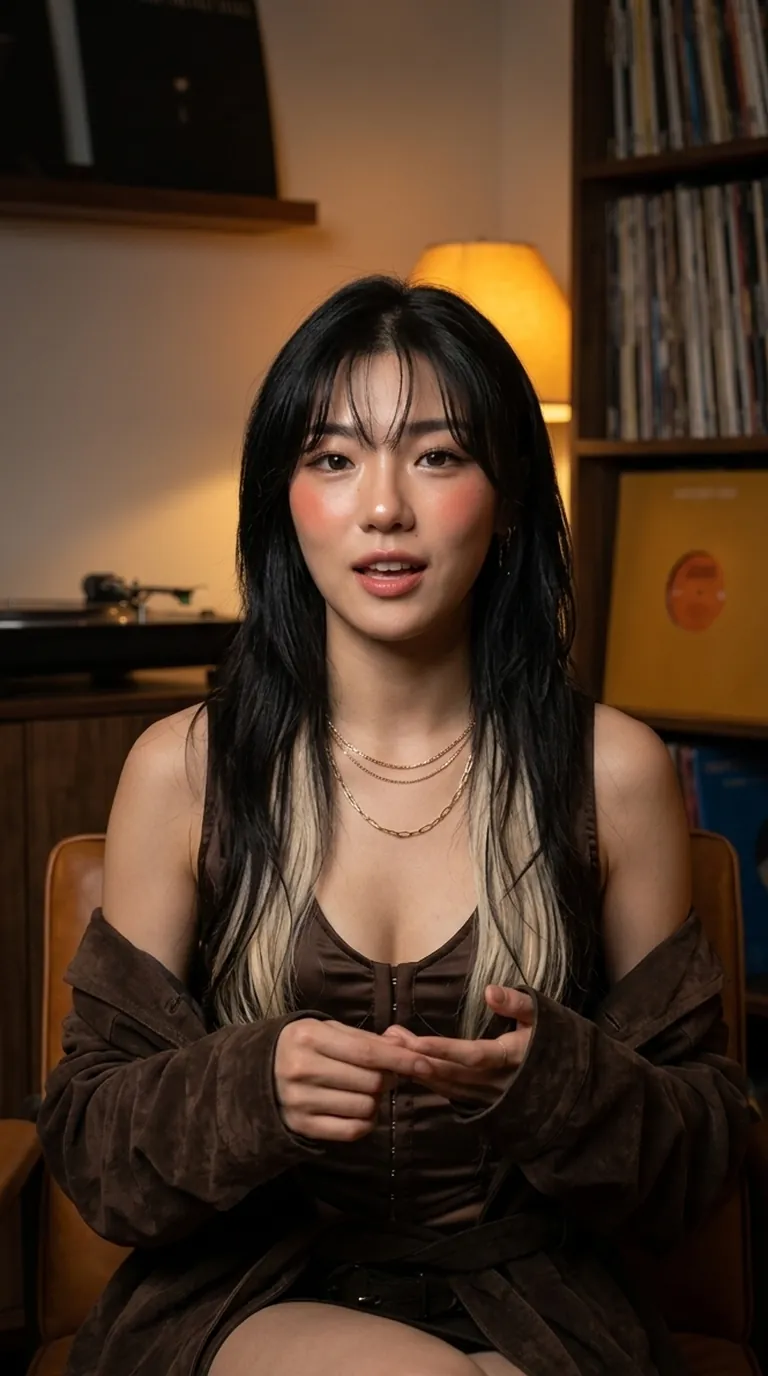


 4 views
 4 views
 4 views
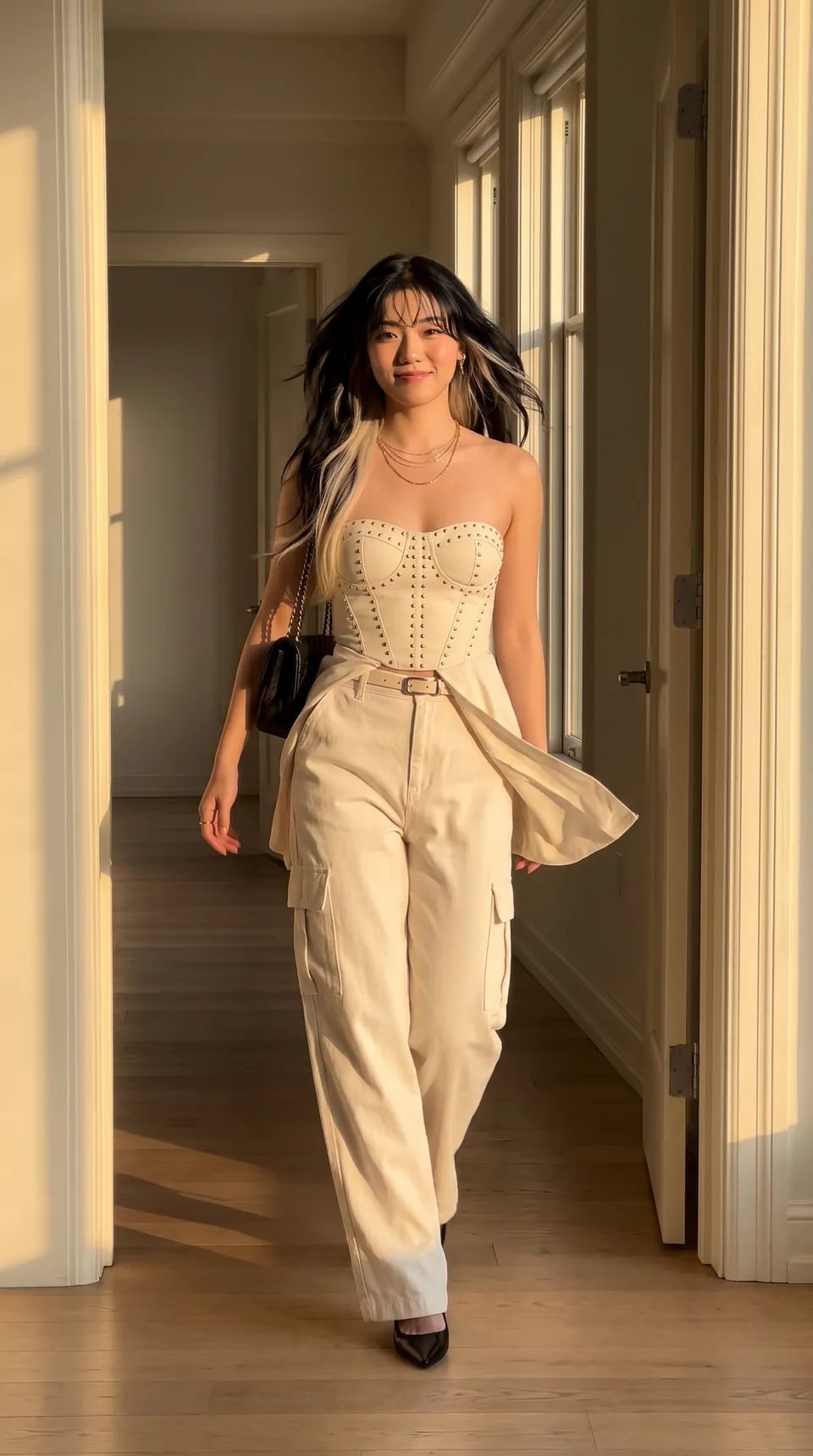 4 views
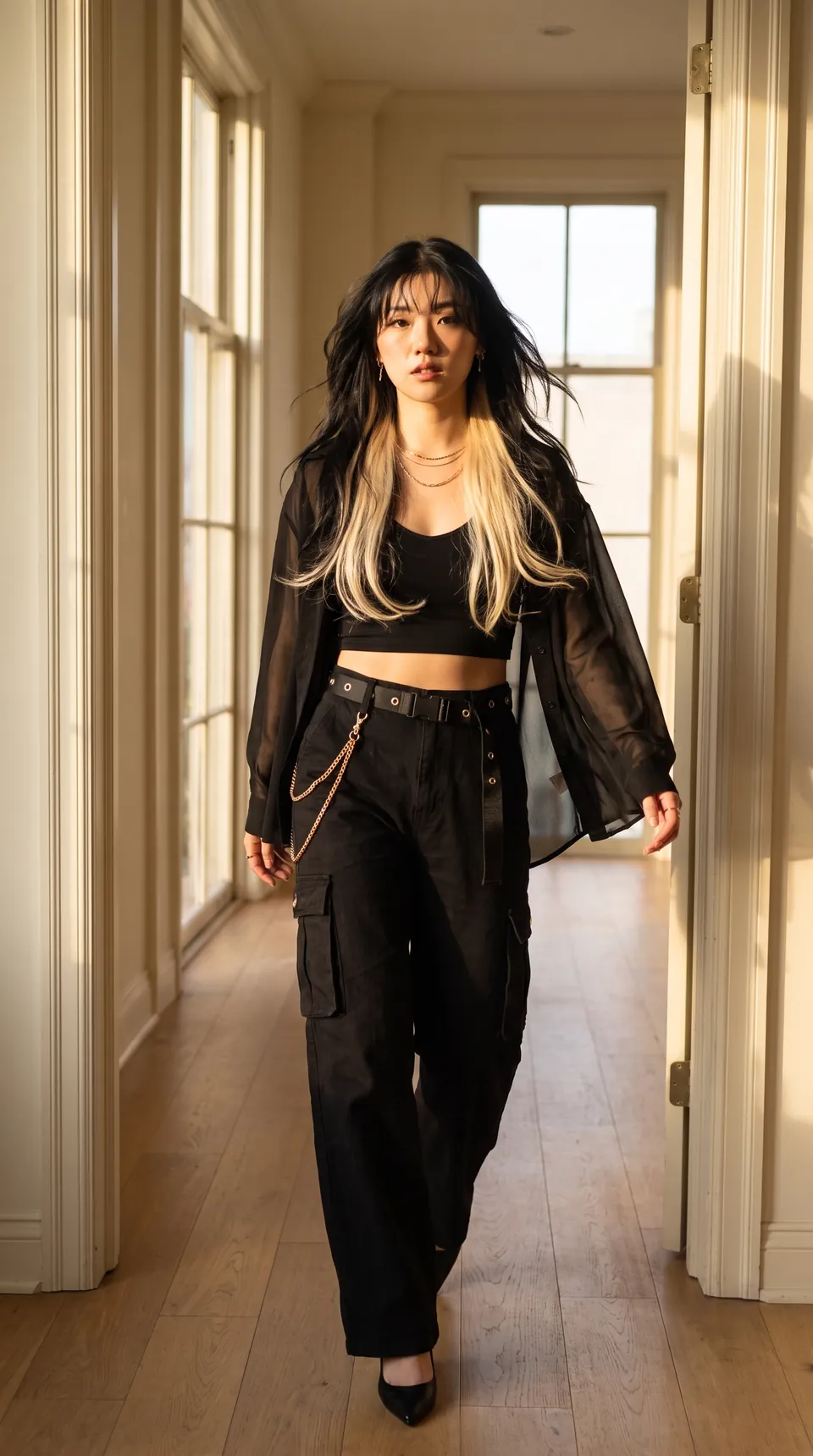 4 views
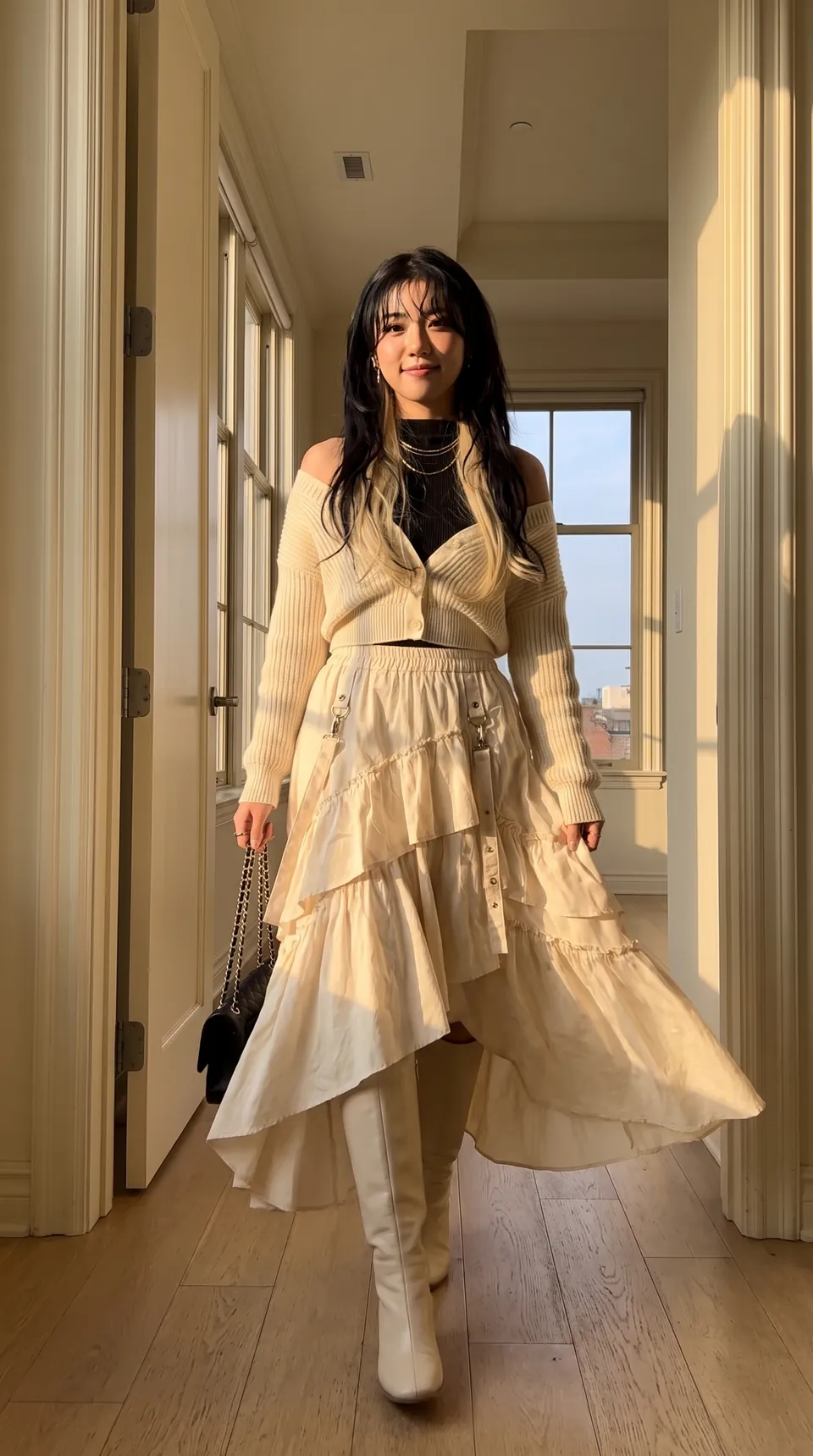 4 views
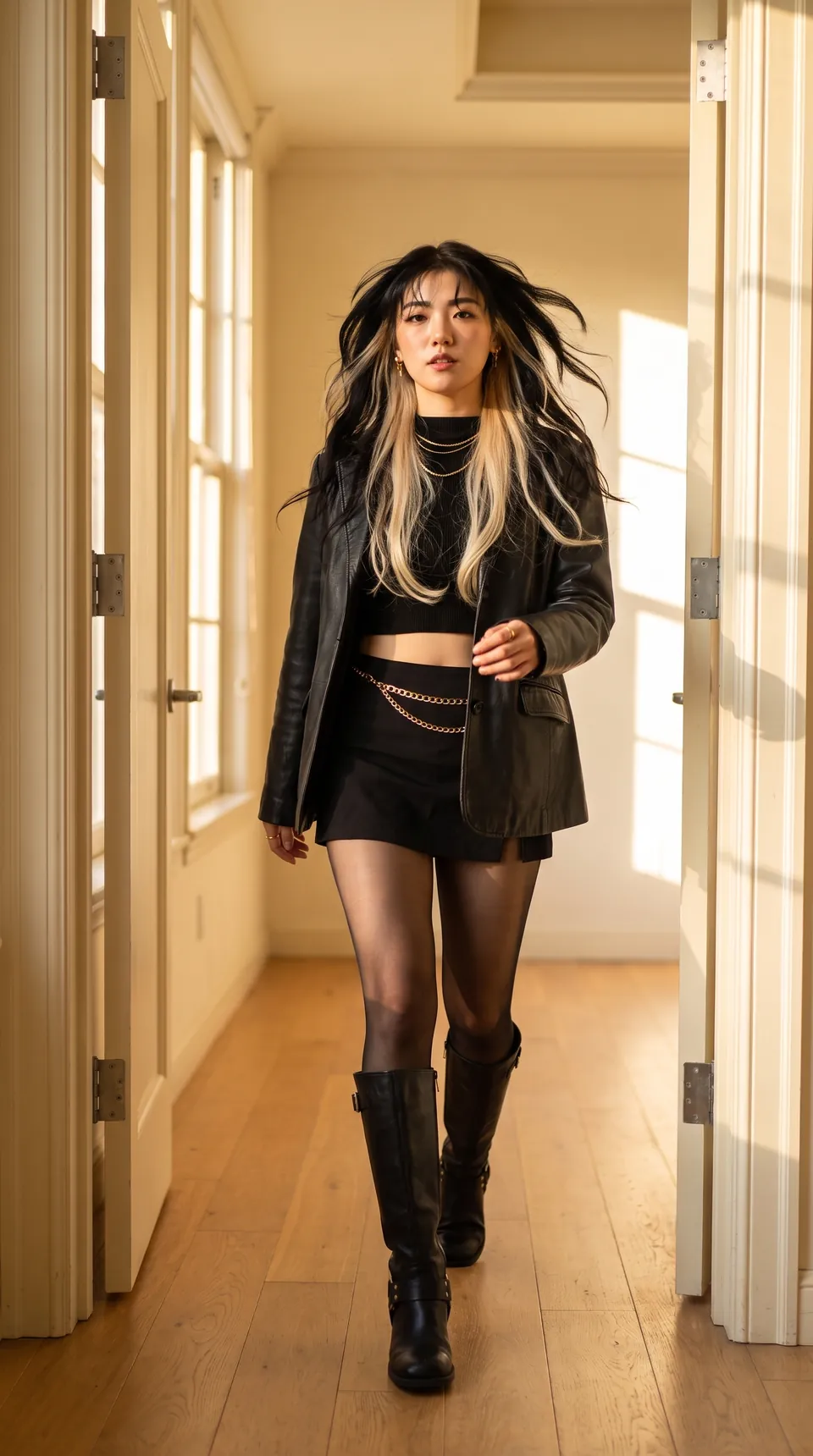 4 views
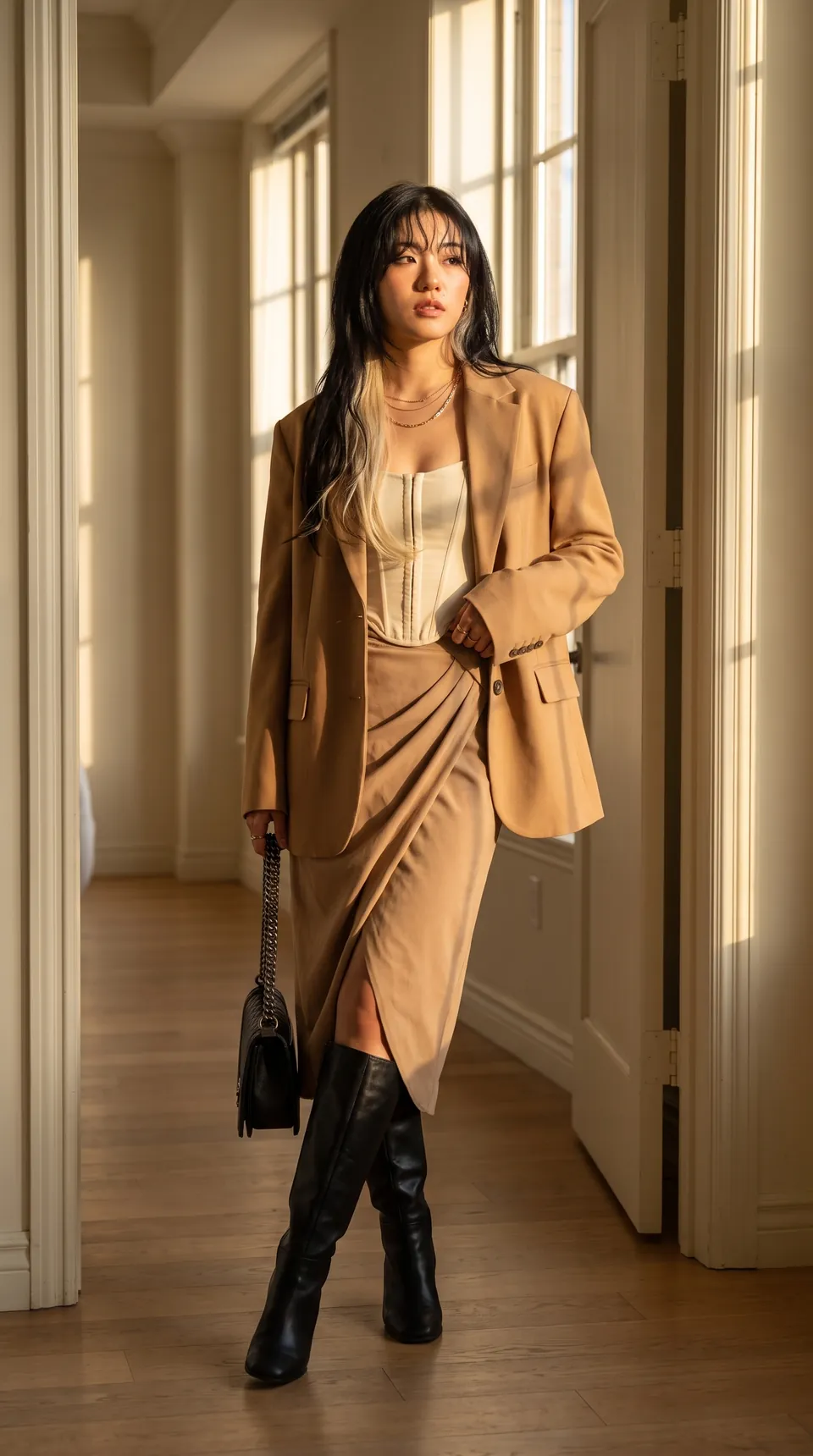 4 views
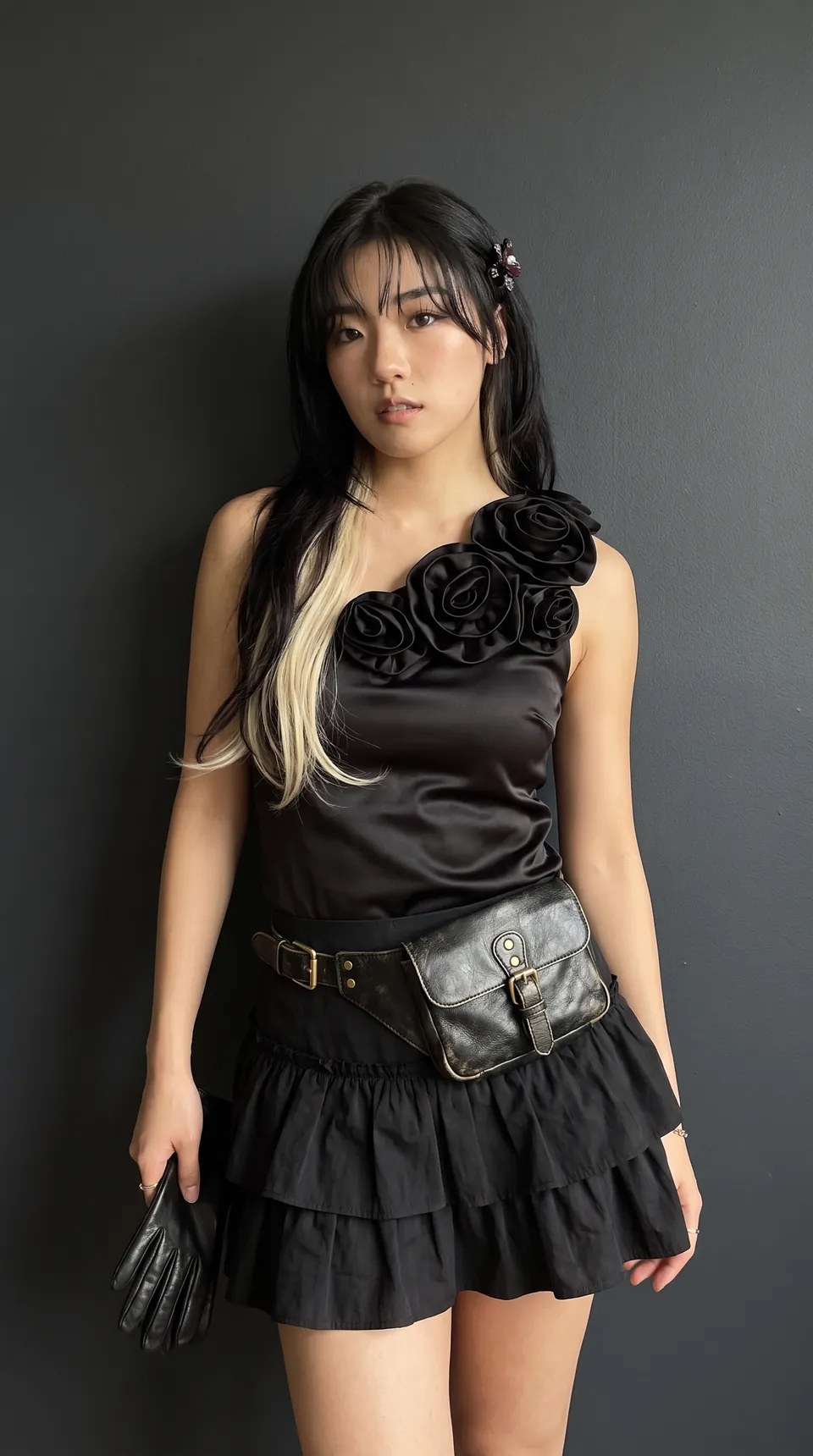



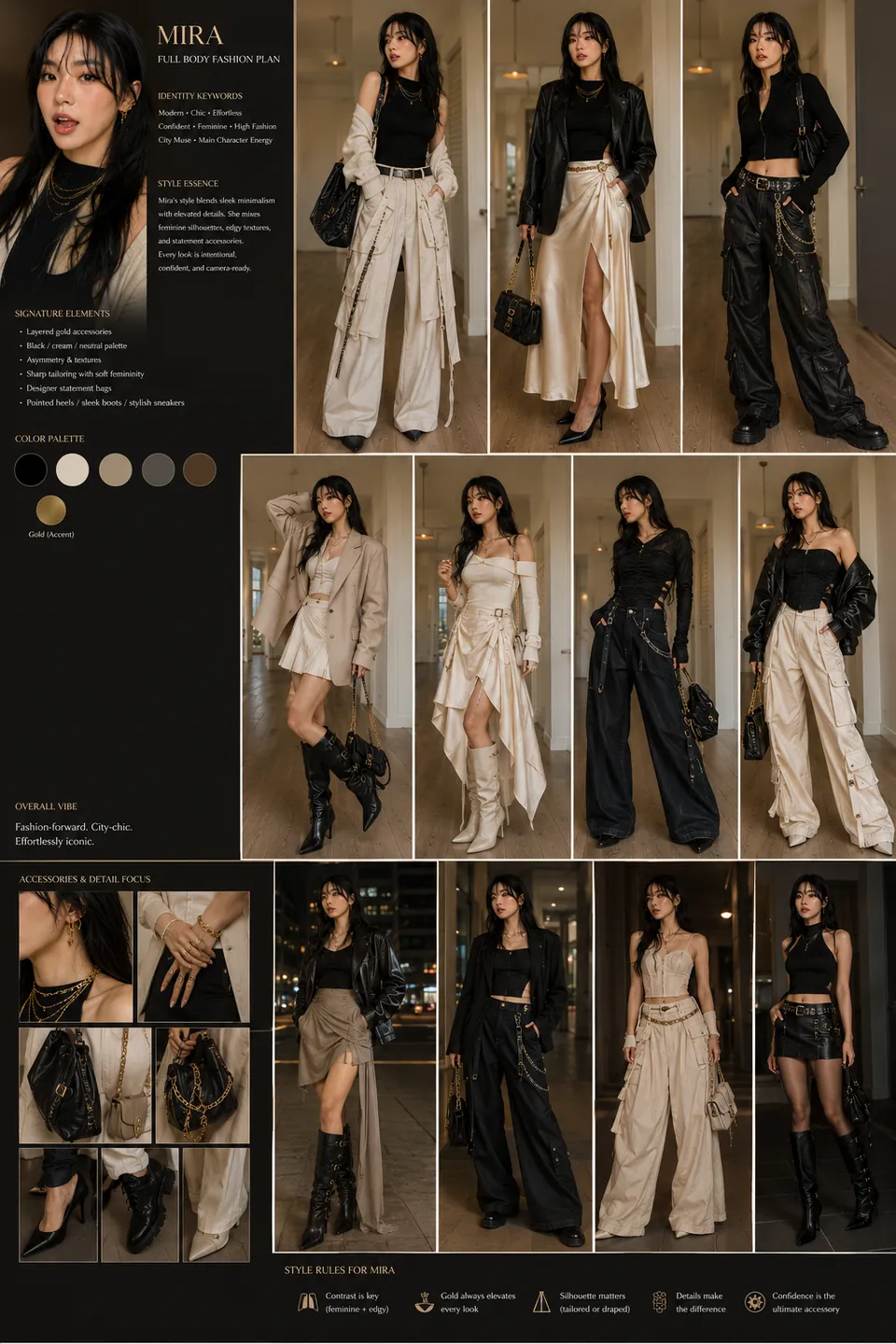

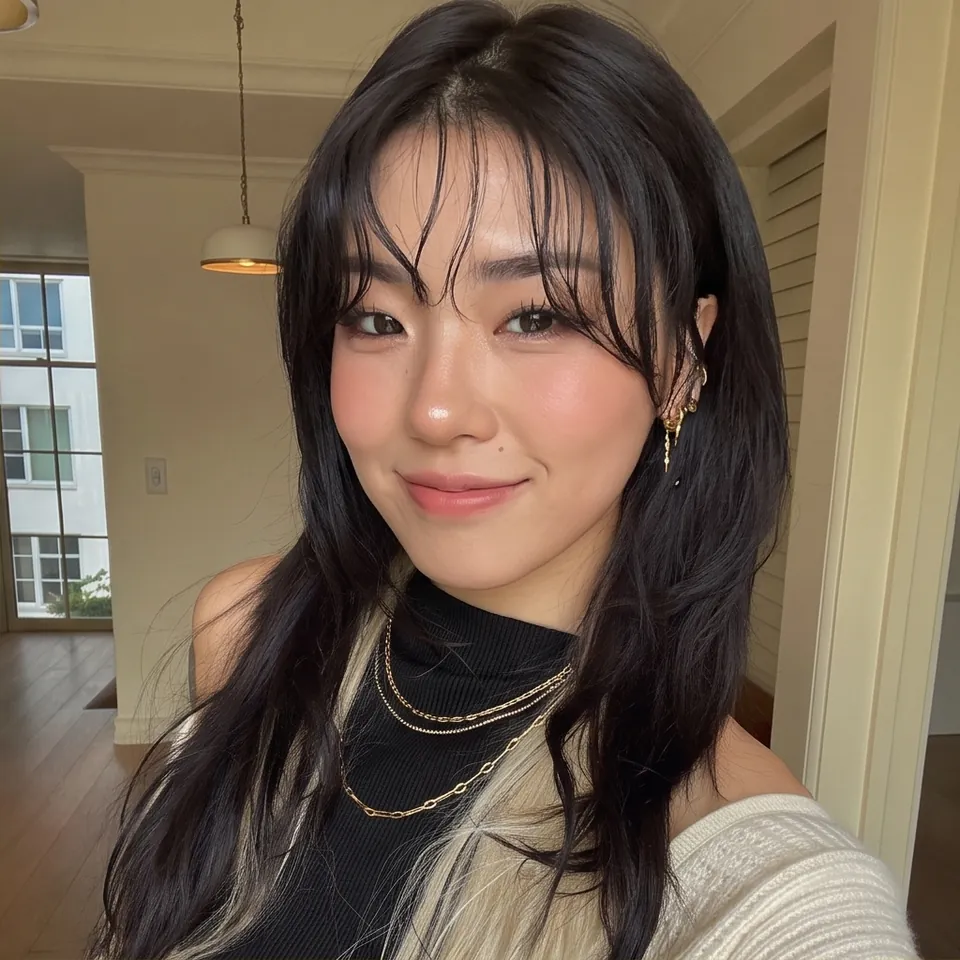















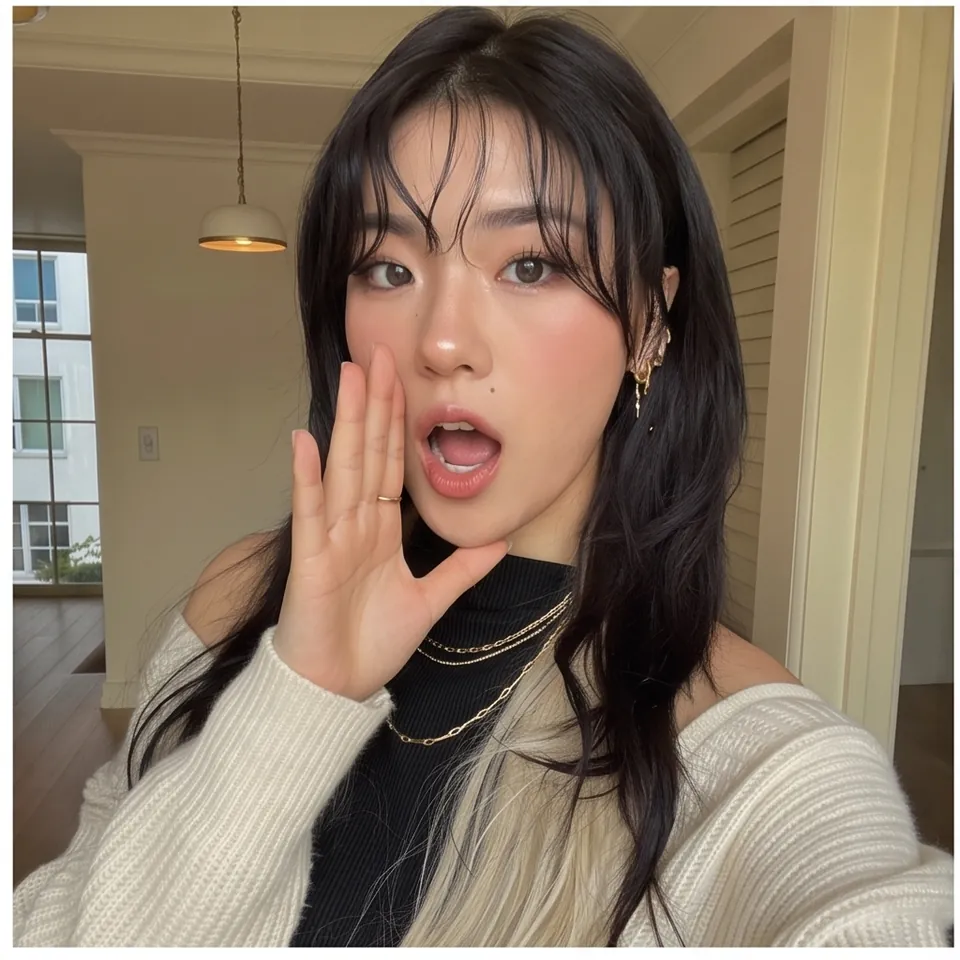

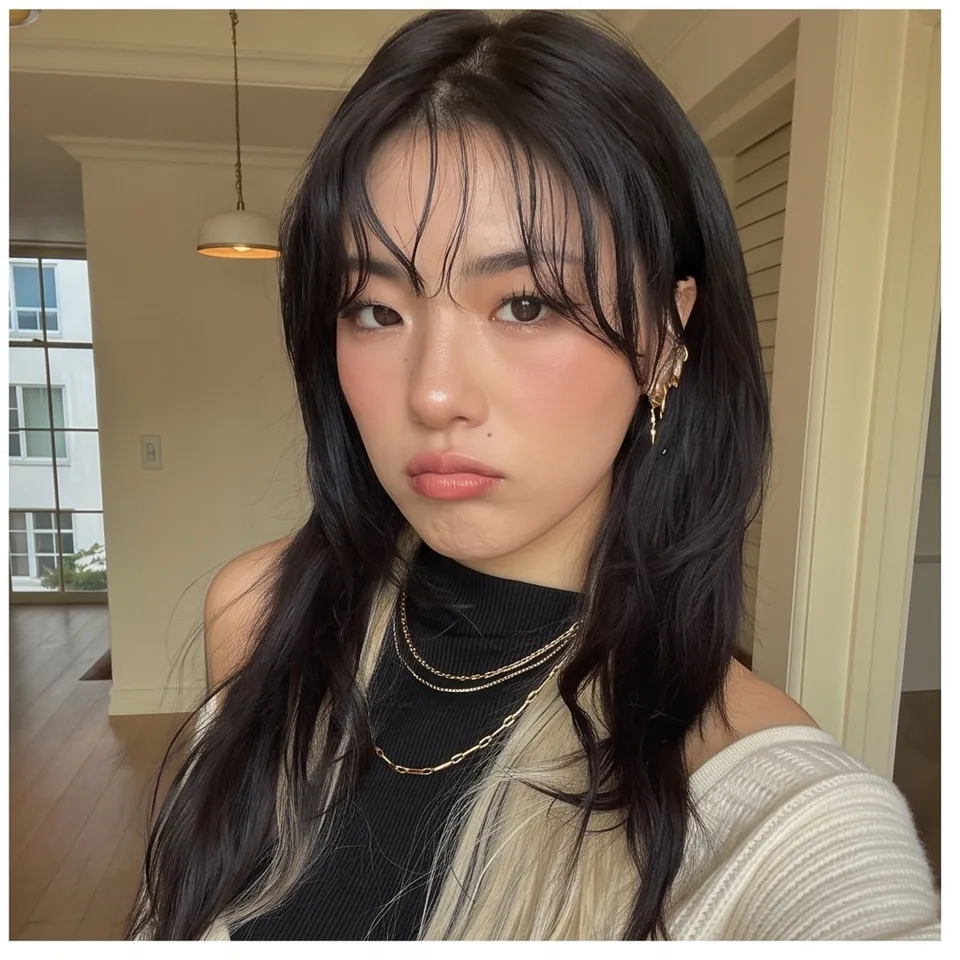

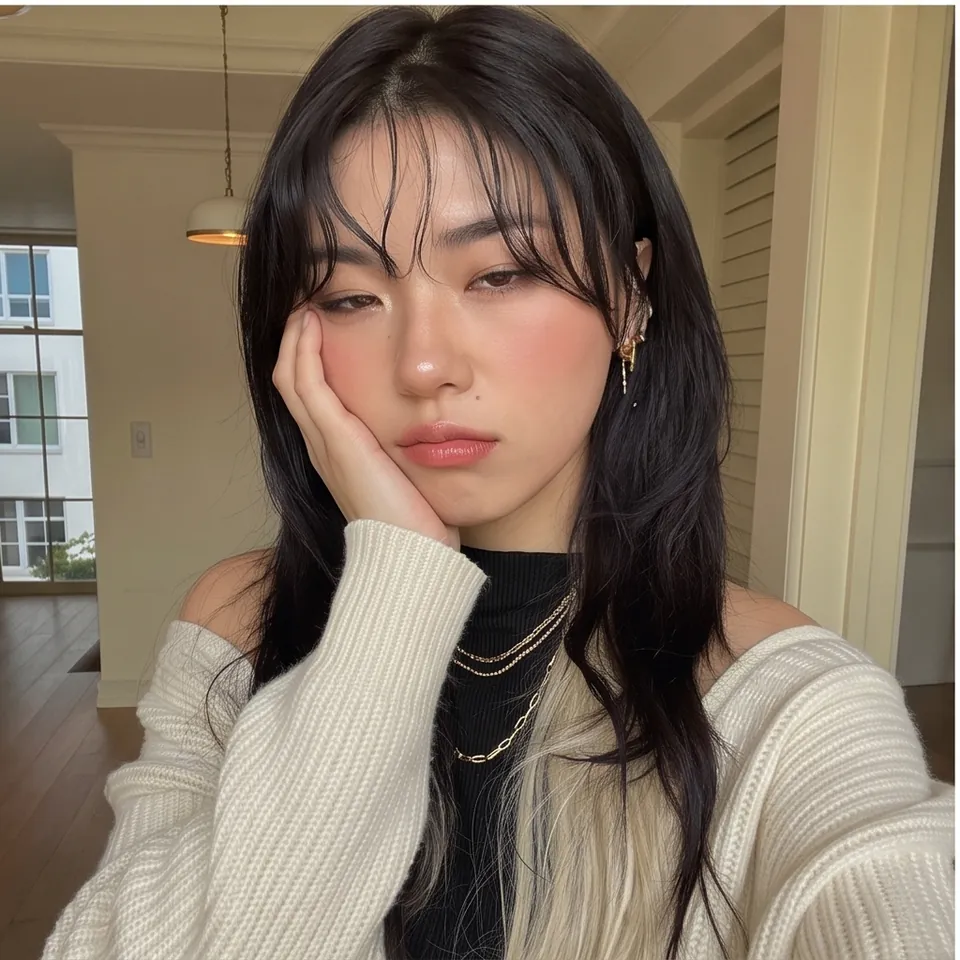
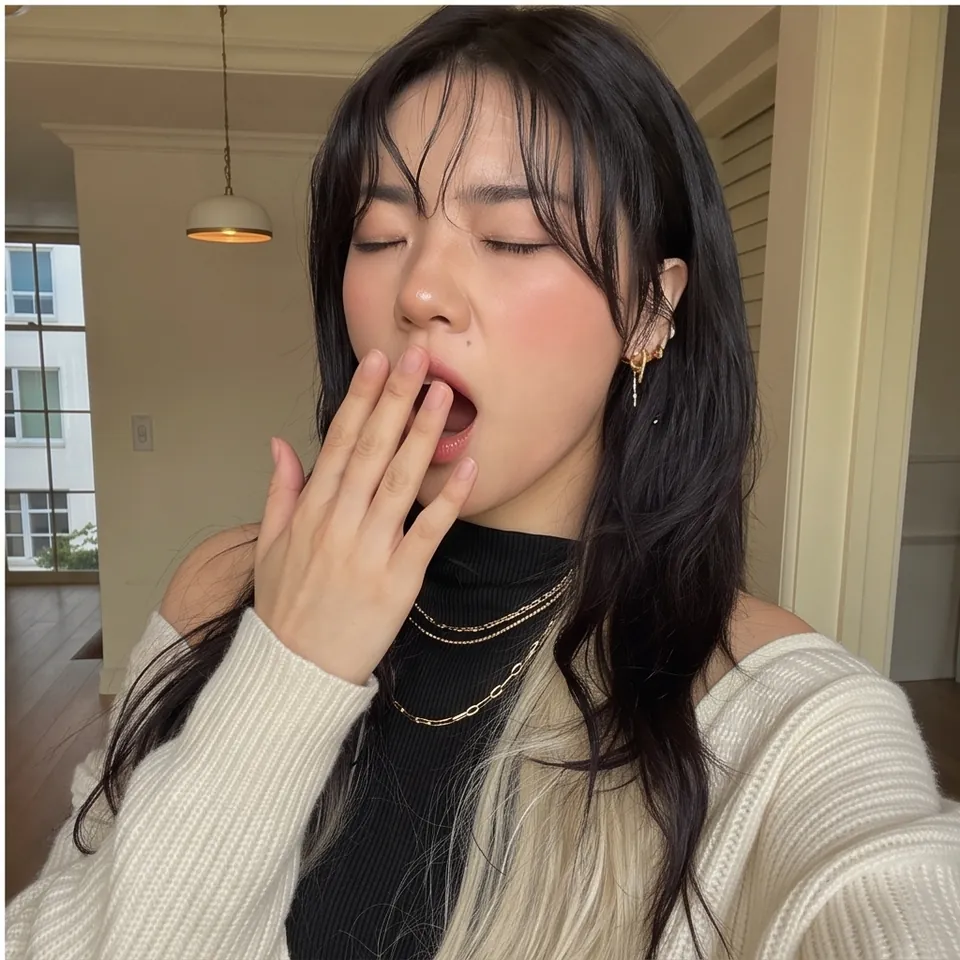

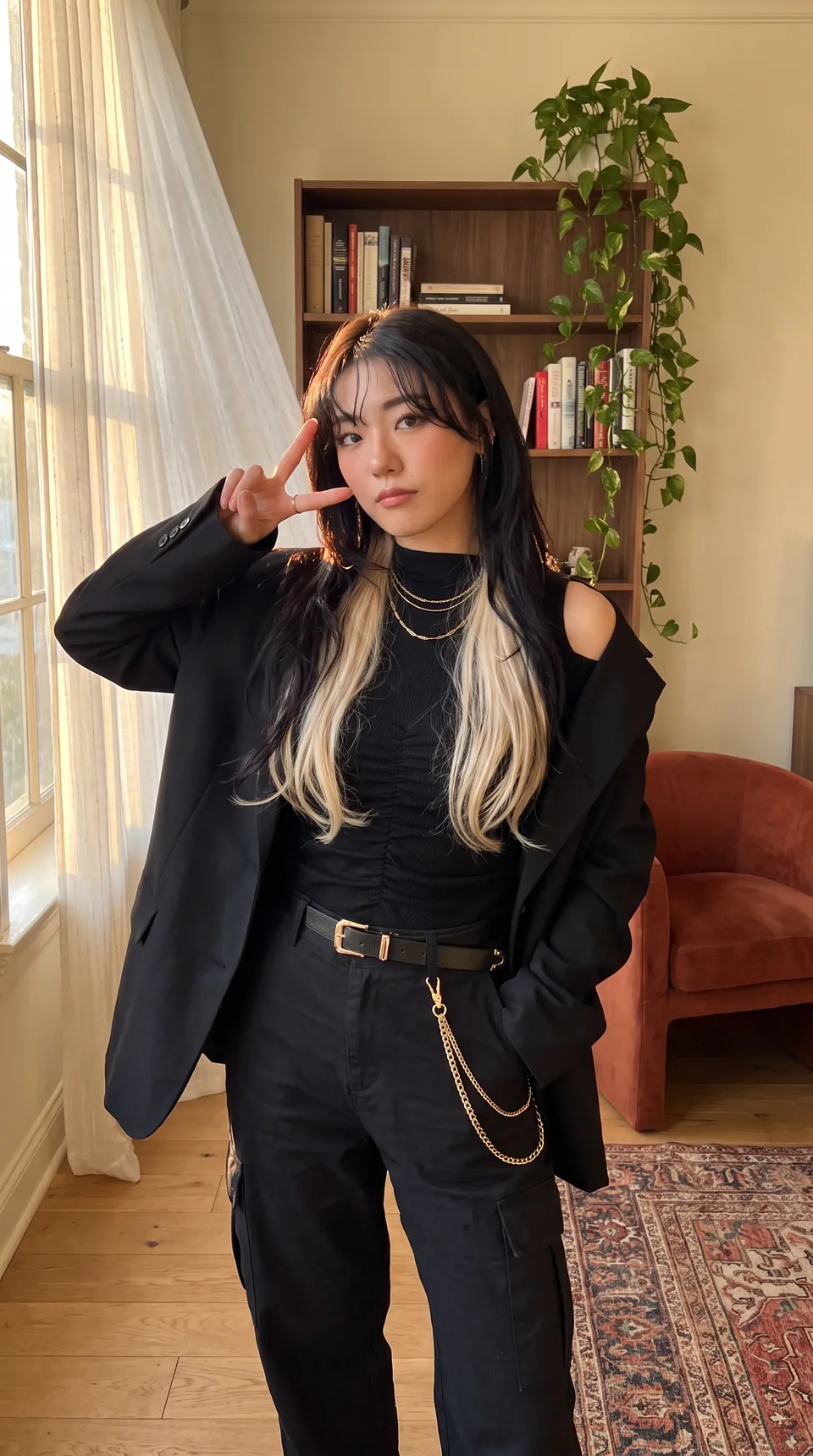
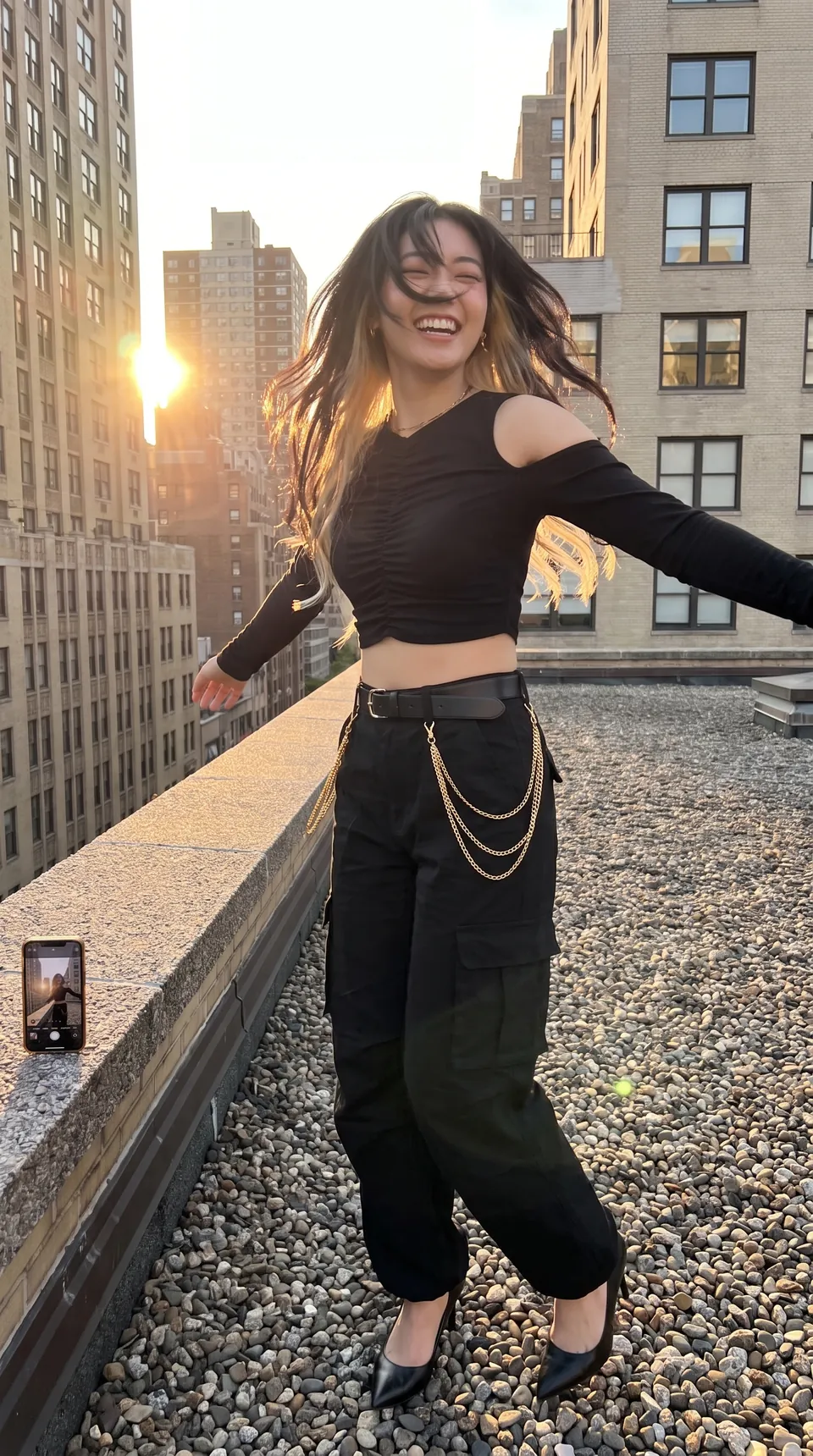




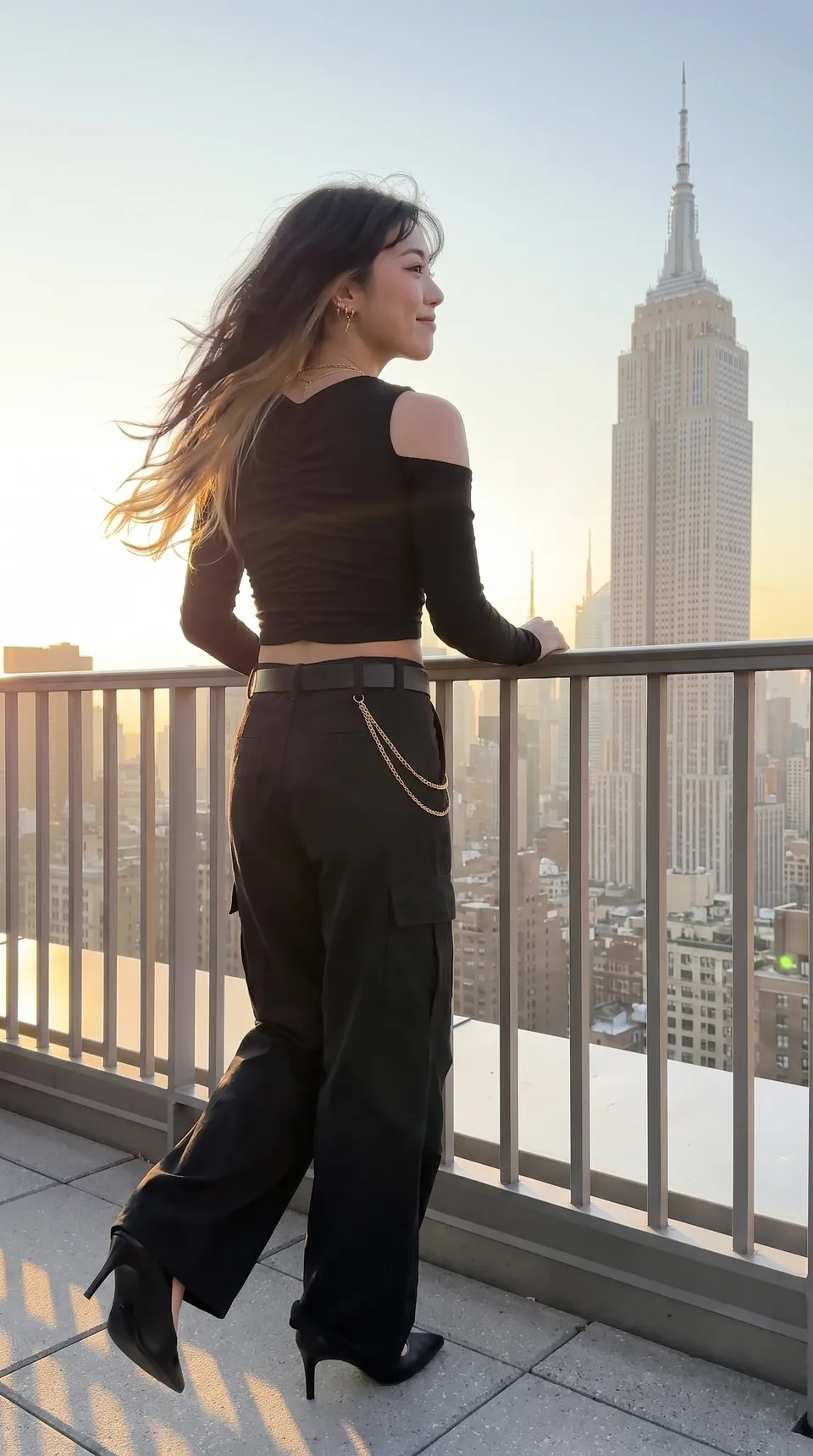

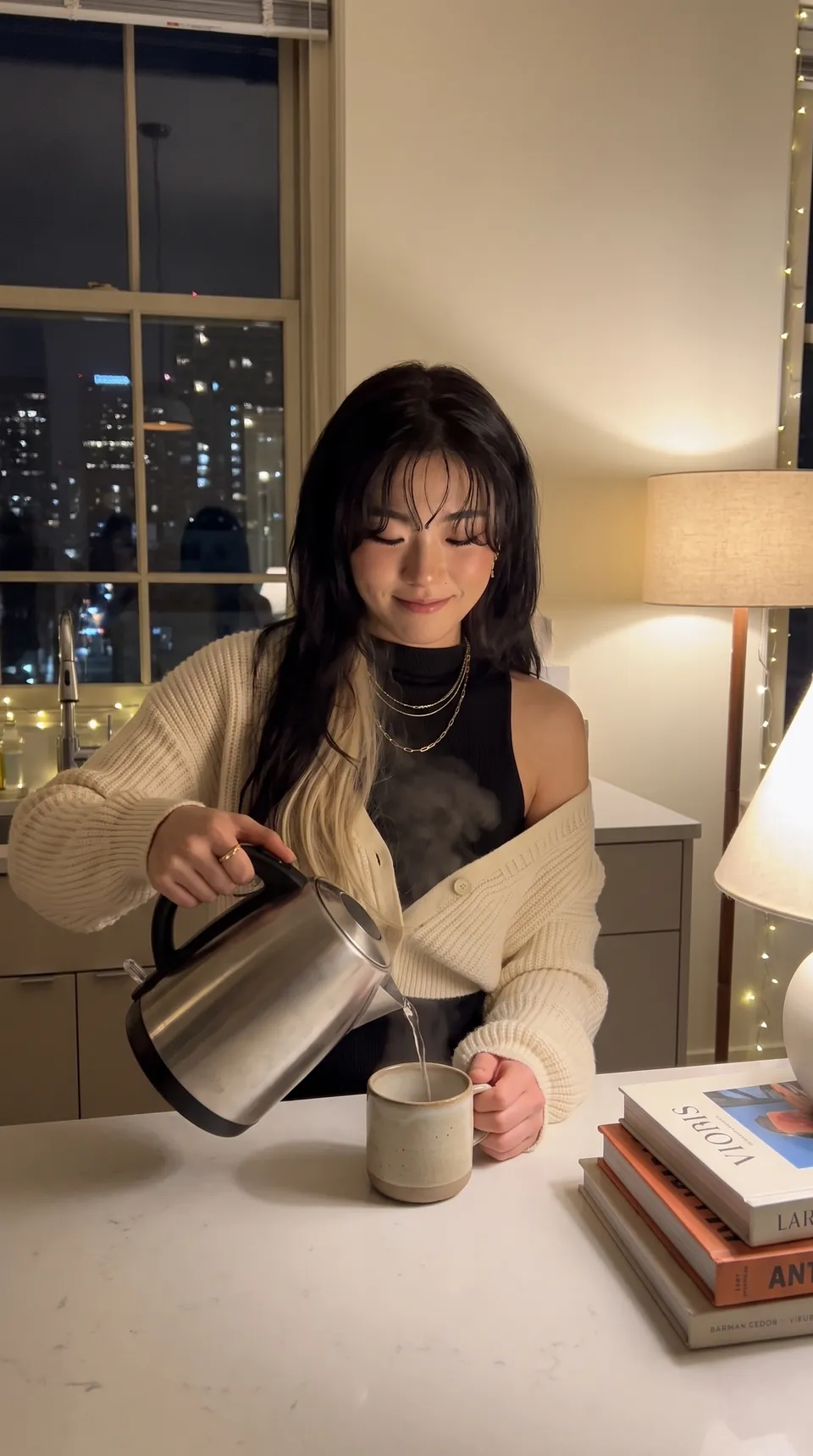
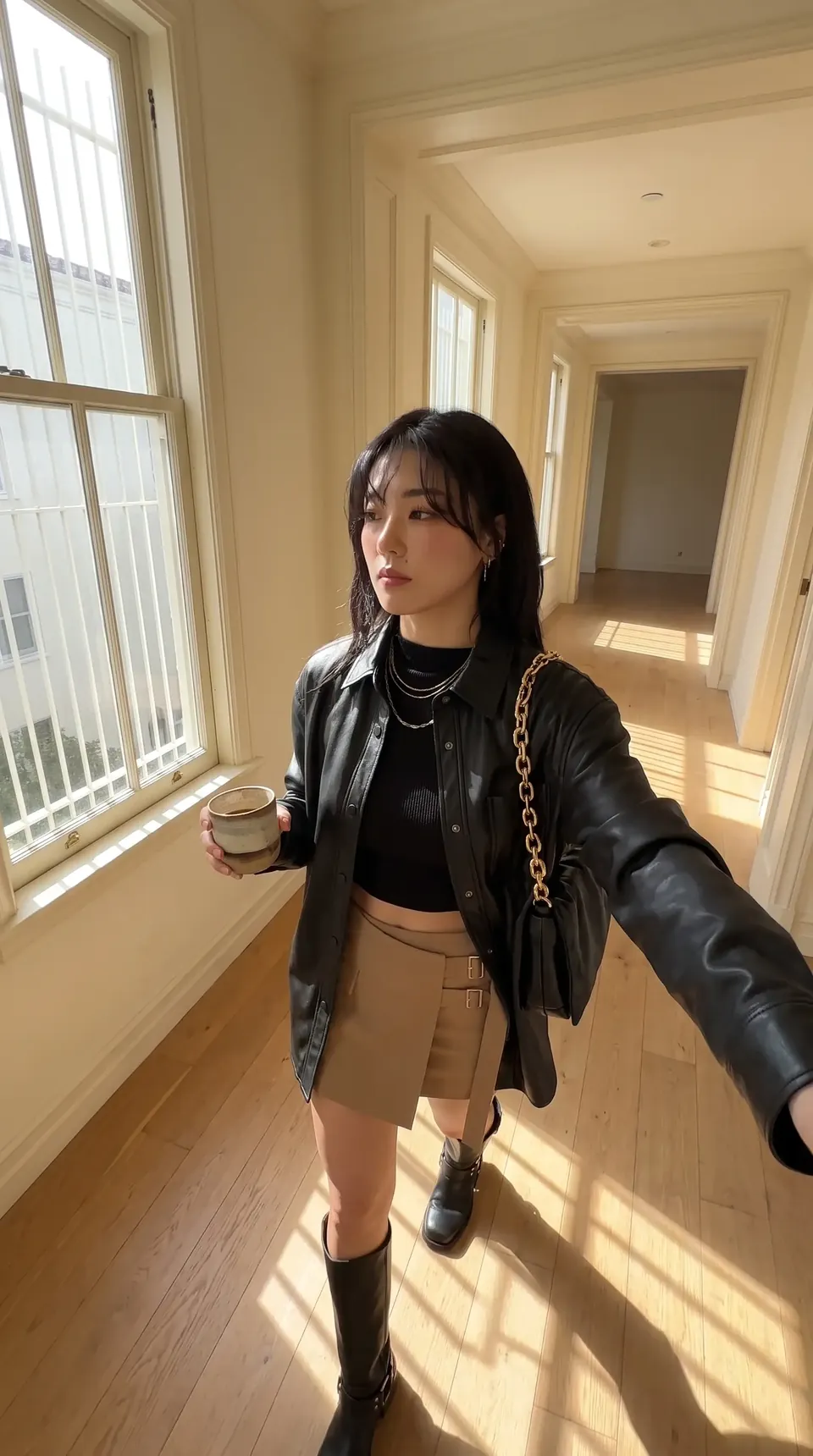

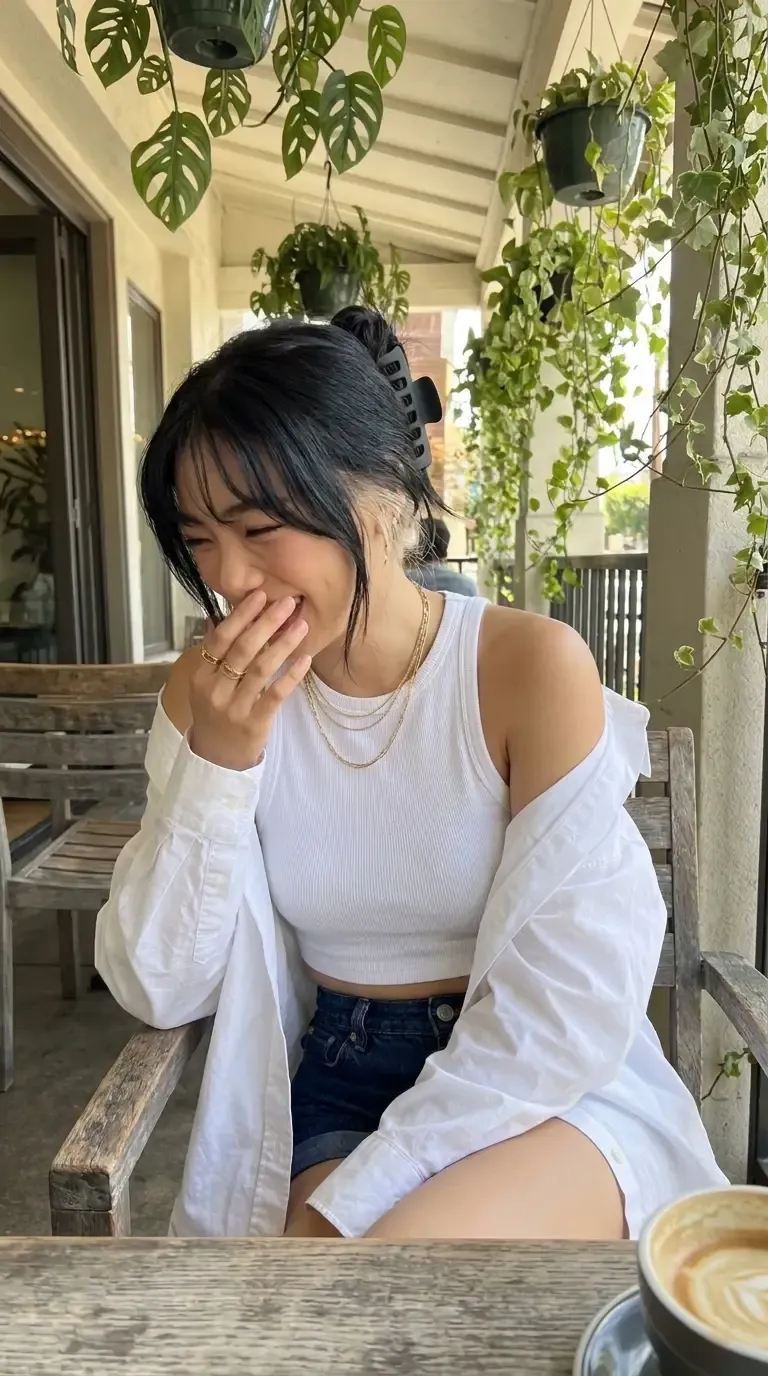
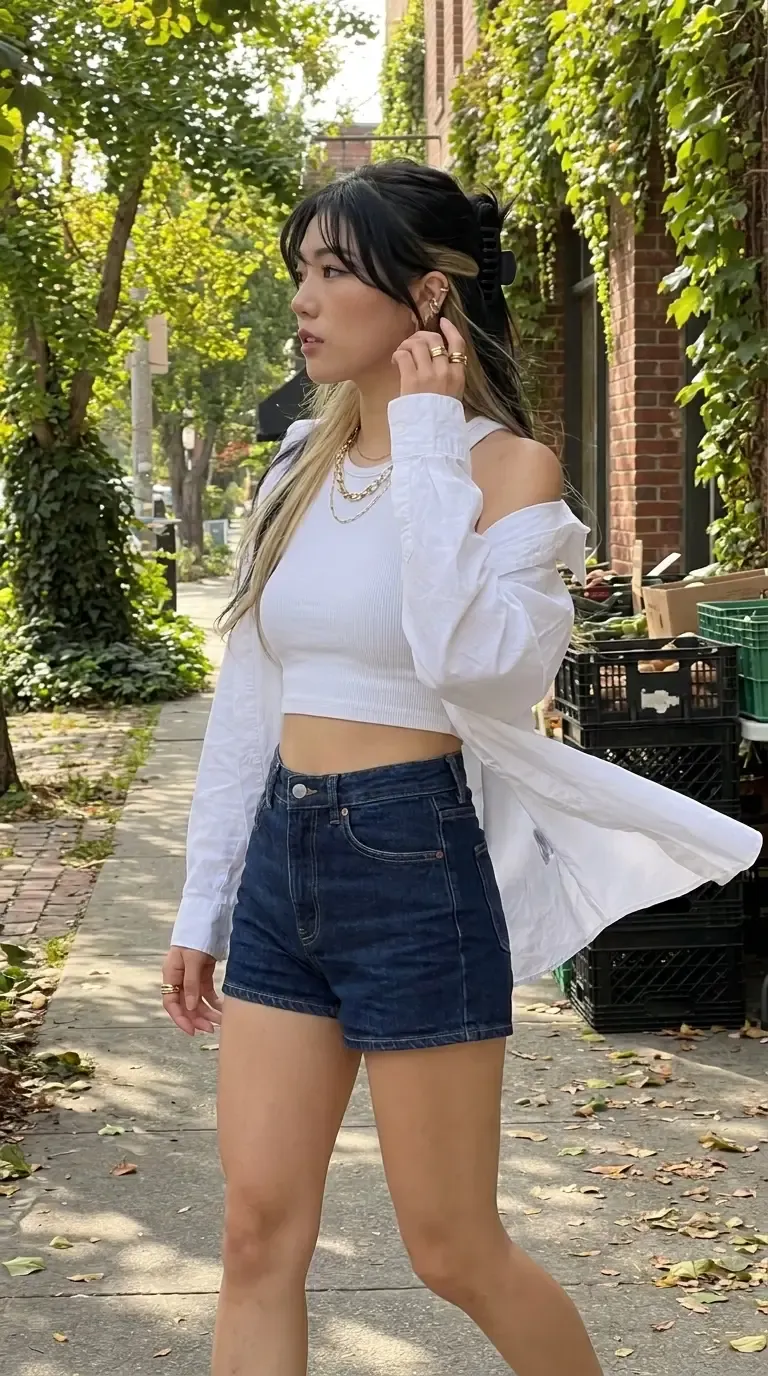
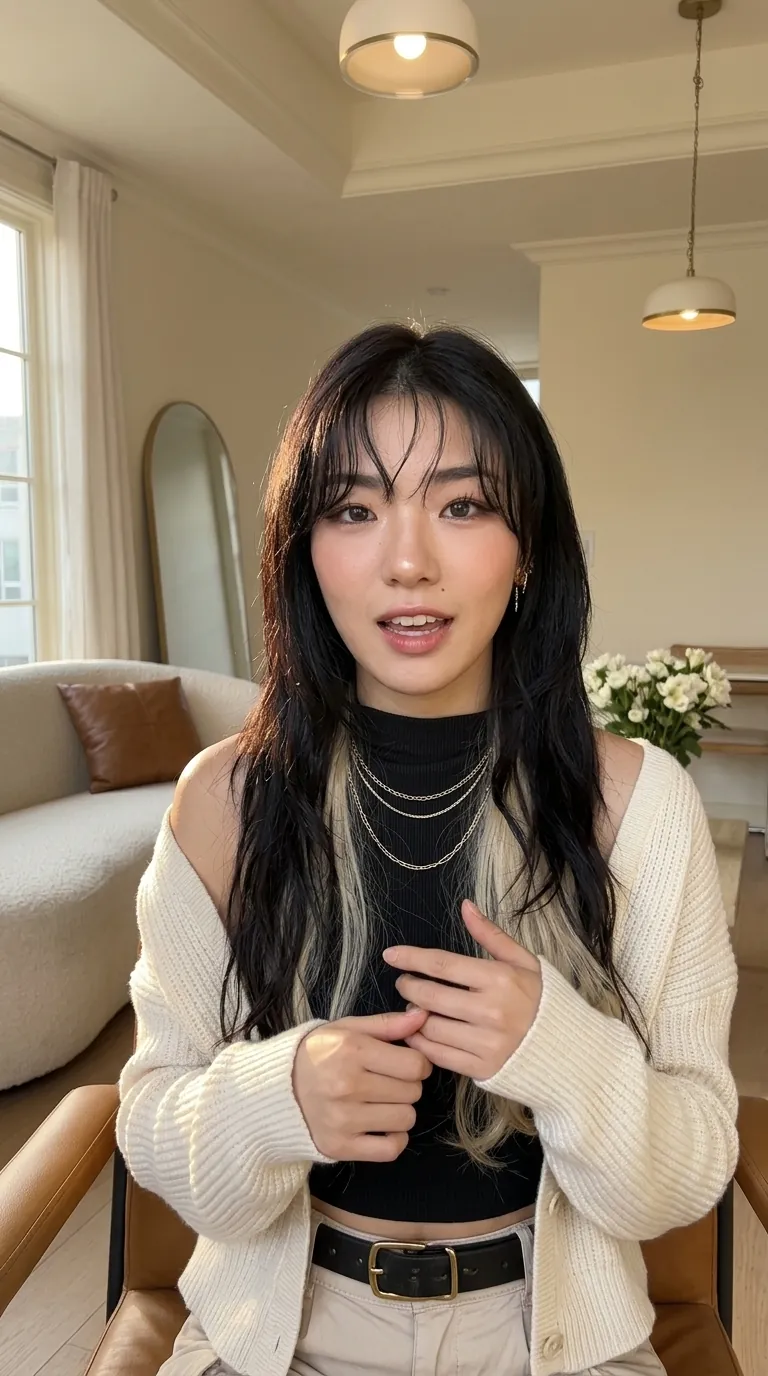



Eleven Stages, One Clock
A Reel moves through eleven stages. By October 28 most of them were code, three were my hands, and every stage had been rebuilt more than once. Pick a stage to see its tools, its numbers, the laws it obeys and how it changed.
Stage 01 of 11
Research and the Point
Since October Claude researches and pitches three everyday topics, each with a peer-reviewed finding behind it, and I pick one. The hook rules put the stake on screen in the first second.
Every Reel argues one point from one Decyde course module, always in the same shape: it was never the obvious thing, it's the real thing. One drawn object, the carrier, threads the whole Reel.
module_script.py pulls a module's own facts and never invents: a gap prints as [NEEDS WRITING] instead of a plausible number. story_check.py drafts the beat plan and refuses a plan that argues nothing.
- Claude
- module_script.py
- story_check.py
- story.ts (roles and shapes)
- Decyde course library
- hook and topic rules (H1 to H8, T1 to T5)
- a fact-checked topic bank
- Source library
- 267 modules, 9 domains, 71 courses
- Argument shapes
- 4: denial, mismeasure, price, twins
- Story checks
- 10 checks, proven on 15 seeded failures
- Drawable carriers
- 26 figures
- The hook
- first word at frame 0, a title of six words at most, the stake by 1.5 s
How It Evolved
- May Ideas came from short videos I liked: the insight reworked, a script written around it.
- Aug 22
module_script.py: the Decyde course library becomes the content engine. - Aug 31 A320: only Decyde material from now on.
- Sep 1 A321: the story grammar becomes a gate (roles, one carrier, rhythm).
- Oct 26 Hook and topic rules from a study of 54 creator Reels: everyday topics, the stake in the first second.
- Oct 29 Topics beyond decisions: fun facts and myths, each fact-checked with a safe line.
Laws It Obeys
A297The point comes first, before any draft. The draft is the cheap part.A258The content engine extracts. It never invents.A320Decyde course material only, so every Reel promotes the product instead of generic motivation.
Stage 02 of 11
Script
Since October 25 a plain-language gate reads every script before the paid voice: words from a B1 list, short sentences, no jargon.
Claude writes a fast, casual script in the presenter's voice, then script_check.py gates it with 11 checks before a single take is recorded: the word budget at her measured pace, a hook of 8 words or fewer, a closer that is a verdict and not a command, no dashes (they render as dead air) and a last line that loops back to the hook.
The checker counts words. Only an ear reads meaning, so every script is also read aloud.
- Claude
- script_check.py (S1 to S11)
- reel.py new
- approved and rejected fixtures
- voice_check.py (V1 to V11, a CEFR-J B1 word list)
- Speech
- 22 to 27 s, so the Reel fits 30 s
- Mira
- 58 to 71 words at 2.64 words per second
- Hook
- 8 words or fewer
- Self-test
- passes the approved script, refuses the rejected ones
- Gate
- the paid voice is refused until the script passes
How It Evolved
- May Punchy and motivational, with expression tags.
- July Script Studio: I paste a brief, Claude writes the script.
- Aug 25 I said the scripts sounded AI generated. Four laws in one day: the loop, no fake confessions, talk not recite, punctuation as the throttle.
- Sep 6 Speech capped at 22 to 27 s after the 30-second law.
- Oct 25 Plain voice: the first rebuilt Reel's audience found it too niche, so plain words became a gate.
Laws It Obeys
A296Fast, casual conversation is the house voice.A294No manufactured confessions: an "i" needs a real story behind it.A182No en or em dash anywhere. On a voice they become silence.
Stage 03 of 11
Voice
Since October 25 the voice comes from the ElevenLabs API after my go: five takes on one budget, and Claude picks the take. Sapphire, a voice I picked by ear, is Mira's voice for every Reel.
Through October I recorded every voiceover myself in ElevenLabs (Eleven v3): Mira speaks with the Laura voice, Luna with Claire. The API route was closed on the free tier and upgrading was a money decision, so it stayed a five-minute human step.
The take is the most important file in a project: from here on, it is the clock. On October 24 I moved it to the next lane: voice, effects and music from the ElevenLabs API through repo scripts, each generation shown with its text and cost before I say go.
- ElevenLabs Eleven v3
- gTTS scratch voice (timing only)
- ffmpeg loudnorm
- tts2.py (five takes, one go)
- voice_pick.py
- voice_search.py
- Sapphire (ElevenLabs Voice Library)
- Mira
- Laura, 2.64 words per second
- Luna
- Claire, 2.26 words per second
- My time
- about 5 minutes per take
- Cost
- 0 credits
- Billed
- 0.40 of the characters our scripts count, measured four times out of four
How It Evolved
- May Laura chosen for Mira.
- Summer A second voice for Reels 13 to 17, then made the default.
- Aug 21 A script automated the paste. The first real call returned 402. The note: verifying the parts is not verifying the whole.
- Sep 2 A blind listening test brought Laura back; Luna got her own voice.
- Oct 24 A445: voice, effects and a lofi bed move to the API through repo scripts, after my go.
- Oct 25 The voice moves to the API after my go: Laura's directed takes.
- Oct 26 Sapphire becomes Mira's voice; five takes on one go, and Claude picks.
Laws It Obeys
A390The voice belongs to the presenter.A251No ElevenLabs API automation on the free tier.A131A voice swap is a time warp, never a rebuild.
Stage 04 of 11
Timing: The Voice Is the Clock
Since October the clock comes from ElevenLabs' own word timings, and reel2.py lays the whole timeline on words.
faster-whisper turns the take into word timestamps. The spec names words, not seconds ("cue": "@two fifty"): the compiler finds the phrase in the take and cuts there. Re-record the voice, recompile, and every cut moves with it.
It refuses a phrase spoken twice, a phrase never spoken and cues that run backwards. The same spec and the same words give a byte-identical board.
- faster-whisper base.en
- align.py
- compile_reel.py
- beatmap.py
- retime.py
- vo_sync_check.py
- reel2.py (the clock)
- ElevenLabs word timings
- Captions
- 3 words max, 1.5 s max per card
- Sound leads picture
- by 0.07 s
- Frame grid
- every time snapped to 30 fps
- Hand-typed seconds
- 0
How It Evolved
- May to Aug Timelines arranged by hand for each Reel.
- July Reel 21: picture built on one take, voice from another, up to 5.1 s apart.
- Aug 22
align.py: the take becomes the edit. - Sep 1 The compiler: specs name words, boards come out.
- Oct 2 The voice is measured in MP3 frames, so two machines agree to the sample.
- Oct 25 ElevenLabs' word timings replace Whisper for the paid voice; designed joins land on words.
Laws It Obeys
A322Nobody types a second ever again.A272The voiceover is the clock.A380A talk beat ends where the voice stops.
Stage 05 of 11
Presenter Images
Since October 25 Mira is a gallery: seven approved talk takes reused across Reels. A new Mira is made only on my ask, from my own outfit sheet passed as a picture: 141 credits for the first, 54 by the fourth.
A talk still is frame one of the clip, so it has to be unmistakably her: an approved outfit, room and light, the house mic in hand, already mid-sentence.
Claude writes every prompt and prompt_check.py runs 93 assertions on it before a credit is spent. ArcFace scores her face against 21 faces I approved. I approve every spend from a preflight table and see the first still before the next two are made.
- Higgsfield nano_banana_2
- Higgsfield Soul (Luna's fashion stills)
- prompt_check.py
- face_check.py (InsightFace ArcFace)
- the look system
- mira_gallery.py
- an outfit sheet as a picture reference
- Face bands
- her at 0.50 and up, review 0.40 to 0.50, a stranger below 0.40
- Picture vs words
- a reference image scores 0.59 to 0.66, her description alone 0.168
- Sets
- 18 rooms x 12 lights, 22 outfit cards
- One still
- 1.5 credits
- Gallery
- 7 approved takes carried 9 Reels
- A new Mira
- 141 credits (m05) down to 54 (m08)
Same face, four worlds: each new frame scored against her original picture, 0.590 to 0.657.
How It Evolved
- May One anchor photo as the start image for every clip.
- Jul 17 Reel 17: the identity collapse, 104 credits lost.
- Sep 1
face_check.py: the first rule that actually looks at her face. - Sep 2 to 3 Looks are built once and reused by every Reel.
- Sep 8 A411: pass the anchor picture itself; stop trying to describe her.
- Oct 25 The gallery of approved takes, and a new mic-free Mira from my outfit sheet.
Laws It Obeys
A411Words fix the type. Only a picture fixes the person.A350Identity decays with every copy: never build a start frame from a start frame.A374Never deliver a stranger.
Stage 06 of 11
Talk Clips and Lipsync
Since October only the mouth is bought: one approved take is lip-synced onto any script at 3.6 credits a second, line 1 first, then the rest. A Reel's mouth costs 37 to 54 credits instead of about 98 for new clips.
Higgsfield's seedance animates a still into an 8-second plate. A second pass, sync_so, repaints only the mouth to the exact words of the take.
A receipt proves it: a permutation test against 40 random placements in the full voiceover, a viseme check on p, b and m, and her face score. No receipt, no board. Plates are made once per look, so a new Reel buys only the mouth.
- Higgsfield seedance 2.0 (720p)
- sync_so (Sync Lipsync 3)
- lipsync_align.py
- visemes.py
- lipsync.py check
- v2_talk.py plan --reuse (the exact price)
- Apple super-resolution on the Mac (free)
- Sync probe
- p 0.37 before, 0.00 after the mouth pass
- Lip closures
- 4 of 5 within 40 ms
- Presenter per Reel
- 3 clips, 24.5 s max
- Mouth cost
- about 87 credits, about $4
- Per Reel
- 36.89 to 54.28 credits over nine Reels
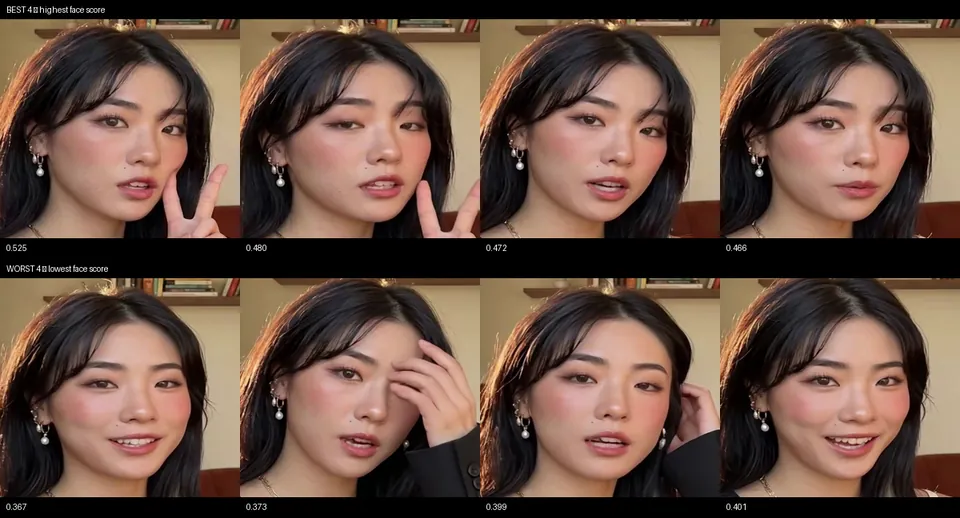
One 4-second clip, its best and worst frames: motion spends identity, 0.525 down to 0.367. Animate only from a strong still.
How It Evolved
- May The mic covered her mouth to hide bad sync.
- August Lipsync was written off as unfixable.
- Sep 2 A four-clip test showed an old ban had caused the fault.
- Sep 2 sync_so found: its catalogue entry had no description, so no search ever returned it.
- Oct 25 Mouth only, on a reused approved take; free Apple super-resolution after the sync.
Laws It Obeys
A385A talk clip is generated from the voice: the exact line and the audio.A386dEvery talk video must match the voice. A clip with no receipt is refused.A393Talk footage is made once per look; a Reel buys only the mouth.
Stage 07 of 11
Motion: From Hand-Drawn to the Brand's Schematic
Since October the drawing follows the Decyde brand book: thin ink on paper, one blue Decision Marker, a stage of its own for every Reel behind one contract, and a design system of 31 primitives and 16 components.
Between the talk beats, drawings carry the argument: a doodle library, a two-puppet cast (Dot believes the obvious, Stick is sceptical), 15 motion primitives and one yellow accent per scene. All of it is code in Remotion: deterministic, zero credits.
The graphics never bake in words. Every word is rebuilt as editable text in After Effects.
- Remotion 4
- React
- perfect-freehand
- roughjs
- tokens.ts
- design_lint.py
- motion_check.py
- doodle_check.py
- the v2 design system
- Lucide icons
- prim_check.py
- ds_golden.py
- ds_layout.py
- Canvas
- 1080x1920 at 30 fps
- Doodles
- 26 figures x 3 variants
- Primitives
- 15, of which 11 rebuild as native AE shapes
- Idle motion
- one boil: 3 fps, 0.6 px
- Design system
- 31 primitives, 16 components, 29 golden stills
- Stages
- 9, five of them play-along
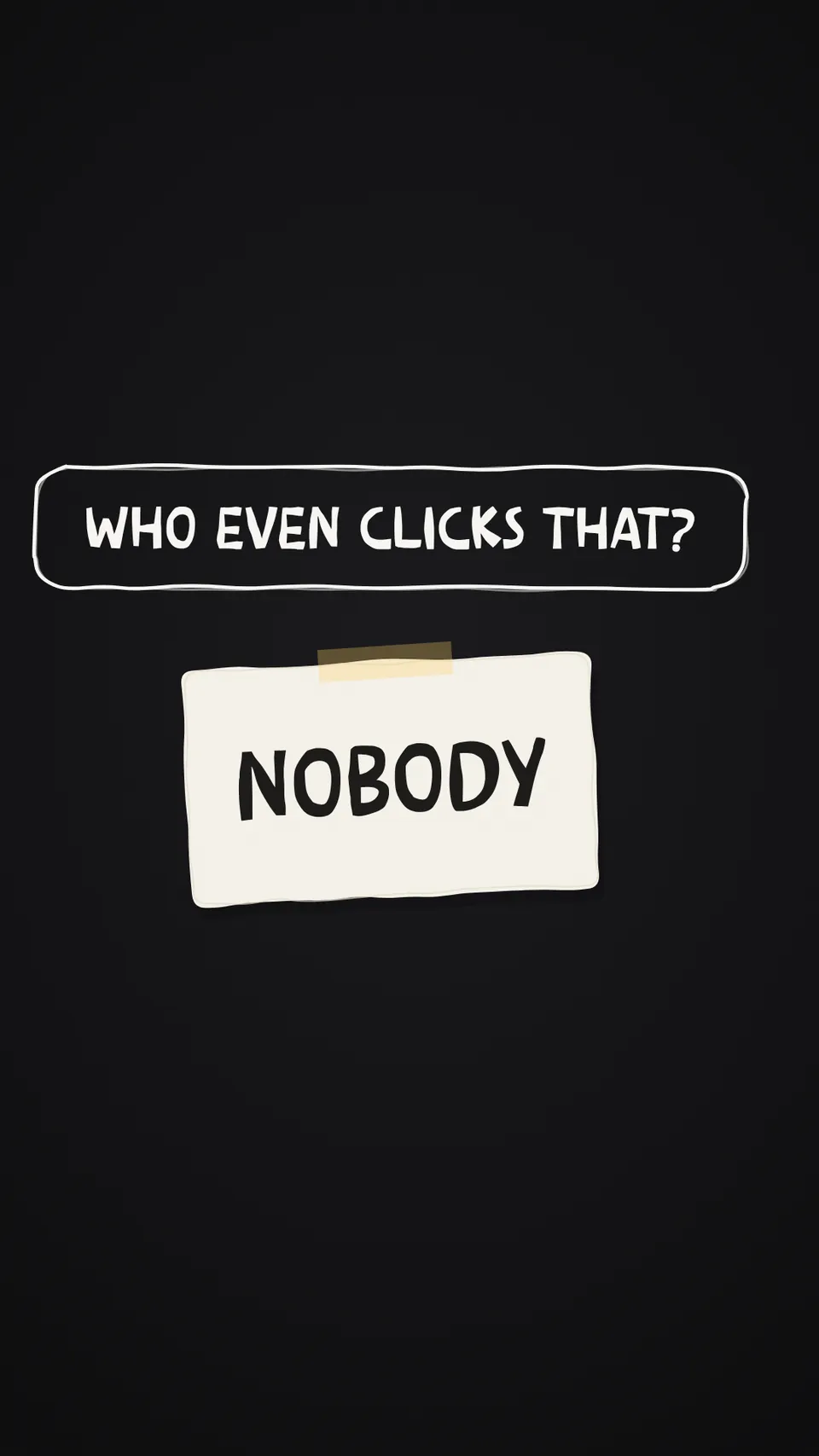

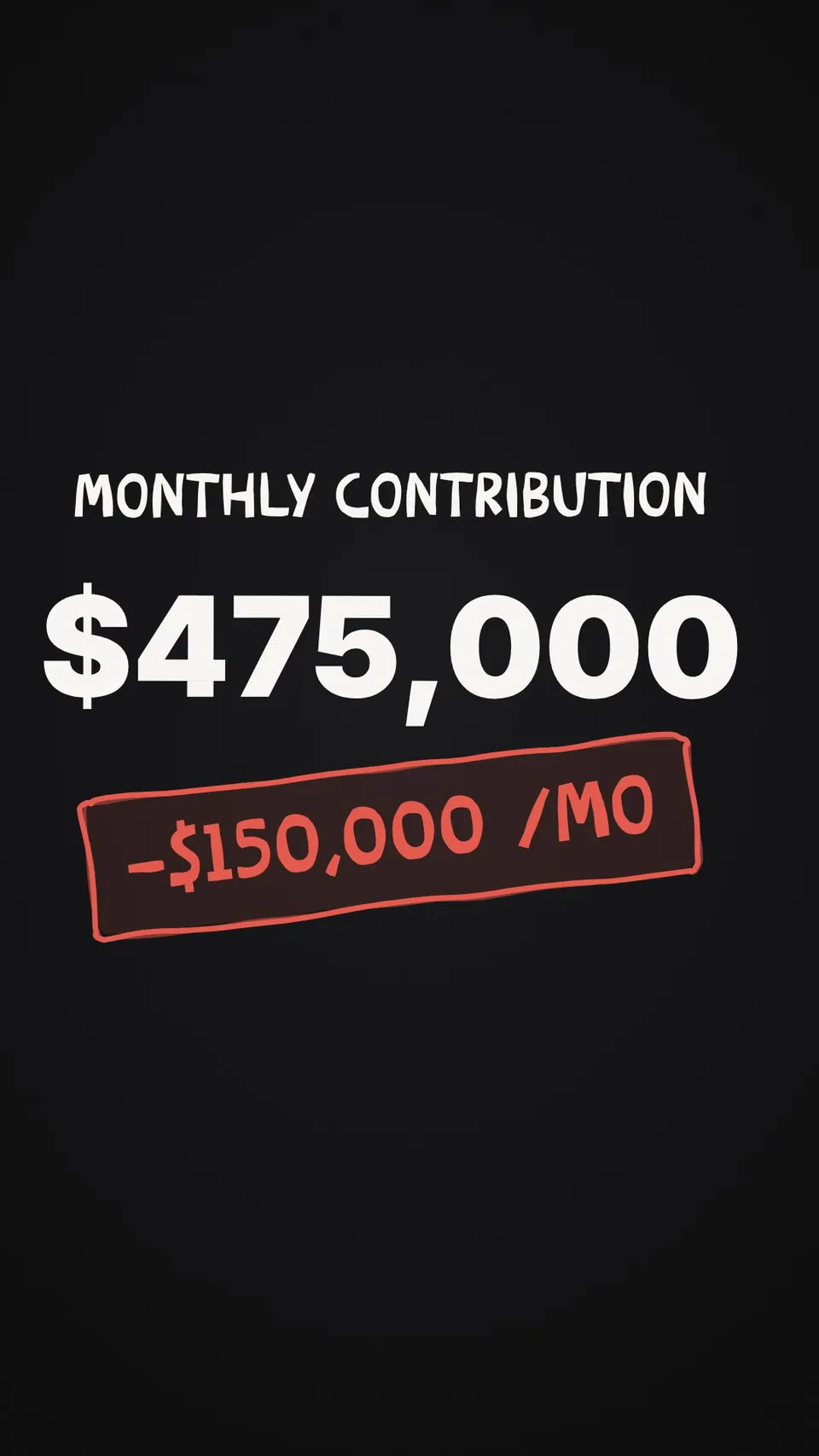
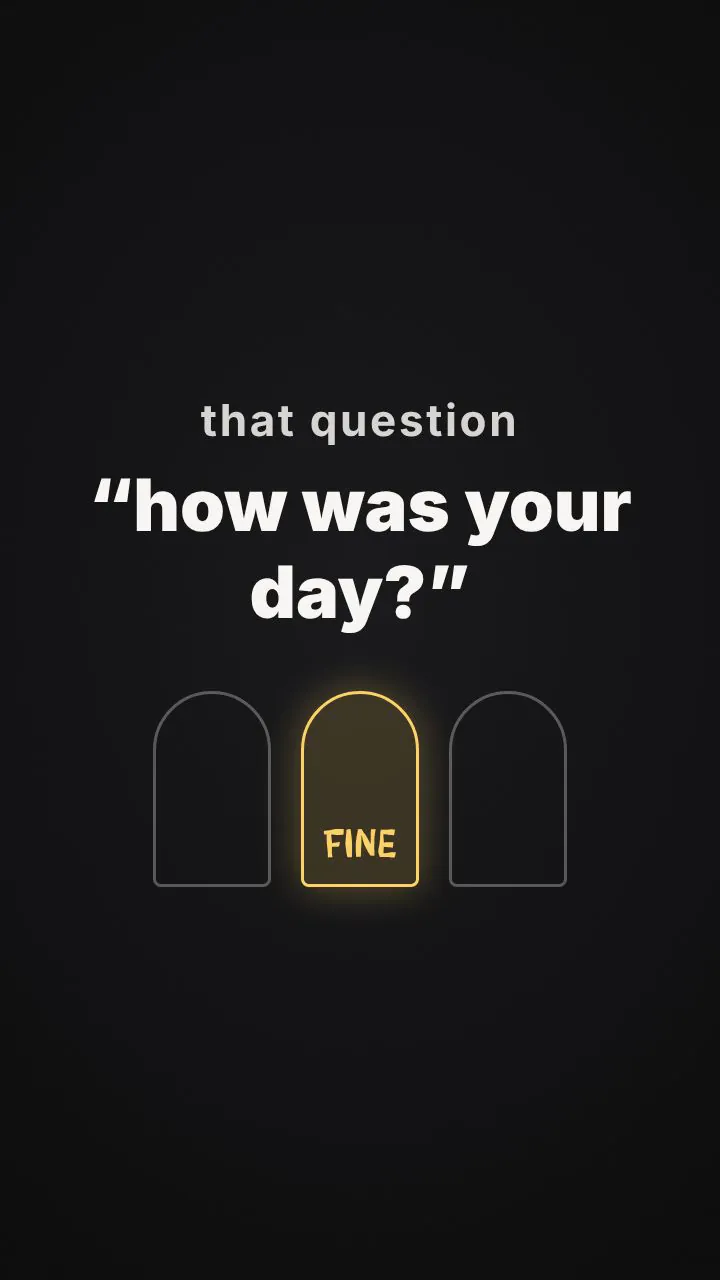
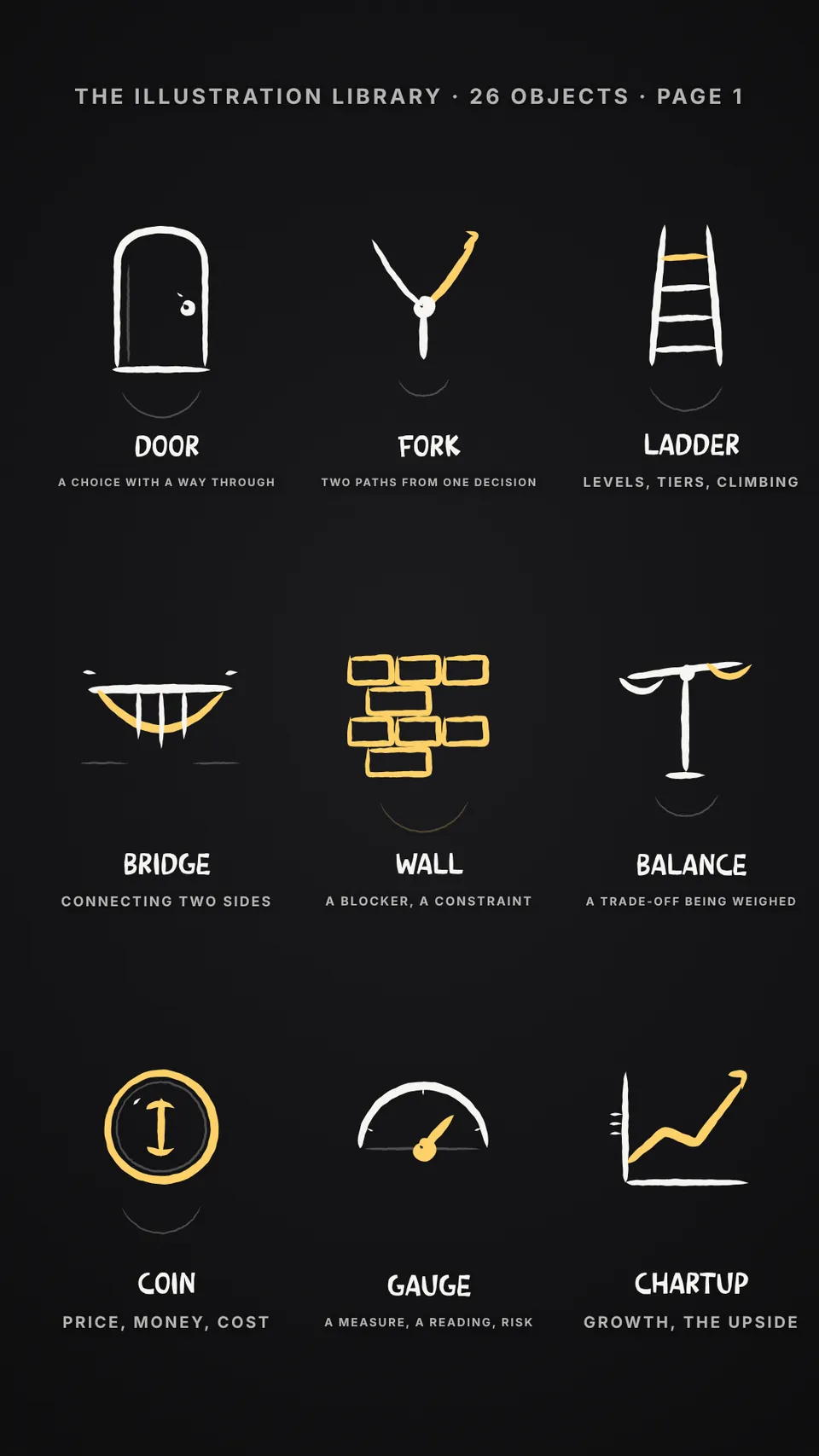
How It Evolved
- May Graphics designed in Figma by hand and keyed off a green screen.
- Aug 21 A motion lab in code, with a synthesized sound kit.
- Aug 31 The Remotion Studio and its design tokens.
- Sep 6 The cast, marks by role, and calm: one source of idle life.
- Oct 15 fx primitives, then the paper and cobalt world grammar.
- Oct 24 A445: I rejected the doodle-era look as off brand. The next art direction starts from the Decyde brand book.
- Oct 24 Three art directions built and blind-reviewed; the Schematic was picked.
- Oct 25 The design system, phases 0 to 4, in one evening, without moving a pixel of the approved Reel.
- Oct 28 Draw a world, not an icon: the redrawn two-trips sets the art for every stage after it.
Laws It Obeys
A406Movement without a reason is a fault, not a texture.A402Words belong to After Effects.A405Every mark means something: the story role picks the mark.
Stage 08 of 11
Assembly: After Effects, Then One Command
Since October 24 the finished Reel comes from our own renderer: reel2.py build renders with Remotion and masters to -14 LUFS in one command. After Effects is optional; its code-built lane still passes its 45-stage gate.
board_ae.py copies the last script that rendered (the golden master) and swaps in this Reel's data: blocks, word stamps, clip slots, camera, the drawn layers, editable text, sound cues and the end card. The deliverable is the After Effects project, not an mp4.
A small bridge (a panel inside After Effects running a local web server) lets the agent run the script headless and read the result back, because nothing else could see inside AE.
- ExtendScript (ES3)
- board_ae.py
- the golden master
- CEP bridge (Node inside AE)
- strict AE mocks
- ae_features.py
- reel2.py build
- the Remotion renderer
- v2_master.py (-14 LUFS, -1.5 dBTP)
- First emitted Reel
- 27.47 s, 37 layers, 9 editable text layers, 0 missing files
- Headless build
- 2.7 s
- Before emitters
- 15 forked scripts, 24,142 lines, only 19 % alike
- Comp
- 720x1280 at 30 fps
- Since Oct 24
- one command from a spec to the mastered mp4
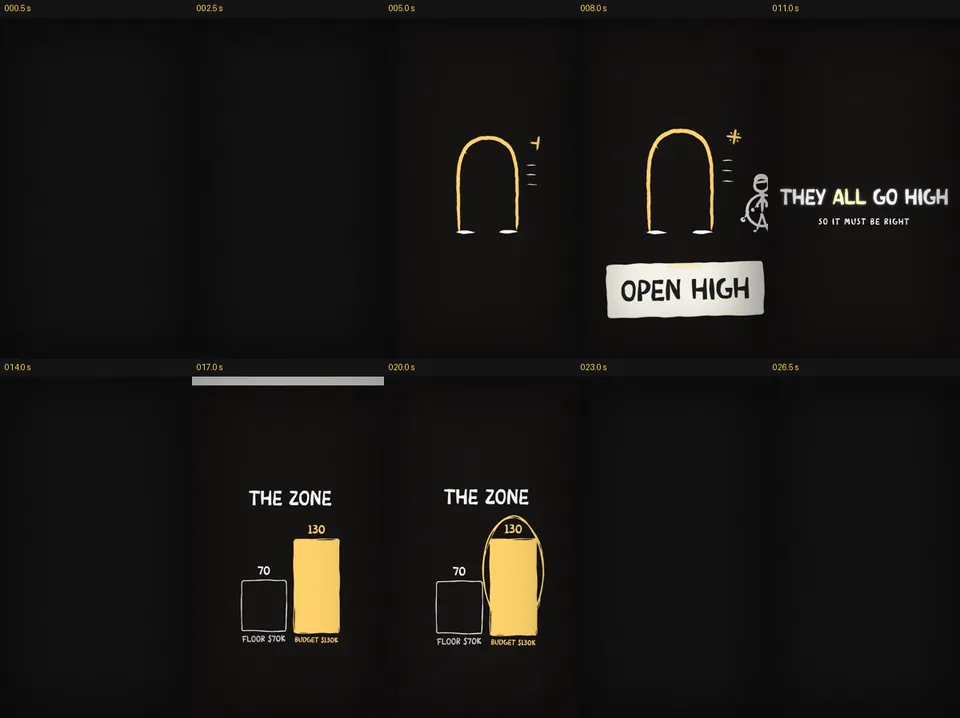
The first emitted Reel rendered by After Effects itself (September 24). The dark frames are the talk slots, left empty in the dry run.
How It Evolved
- May A script written per Reel.
- July Copy the last Reel's script: copies drift apart.
- Aug 16 One golden master, data swapped in.
- Sep 16 The bridge: AE finally answers back.
- Sep 24 The first emitted Reel builds inside my After Effects.
- Oct 24 A445: the finished mp4 from our own renderer becomes the deliverable. After Effects turns optional.
- Oct 25 The first Reel made end to end by our renderer, approved at 05:52.
Laws It Obeys
A287The deliverable is the After Effects project.Rule 2A new Reel starts from the last script that rendered.A132ExtendScript stays pure ASCII ES3.
Stage 09 of 11
Sound
Since October every cue is set by its peak from a sound registry, and the CC0 bed is shaped so a phone speaker can play it under her voice.
The voice sits at unity. Music is set by measured loudness, not a fixed fader: fader = voice LUFS minus separation minus music LUFS.
Sound effects are bound to what enters the frame (rise = pop, draw = tick, stamp = thud, travel = whoosh) and land 0.07 s before the picture, so the ear leads and the eye lands.
- ffmpeg loudnorm
- bgm_level.py
- beatmap.py
- a synthesized sound kit (numpy)
- media_check.py
- sound.json (the sound registry)
- bgm_pick.py
- Default separation
- music 5.5 LU under the voice
- Master
- -14 LUFS, true peak -1
- House effects
- 10 synthesized sounds, license-free
- Effect gains
- pop -19 dB, tick -21, thud -15, whoosh -17
- Music under the voice
- 16.5 LU on a phone before, 8.9 after
How It Evolved
- Reel 1 One sound effect, music at -32 dB: inaudible on a phone.
- May 23 Three to five effects per Reel.
- Aug 2 Loudness separation replaces the fixed fader.
- Aug 21 A synthesized, license-free effects kit.
- Oct 2 The music fade is computed from each board's own closer.
- Oct 26 Viewers could not hear the music: measured through a phone and raised.
- Oct 29 A soft-music check: no bright highs under her voice.
Laws It Obeys
A175A fixed fader is a category error. Target the separation.A270The gate opens every media path; a missing import is not silent anymore.A443The AE project plays this board's own cues and fades before its closer.
Stage 10 of 11
QA and the Gate
Since October the gate grew: golden stills guard the approved Reel, a layout probe checks every line against Instagram's own interface, a law checker proves each primitive, and blind reviewers judge the frames.
gate.py runs 45 rule stages plus up to 12 per project, in spend order: the cheap checks that save money run first. 47 checkers carry a self-test that seeds the breakage and must go red.
The last check is human. Claude has to open the image before describing it, and done means I watched the render.
- gate.py
- 41 tools
- regress.py (known good)
- contract.py
- rule_coverage.py
- ds_golden.py (29 stills)
- ds_layout.py
- prim_check.py (13 proofs)
- voice_check.py
- blind reviews
- Gate
- 45 stages + up to 12 per project
- Self-tests
- 47
- Laws a checker cites
- 224 of 372
- Growth
- 25 stages on Aug 25, 45 by Sep 6
- New self-tests
- 13 new tools, each with a seeded fault
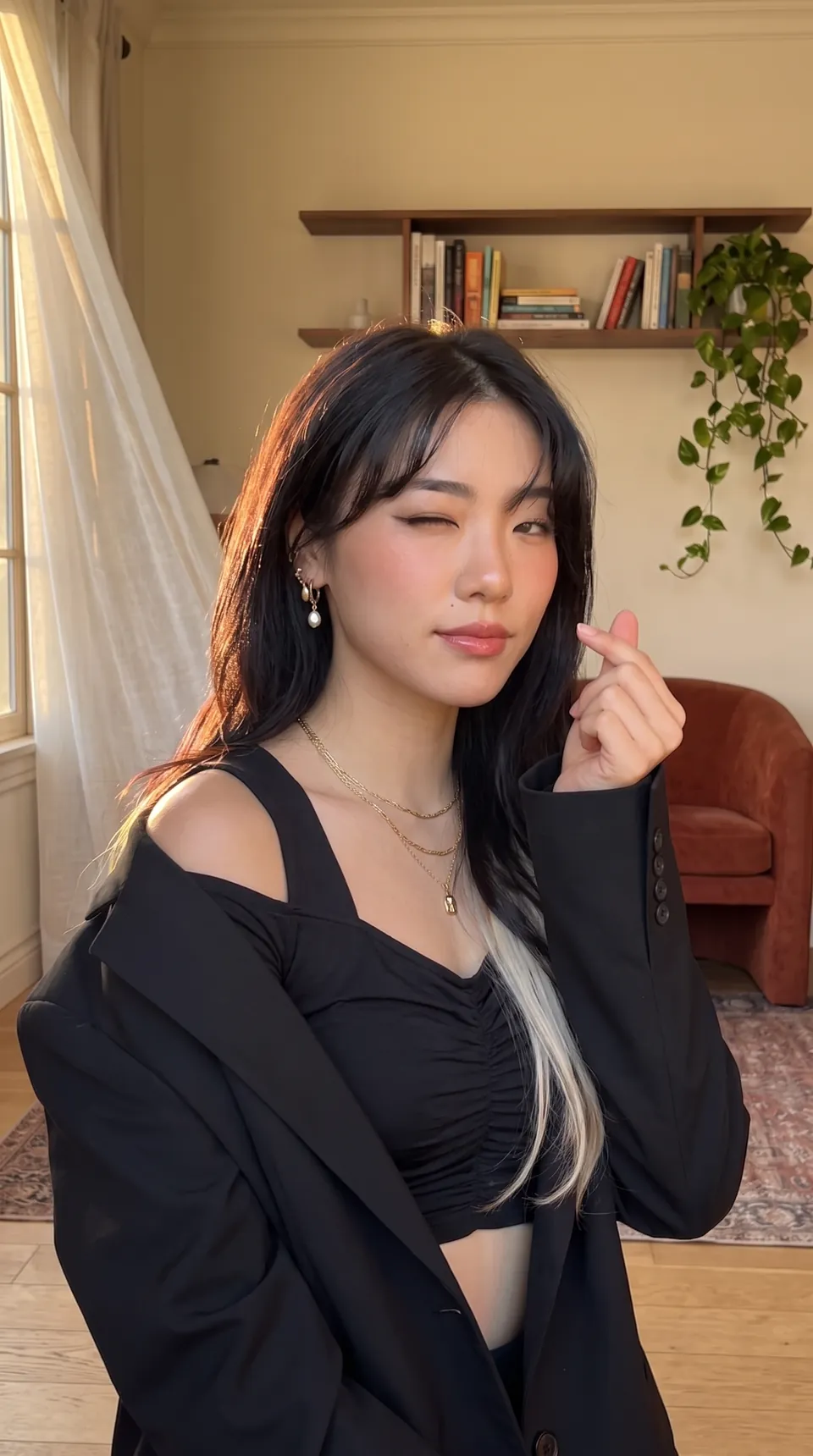
The checker said not her at 0.435. I said it was her, so the threshold moved to 0.40: the instrument is calibrated on my eye.
How It Evolved
- May The self-check lived inside each script.
- Aug 2
gate.pyandprompt_check.py. - Aug 26
regress.py: the system remembers what good looked like. - Sep 6 Four laws found never running while the gate said all clear.
- Oct 2 The whole gate runs on the Mac: 39 of 45, then 45 of 45.
- Oct 25 Goldens, the layout probe and the law checker; blind reviews of every direction.
Laws It Obeys
A199A checker earns trust by proving it can fail.A406bA check that is never invoked is not a check.A399A green gate is not a verdict. Look before you claim.
Stage 11 of 11
Publishing and Learning
Since October 25 an approved Reel lands in one folder with its caption, title and cover, and I post it by hand to Instagram, TikTok, YouTube Shorts and Facebook.
Claude drafts the caption as a search surface: a keyword-led first line under 100 characters, an idea the voiceover does not say, two asks, five hashtags at most, no dashes.
The numbers feed back into the law: the month-one analysis became the hook patterns and a ban on corporate words.
- caption rules (A181)
- platform analytics
- MONTH-1 analysis
- reel2.py post
- the ready-to-post folder
- Month one
- 17,042 views from 0 followers
- Best retention
- 90.2 %
- Caption
- 400 to 700 characters
- End card
- exactly 1.20 s
- Apps
- four, posted by hand
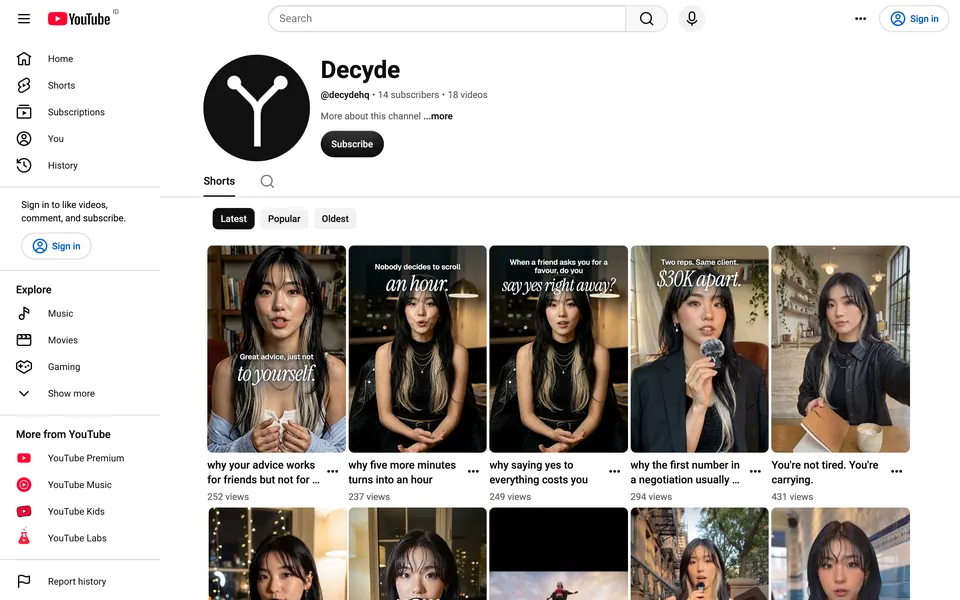
The channel on desktop, captured logged out on October 24, 2026.
How It Evolved
- Month 1 One short caption for all three platforms.
- Jun 14 The month-one analysis: hook patterns and the corporate-word ban.
- Aug 1 A181: the caption becomes a search surface.
- Oct 25 One folder to post from; it refuses a Reel without my recorded approval.
- Oct 28 Four apps by hand; auto-posting was researched and I said no.
Laws It Obeys
A181The caption is a search surface and must not repeat the Reel.A78Three hook patterns: recognition, declaration, open question.A79No corporate words in the title, the first five hook words or the yellow words.
A Reel, Start to Finish (Since the Rebuild)
This is the path since October 25, for a Reel on a gallery Mira. My hands are on six steps: pick, say go three times, approve, post. Everything between them is code that checks itself.
System work and every preview cost 0 credits. A Reel costs its mouth, a few pictures and its voice: about 41 Higgsfield credits and 900 ElevenLabs characters on the play-along Reels, roughly $2.
- I pick the topic from three researched pitches, and Mira from one picture of the gallery takes.
- Claude writes the script in plain words; voice_check refuses the paid voice until it passes.
- Free preview reel2.py build with a stand-in voice and the gallery take: the whole Reel for 0 credits. I watch and steer.
- Voice, after my go tts2.py makes five takes on one budget; voice_pick.py picks one; its word timings become the clock.
- Pictures, after my go two to four cut-in pictures at 0.25 credits each, graded to our paper.
- Mouth, after my go line 1 is lip-synced onto the approved take first; I look; then lines 2 and 3.
- One command reel2.py renders with Remotion and masters to -14 LUFS; the layout probe and the goldens check it.
- I watch and approve with sound, on my phone. My words go into the spec as the approval.
- reel2.py post the video, caption, title and cover land in one folder, and I post to four apps by hand.
Eight Eras in Five Months
It began as a chat that made short clips of an AI presenter and a fresh After Effects script for every Reel. Every failure became a rule, the rules became gates, the gates became code, and the code became a studio. Then, on October 24, I reset the look, and in four days the rebuilt system made nine Reels.
The Launch: A Face, a Mic, Black Text Cards
Mira, a photoreal AI presenter, talks into a small foam mic that hides her mouth, in 4-second clips cut against black kinetic text cards. I recorded every voice, Claude wrote a fresh After Effects script for each Reel, I ran it, asked for fixes and posted by hand.
- Reel 1 failed five ways at once: identity in about 75 % of clips, a script that only did typography, one sound effect, music at -32 dB, dense scripts.
- v3 locked the format the same day: one anchor photo, short seedance clips, text bridges, about 42 credits per Reel.
- Nine Reels posted in month one: 17,042 views from zero followers.
we still play with solid layer and text animation remember.(Rido)


The Canon and the Walls
The same look, now built from a written Mira canon: one identity reference in every prompt, outfit cards, 28 named expressions. Claude started writing the scripts from my briefs. Then Reel 17 hit the wall that an earlier Reel had already explained.
- July 17: a stranger's face four times out of four, 104 credits lost, a lesson Reel 2 had learned for 0.48.
- Within three days: hard blocks, a character library and a spending protocol. No table in chat, no spend.
- July 30: the repo moved into git; the first rules became code the next day.
why the face, fashion, and everything become so different?(Rido)
Checkers and the Emitter
122 commits in 11 days. Whisper became the clock, one command emitted a whole After Effects project from a voice take, a synthesized sound kit replaced the library, and the gate grew to 25 stages with checkers proven able to fail. August 2 was the last post.
- 15 forked editor scripts, only 19 % alike, became one golden master plus emitters.
- Measured on August 16: 31 system versions, 2 Reels shipped. The pipeline contract rationed system work.
- The first real After Effects run of the shared engine exported 14 of 30 seconds as black screen.
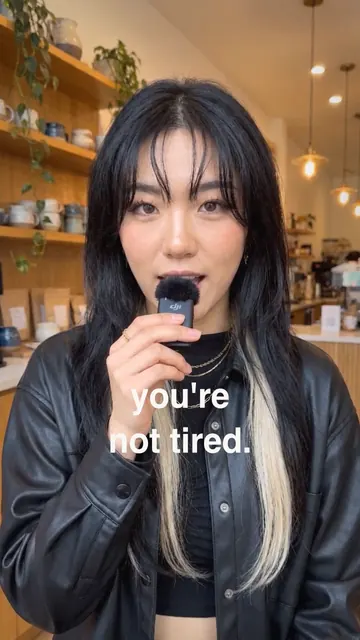
i'm tired of this, i don't even know what we're doing, the loops never end.(Rido)
The Studio: Drawn Explainers, Luna, a Mouth That Matches
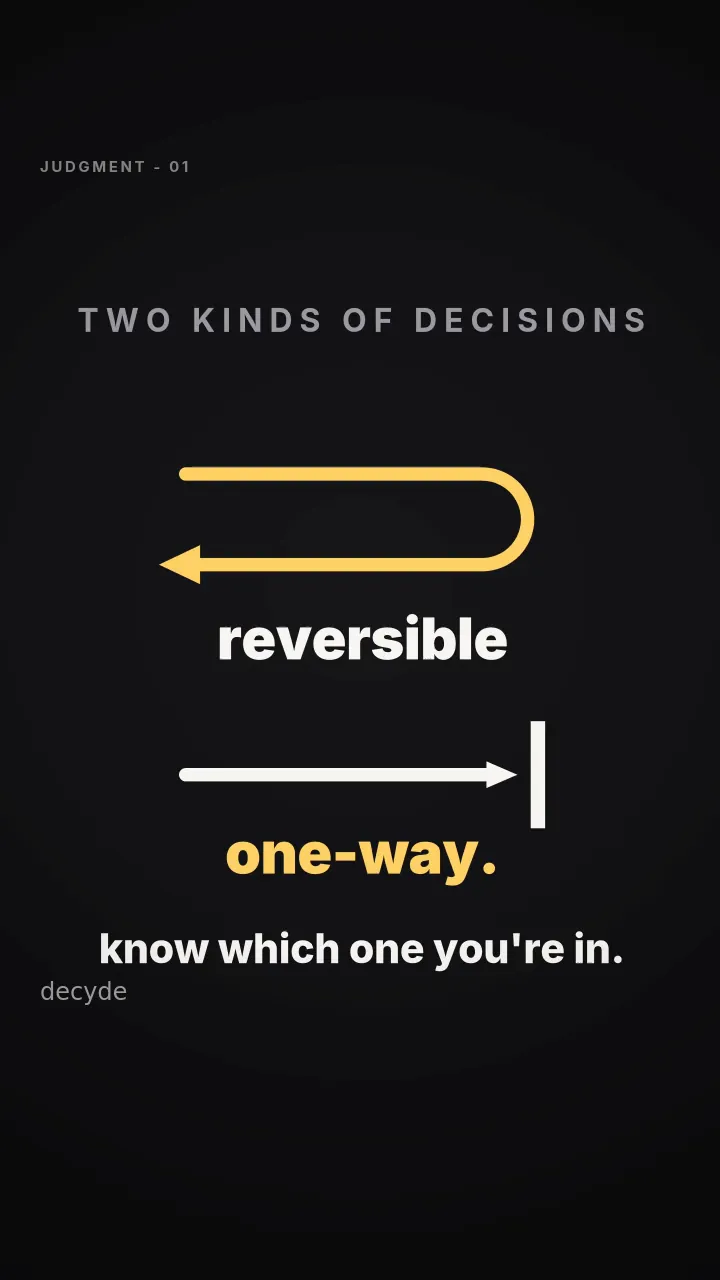
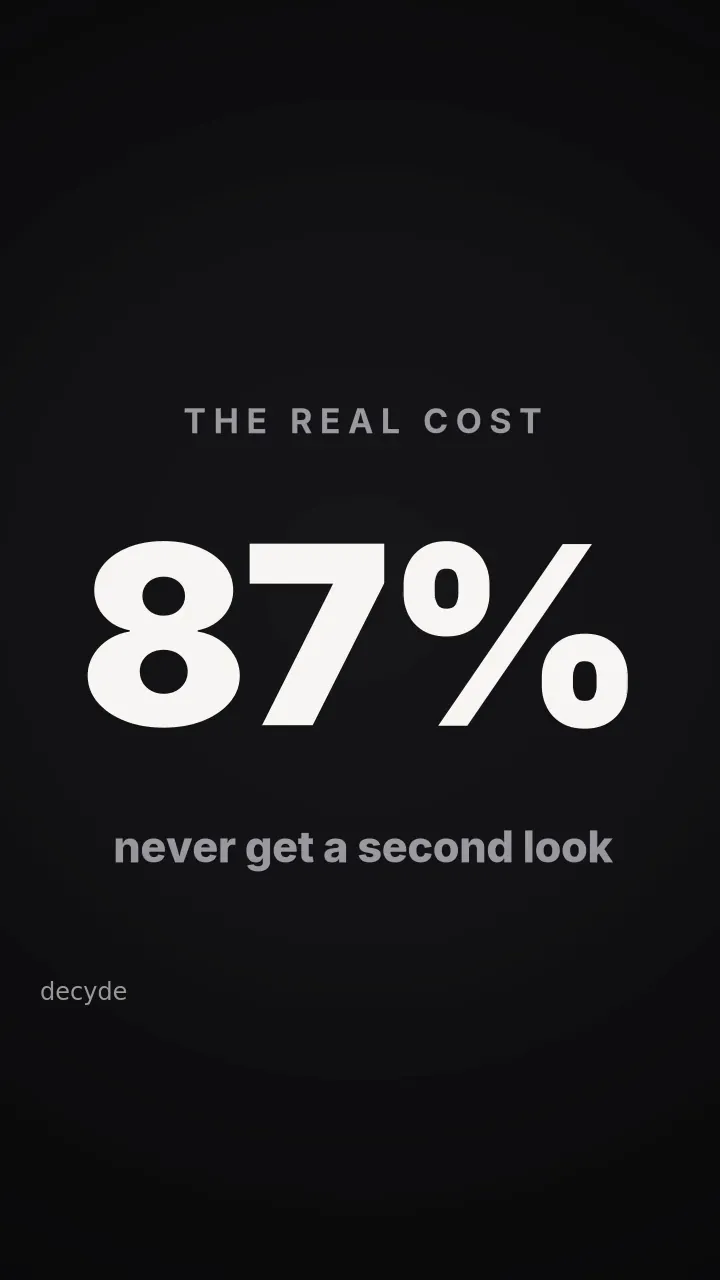
When I asked where the motion graphics were, the answer was a studio: a Remotion design system with a hand-drawn pen, a compiler that turns words into seconds, a story grammar, a second presenter, and on September 2 a mouth that finally says the script.
- 78 commits in one day (September 1): the pen, the grammar, the compiler, face_check and Luna.
- Lipsync stopped being a prompt problem: probe p 0.37 to 0.00, receipts or no render.
- The first viewers found the minute-long cut boring: back to 30 seconds.
the most important and essential aspect is to make sure the footage talk video is match with the VO.(Rido)

The Bridge Into After Effects
The agent could drive After Effects but not see it. So it built a panel inside AE that answers back. On September 24 an emitted Reel built itself inside my After Effects for the first time, and exposed a crash every gate had missed.
- Mira's identity re-anchored: her own genesis prompt returned a stranger at 0.168; her raw anchor picture won.
- A probe run in my After Effects showed the emitter could not set a single font.
- Reference Reels measured frame by frame, behind guards, numbers only.
you do end to end, perhaps from the background, while i do anything else.(Rido)


The Motion Seat and the World Grammar
A second seat opened: Claude Code on my Mac, for motion. It built 15 motion primitives that convert to native After Effects shapes, fixed time that was rounded in four places, ran the whole gate on the Mac, and rebuilt a measured reference grammar in our own ink.
- 15 fx primitives, 11 of them native AE shape layers, proven against a strict offline mock.
- The AE project now follows each board's own clock, cues and music fade.
- A month of credits went unused: the output had not yet earned my trust.
be more creative - add animations, cool graphics that you create with svgs or whatever(Rido)
The Reset
I watched the newest previews and rejected the look: unrelated metaphors, words that repeat the voice, colours off the Decyde brand, a hard cut out of Mira. That evening three art directions were built on the brand book and judged by blind reviewers. I picked A, the Schematic, with C's compare card as the proof.
- The deliverable became the finished mp4 from our own renderer; After Effects turned optional.
- The voice moved to the ElevenLabs API, behind my go.
- By 22:32 one command built a Reel from a spec. By 05:52 the next morning the first Reel of the new lane was approved.
we dont need after effect anymore if you can build your own version(Rido)
The Rebuild: Nine Reels in Four Days
A gallery of approved Mira takes, a mouth bought instead of a clip, a design system built in one evening, a voice the AI picks, and a drawn stage for every idea. Nine Reels were approved in four days; in five of them the viewer plays along.
- Cost per Reel: about 98 credits for new clips became 37 to 54 for the mouth alone.
- Viewers' notes were measured before they were fixed: a blurry Mira, quiet music, pictures too small to notice.
- October 29: a 50 to 60 second cinematic format prepared, and hand-coloured etchings approved as the picture style.
be much more creative like how you make art(Rido)
Who Did Each Stage, Era by Era
Media stages that spend money stayed with me or behind my go the whole time. Assembly went from my hands to code in August and September. After the October rebuild the voice moved from my microphone to the API behind my go, and assembly became one command. Publishing never automated.
| Stage | 01 May | 02 Jun-Jul | 03 Aug | 04 Studio | 05 Bridge | 06 Motion seat | 07-08 Rebuild |
|---|---|---|---|---|---|---|---|
| Research | AI + me, behind my go: adapted from short videos | AI + me, behind my go: a brief, then Claude | AI + me, behind my go: course library drafts | AI + me, behind my go: library + story gate | No change: no new topic | No change: no new topic | AI + me, behind my go: Claude pitches three, I pick |
| Script | By hand: I write or trim | AI + me, behind my go: Claude writes, I edit | AI + me, behind my go: anti-AI-tone rules | AI + me, behind my go: budget at her pace | No change: reused | No change: reused | AI + me, behind my go: plain-language gate |
| Voice | By hand: ElevenLabs app | By hand: ElevenLabs app | By hand: API closed | By hand: Laura and Claire | No change: reused takes | No change: scratch voice | AI + me, behind my go: API, five takes, the AI picks |
| Timing | AI + me, behind my go: Whisper + hand chunks | AI + me, behind my go: Whisper + hand fixes | Automated: the voice is the clock | Automated: the compiler | Automated: karaoke on stamps | Automated: board clock into AE | Automated: ElevenLabs word timings |
| Presenter images | AI + me, behind my go: one locked anchor | AI + me, behind my go: canon + my approval | AI + me, behind my go: library + prompt gate | AI + me, behind my go: looks + face_check | AI + me, behind my go: re-anchored | No change: none | AI + me, behind my go: a gallery pick, or a new Mira by recipe |
| Presenter video | AI + me, behind my go: 4 s seedance clips | AI + me, behind my go: 4 to 8 s, fitted | AI + me, behind my go: four-clip budget | AI + me, behind my go: from the voice | No change: reused | No change: none | AI + me, behind my go: seven reused takes |
| Lipsync | No change: mic over the mouth | No change: mic foam | No change: "unfixable" | AI + me, behind my go: sync_so + receipts | No change: reused clips | No change: none | AI + me, behind my go: mouth only, behind my go |
| Motion | AI + me, behind my go: type in each script | AI + me, behind my go: phrase bursts | Automated: motion lab | Automated: Remotion pen + cast | AI + me, behind my go: bespoke scenes | Automated: fx toolkit + world | AI + me, behind my go: a stage per Reel on one contract |
| After Effects | AI + me, behind my go: a script per Reel, I run it | AI + me, behind my go: copy the last one | Automated: emitter | Automated: board to AE | Automated: built via the bridge | Automated: native shapes (offline) | No change: optional: one command renders |
| Sound effects | AI + me, behind my go: library, per moment | AI + me, behind my go: library, per moment | Automated: synthesized kit | Automated: bound to entrances | Automated: measured | Automated: the board's own cues | Automated: registry, set by peak |
| Music | AI + me, behind my go: library at -7 dB | AI + me, behind my go: levels measured | Automated: resolved by name | Automated: level from the board | Automated: unchanged | Automated: fades before the closer | Automated: a CC0 bed shaped for phones |
| QA | AI + me, behind my go: self-check in the script | AI + me, behind my go: preflight echo | Automated: gate: 25 stages | Automated: gate: 45 + receipts | Automated: AE probe, guards | Automated: 45 of 45 on the Mac | Automated: goldens, layout probe, my watch |
| Publishing | By hand: I post on three platforms | By hand: I post | By hand: Aug 2: the last post | No change: none | No change: none | No change: none | By hand: four apps by hand |
Rebuilt in Five Days
On October 24 I rejected the look the system had grown into. Ten hours later the first Reel of a rebuilt system was approved, and by October 28 there were nine. This is what changed, and what it cost.
Five Days, Step by Step
Every step below is a commit in the repo, with my words recorded in its amendment. 104 commits from the reset to October 29.
- Oct 24 · 19:16 The reset (A445) I rejected the look and the hard cut. The deliverable became our renderer's mp4; the voice moved to the API behind my go.
- Oct 24 · 20:48 Three art directions Built on the brand book and scored by blind reviewers. I picked the Schematic.
- Oct 24 · 22:32 One command reel2.py built a whole Reel from a spec, free, on a stand-in voice.
- Oct 25 · 05:52 The first Reel approved Made end to end by our own renderer: the real voice, the mouth only, no After Effects.
- Oct 25 A gallery, a new Mira, a design system Approved takes to reuse; a new Mira from my outfit sheet; the design system's phases 0 to 4 in one evening.
- Oct 26 Three more Reels and a new voice Hook and topic rules from research; Sapphire becomes Mira's voice; viewers' notes measured and fixed.
- Oct 27 Play-along I asked for Reels the viewer plays along with. Three were approved that day.
- Oct 28 The money measured, the art redrawn Two more Reels; the real ElevenLabs bill audited; two-trips redrawn as a world.
- Oct 29 The next format A 50 to 60 second cinematic format prepared, and hand-coloured etchings approved.
One Reel, Three Art Directions
The same story told three ways on the Decyde brand book, built and judged in one evening. Two blind reviewers who never saw the script read all three correctly. C stated the lesson most clearly, A looked the most premium. I built A and borrowed C's compare card.
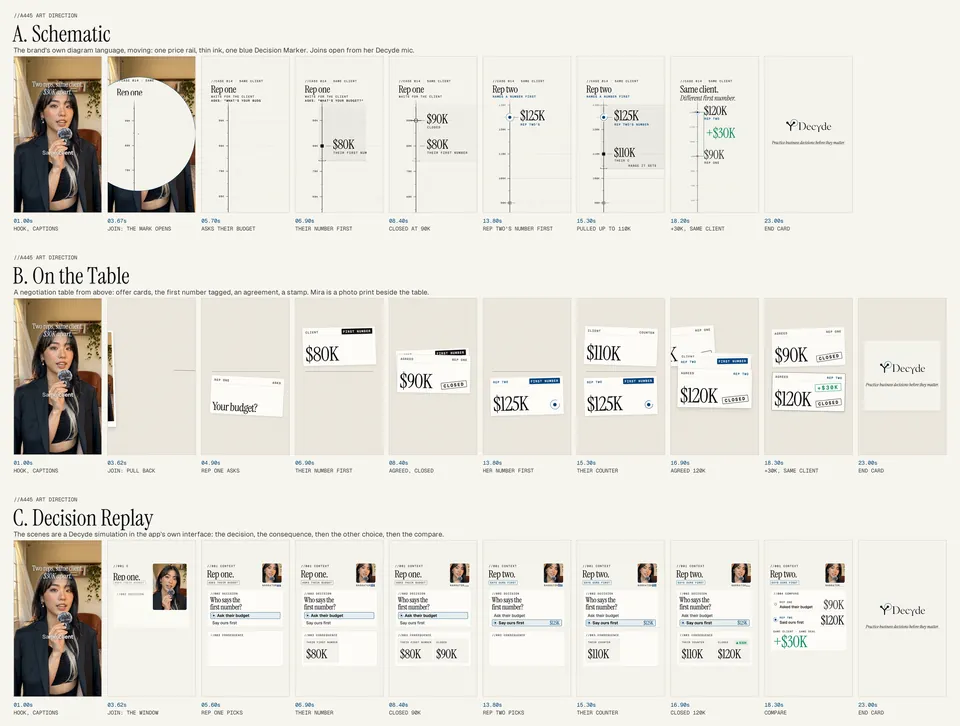
A Schematic, B On the table, C Decision replay. Tap to see it large.
Play Each Direction
The three tests, 24 seconds each, on a stand-in voice and an old take: 0 credits.
PreviewA, Schematic (Picked)
PreviewB, On the Table
PreviewC, Decision Replay
One Lesson, Three Systems
The same negotiation lesson, the first number sets the deal, as each system told it: September's hand-drawn dry run on a stand-in, October 10's world grammar that I rejected, and October 25's final on the rebuilt system.
PreviewSeptember: The Hand-Drawn Dry Run
PreviewOctober 10: The World Grammar
PostedOctober 25: The Rebuild
From a Spec to a Finished Reel
A Reel is a spec that names words, never seconds. reel2.py builds it: the voice, the word timings, the timeline, the render in Remotion, and a master to streaming loudness. The same command makes the free preview on a stand-in voice, so I see the whole Reel before anything is bought.
After Effects went from the deliverable to optional in one evening. The old code-built lane still passes its 45-stage gate; none of the nine new Reels needed it.
python3 jsx-rules/reel2.py check  wait-a-month   # names every fault before anything is bought
python3 jsx-rules/reel2.py build  wait-a-month   # voice, clock, render, master: one mp4
python3 jsx-rules/reel2.py post   wait-a-month   # only after my recorded approval
The three commands a Reel needs once its script and spec exist.
Watch It Whole, Then Pay
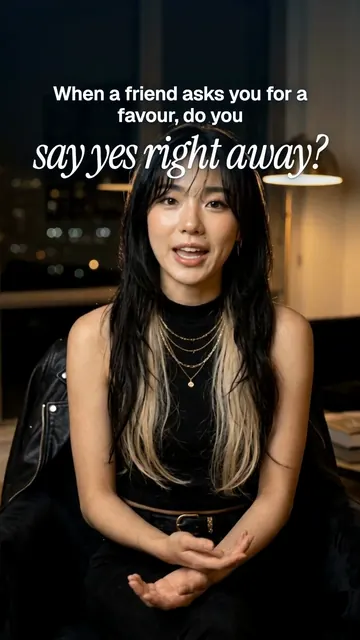
Before any paid step, the same command builds the whole Reel on a stand-in voice and a gallery take, for 0 credits. Her mouth does not match yet and the voice is a placeholder, but the stage, the timing, the captions and the sound are all there.
I watch it and give notes, and only then say go to the three paid steps: the voice, the pictures and the mouth. Every credit is spent on a Reel I have already seen.
 0 credits
The Free Preview, on a Stand-In Voice
PostedThe Reel as Posted
every-yes: the preview of October 25, then the Reel I approved on October 26.
Reuse the Take, Buy Only the Mouth
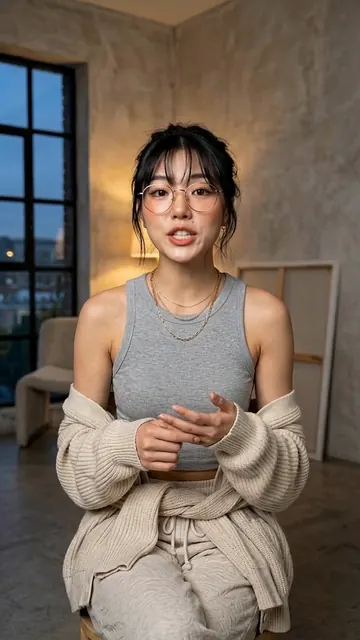
Making new talk clips for every Reel was the cost and the risk: the face could drift in any of them. Now an approved take is lip-synced onto any new script, priced per second of her talking, line 1 first so I can stop before the rest.
A take enters the gallery only with my words, a face match over 0.50 and steady framing. Seven takes carried nine Reels; a new Mira is made only when I ask, and its recipe fell from 141 to 54 credits in three days.
 Plate
Before: The Approved Take
 Synced
After: Synced and Sharpened
One line of two-trips: the same 3.7 seconds of take, before and after its mouth was synced to Sapphire's voice.
Five Takes, and the AI Picks
The voice used to be me in the ElevenLabs app. Now it is the API, behind one go a Reel: five takes on one budget, a word-exact transcript check, and a score calibrated on the only two picks I ever made. It reproduces both.
Then I audited the bill. The account's own history showed ElevenLabs charges 0.40 of the characters our scripts count, the same ratio four times out of four. The voice budget turned out to last far longer than we planned for.
Oct 26The First Reel in Sapphire
own-advice was voiced twice: in Laura, then in Sapphire after I called the first take flat.
Built in One Evening, Without Moving a Pixel
I asked for a design system rich enough that every next Reel is easy, consistent and on brand. It came in five phases: tokens as roles, a motion language, 31 primitives in nine families, 16 components and one stage contract.
Each phase had to leave the approved Reel identical: 29 golden stills compared after every step, and timelines rebuilt byte for byte. Text is measured from the font files themselves, within 0.5 % of the browser, and a probe checks every line against Instagram's own buttons.
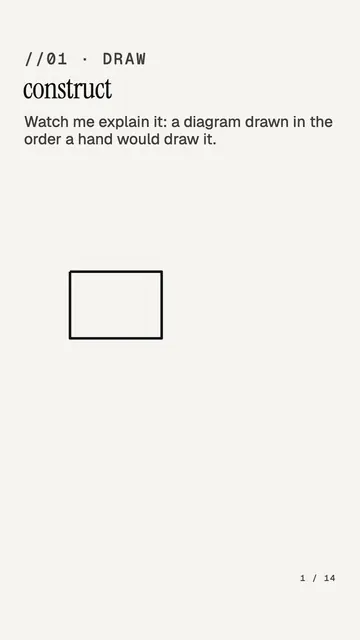
The primitives reel: fourteen pieces at work, each named. 23 seconds, rendered in about 25.
Every Check Leaves a Picture
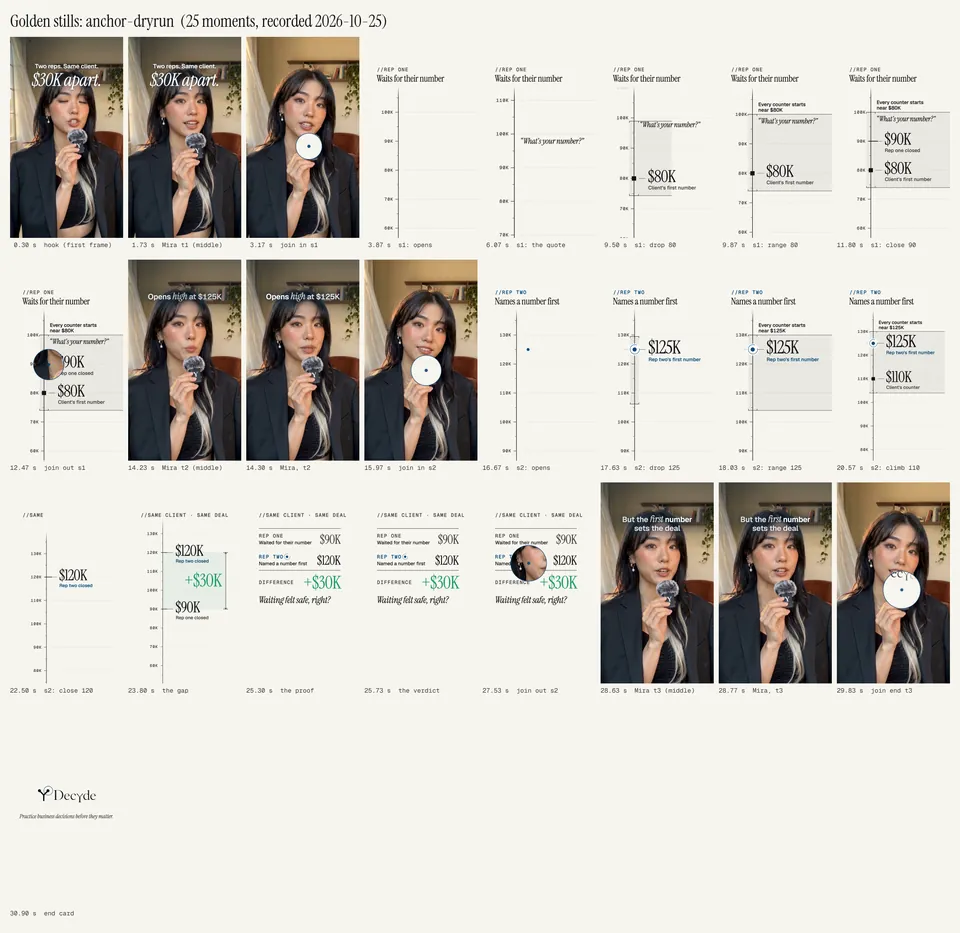
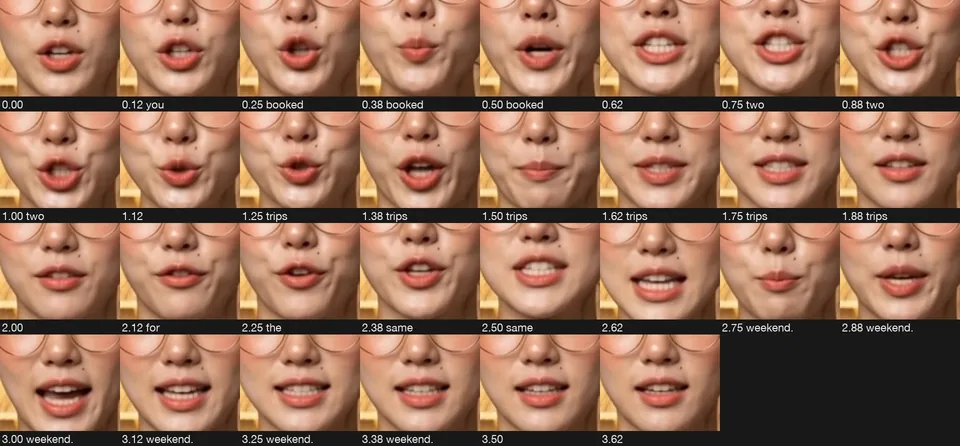
I judge by eye, so every check leaves something to look at. Golden stills guard the approved Reel: change the renderer, move one pixel of these moments, and the check fails. The mouth sheet shows her lips every eighth of a second with the word under each frame; when the lip-sync checker cannot judge, the sheet decides.
The numbers run first: a law checker with 13 maths proofs, the plain-voice and word-exact voice gates, a layout probe against Instagram's own buttons, and blind reviewers on the frames. Nothing reaches me before they pass.
Viewers Said It. I Measured It, Then Fixed It
People called Mira blurry: the renderer added nothing, the 720p clip did, so a free Apple super-resolution pass runs after the sync instead of paying 2.7 times for 1080p. People could not hear the music: through a phone it sat 16.5 LU under her voice, now 8.9. People missed the pictures: 280 pixels in a corner for 0.8 seconds became 940 by 671 for 1.8.
The first Reel's audience found it too niche, so the scripts went plain. Openings felt flat, so four new openings wait for my pick.
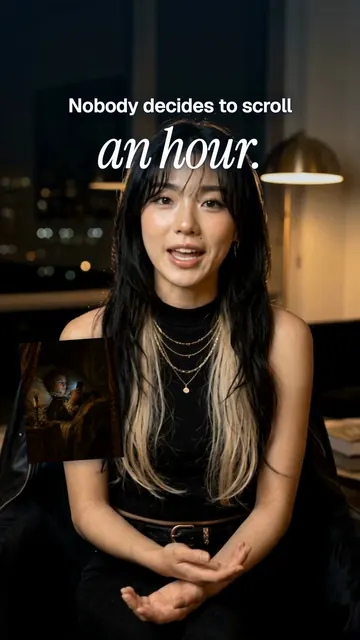 Preview
Before: Pictures in a Corner for 0.8 s
PostedAfter: Big, Under Her Captions, for 1.8 s
scroll-hour: the free preview under the first picture rule, then the Reel as posted after the fixes.
Every Reel Ends on the Logo Drawing Itself
I asked for an animated closing for Decyde, and to be creative. Now the blue Decision Marker that has moved through every stage of the Reel draws the Y of the logo stroke by stroke, the name writes itself, and the line Practice business decisions before they matter appears. 2.4 seconds, in every Reel.
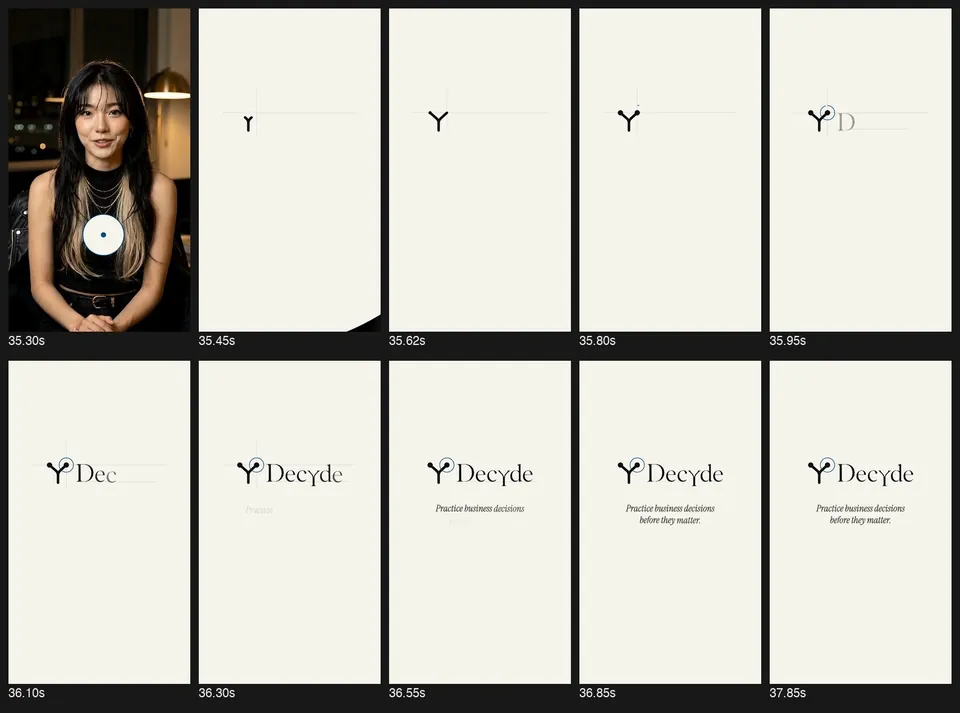
every-yes, the last 2.5 seconds.
The Design System, One Sheet
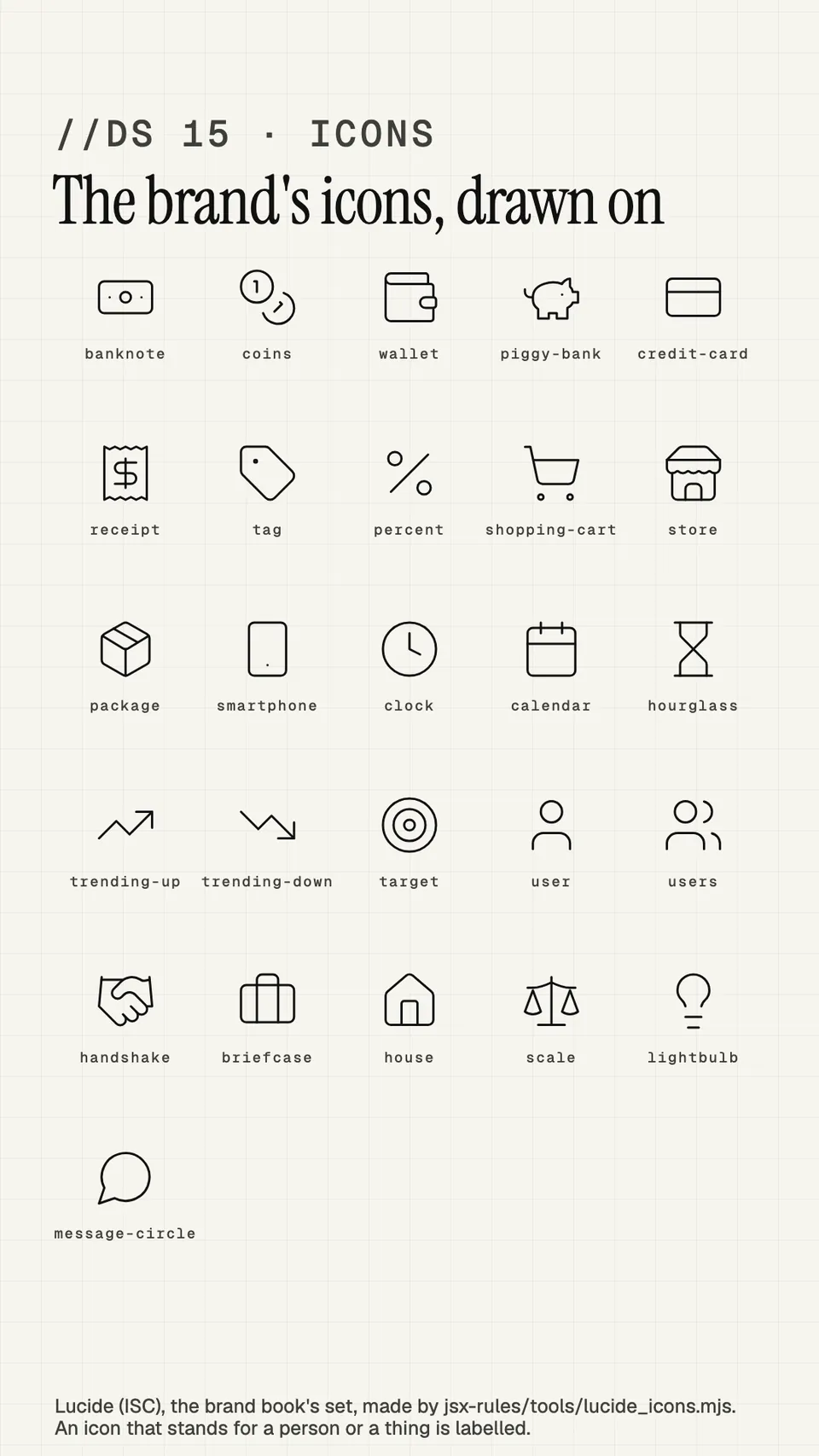
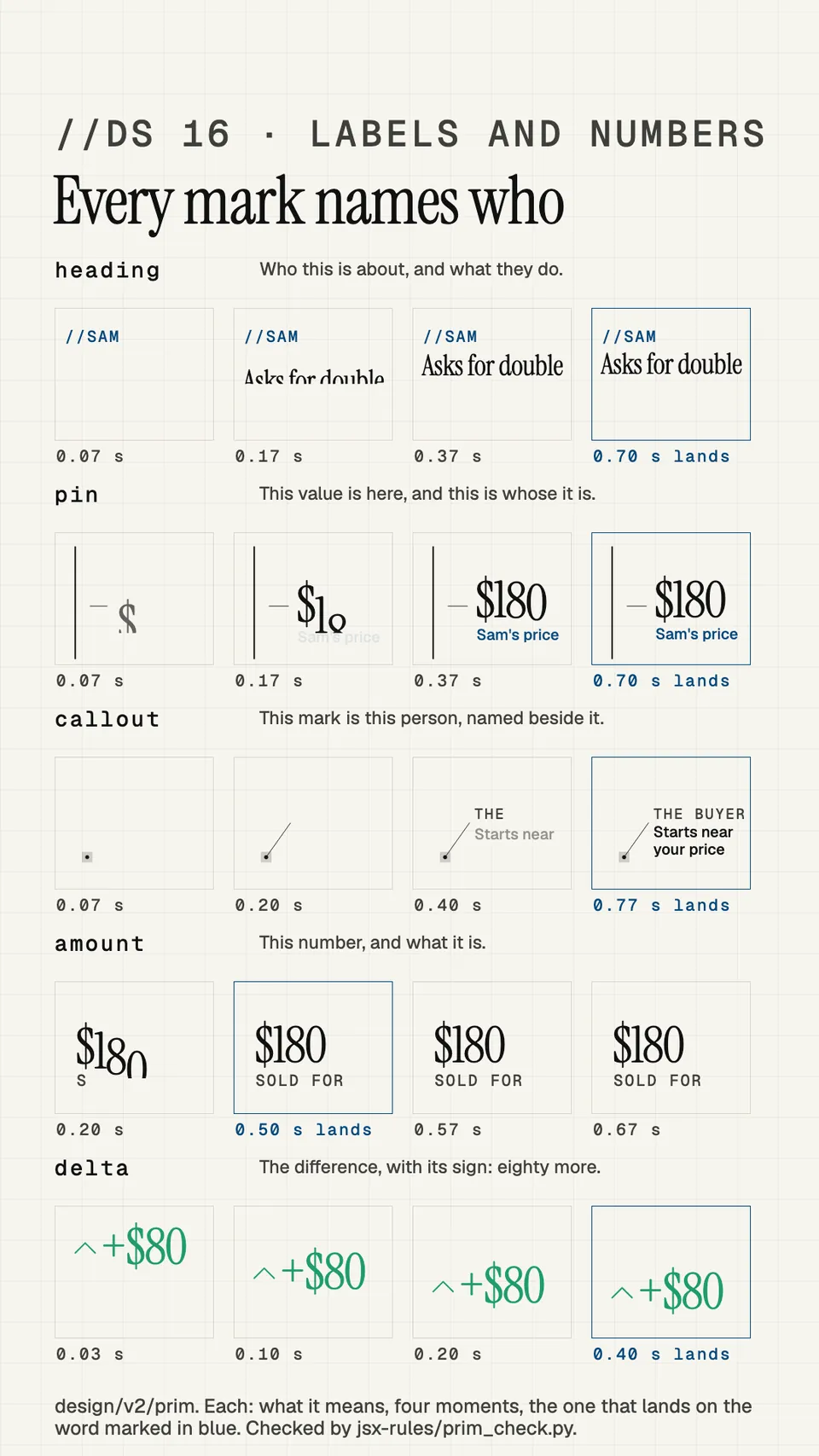
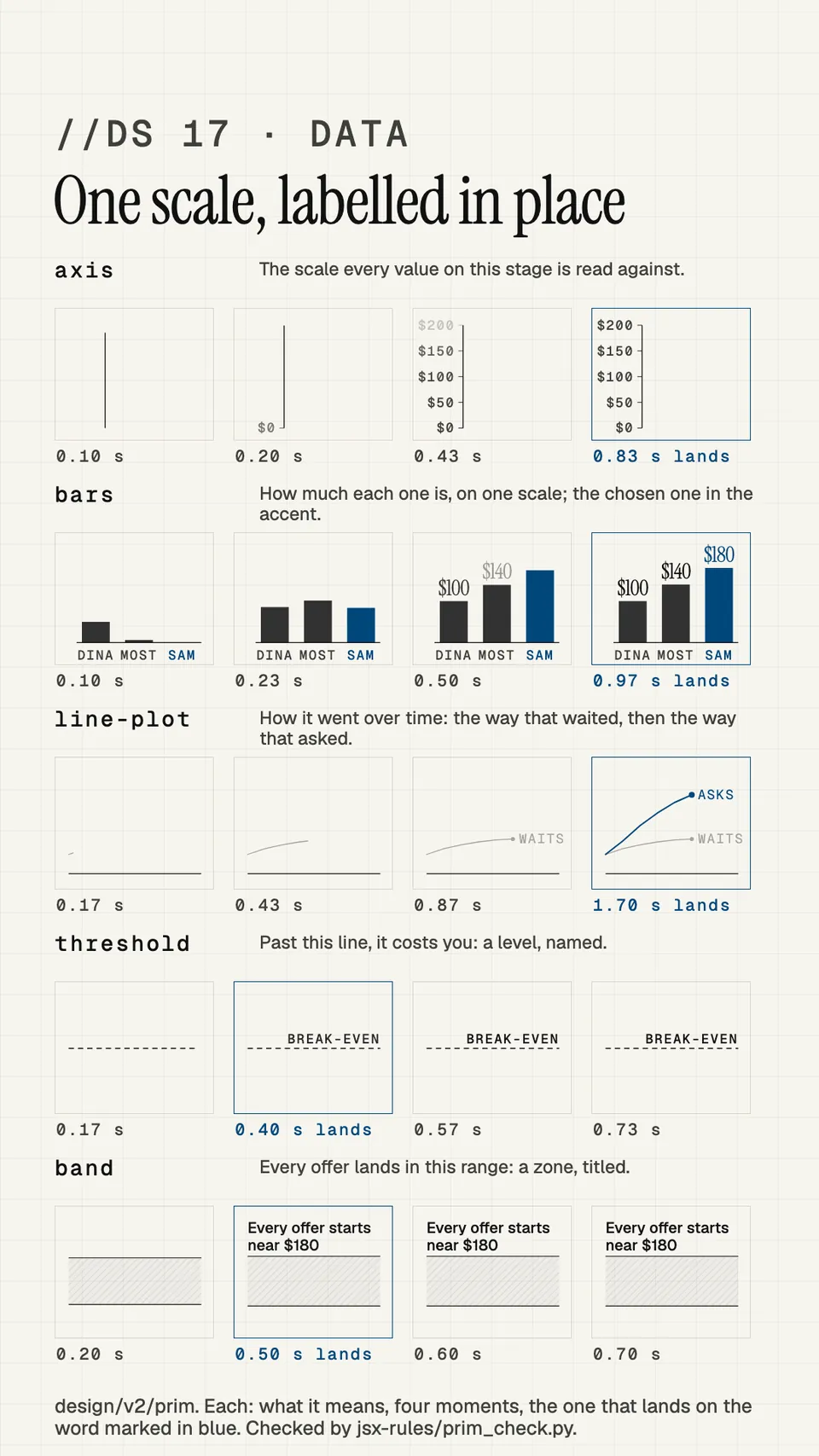
Eight families of primitives on one contract. Each shows four moments and the one that lands on the word, in blue. Scroll sideways.
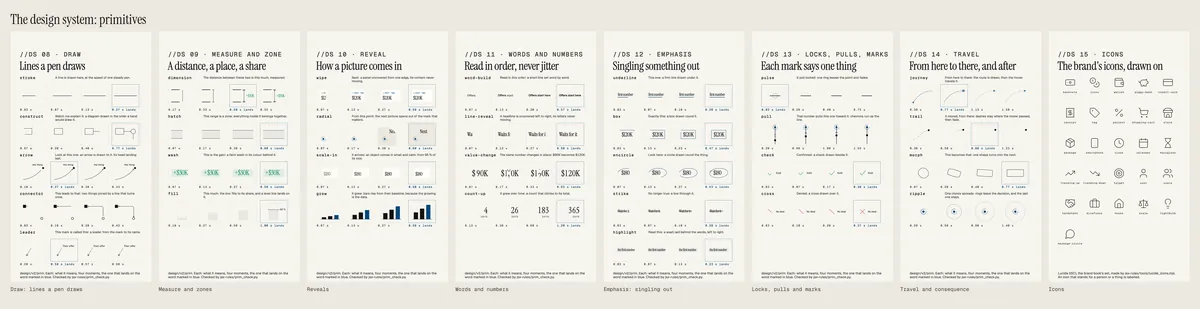
The Catalogue, Page by Page
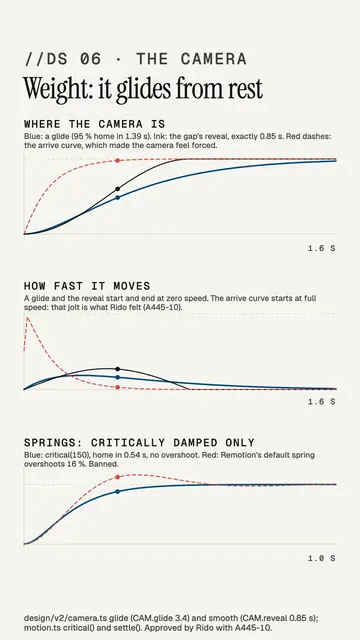
Every page is drawn at phone size from the tokens themselves, so what you see here is what a Reel gets. I told Claude to follow its own recommendations for these pages; the camera and the sound they encode are the ones I approved by watching.
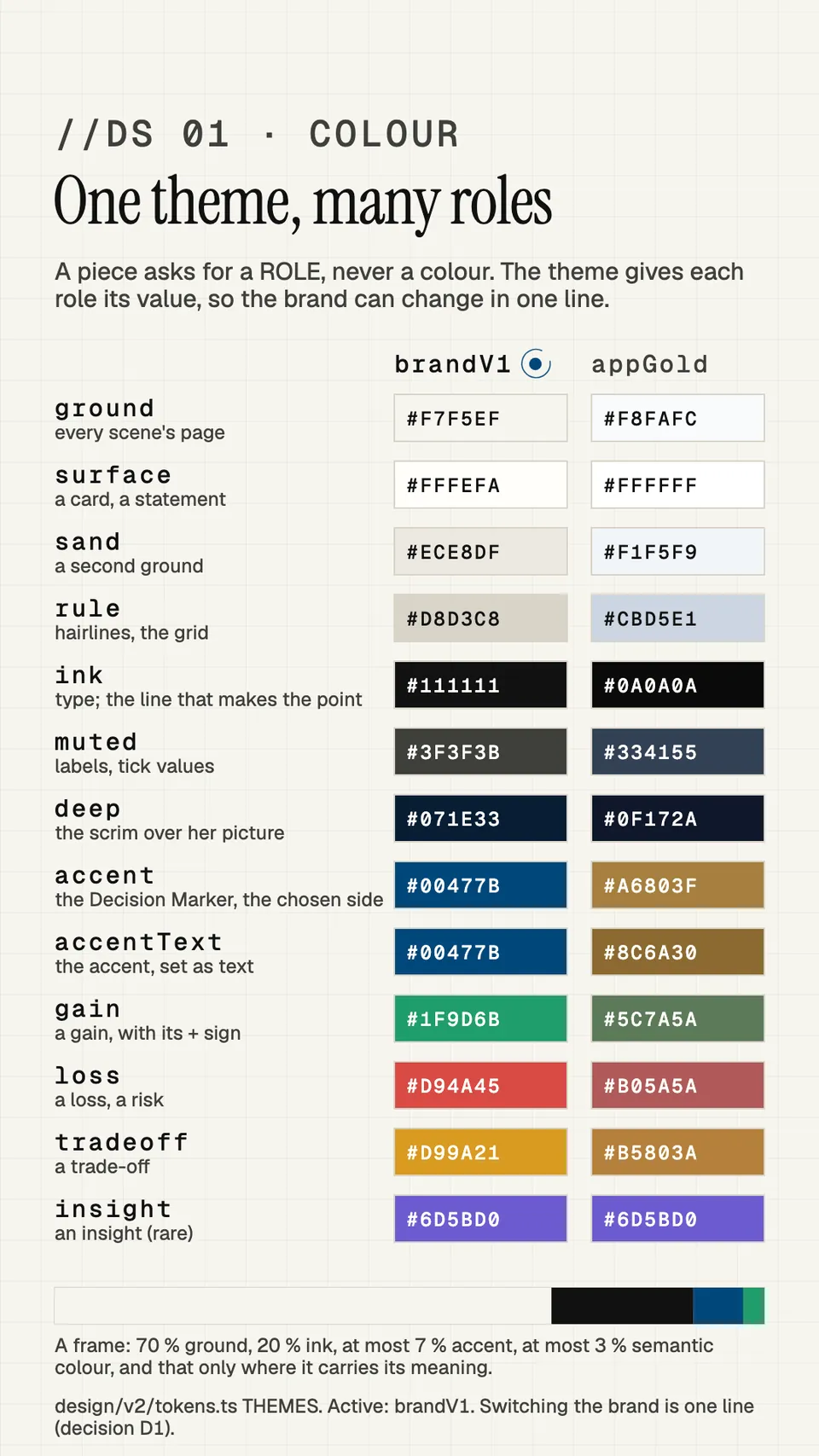
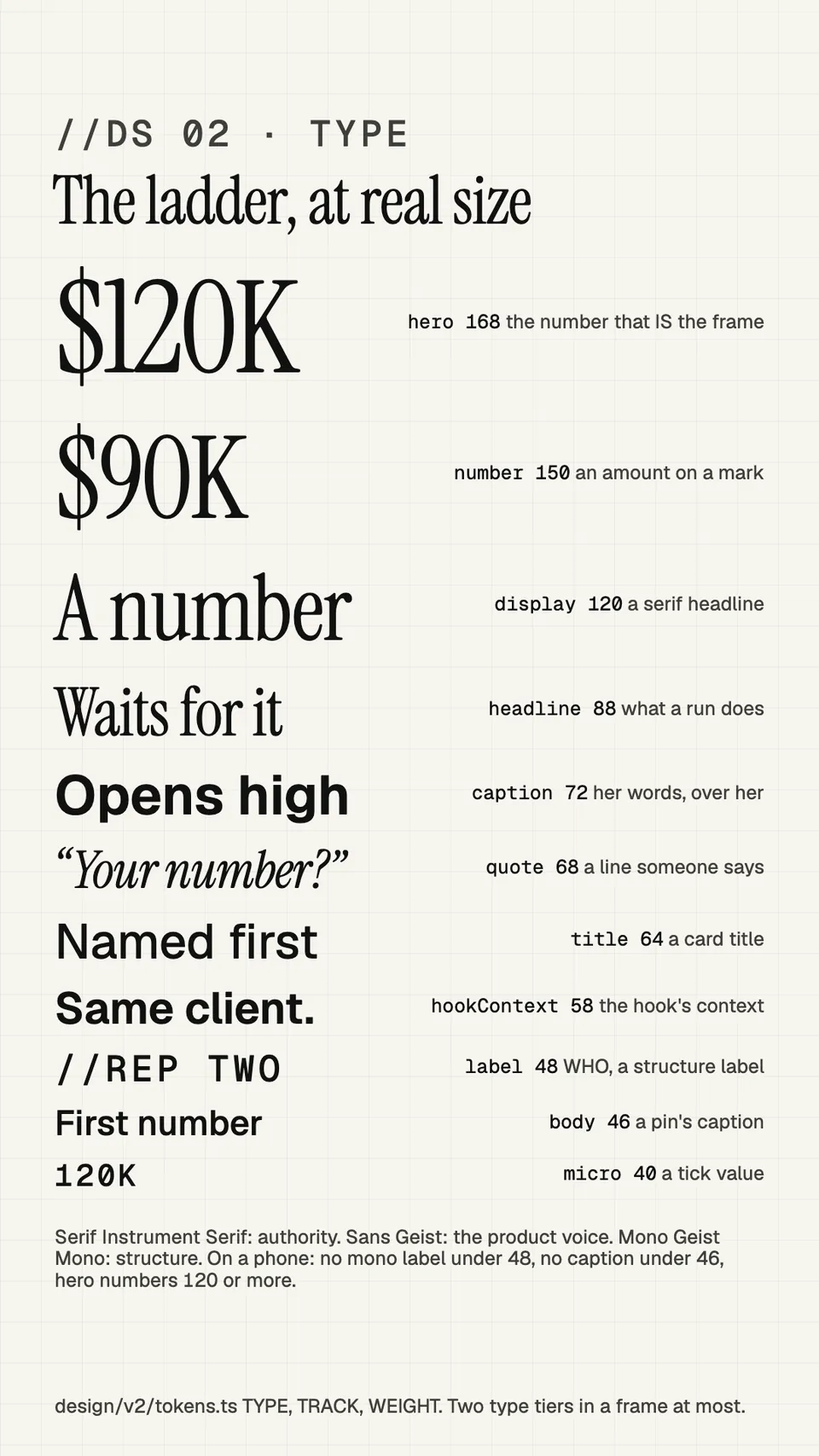
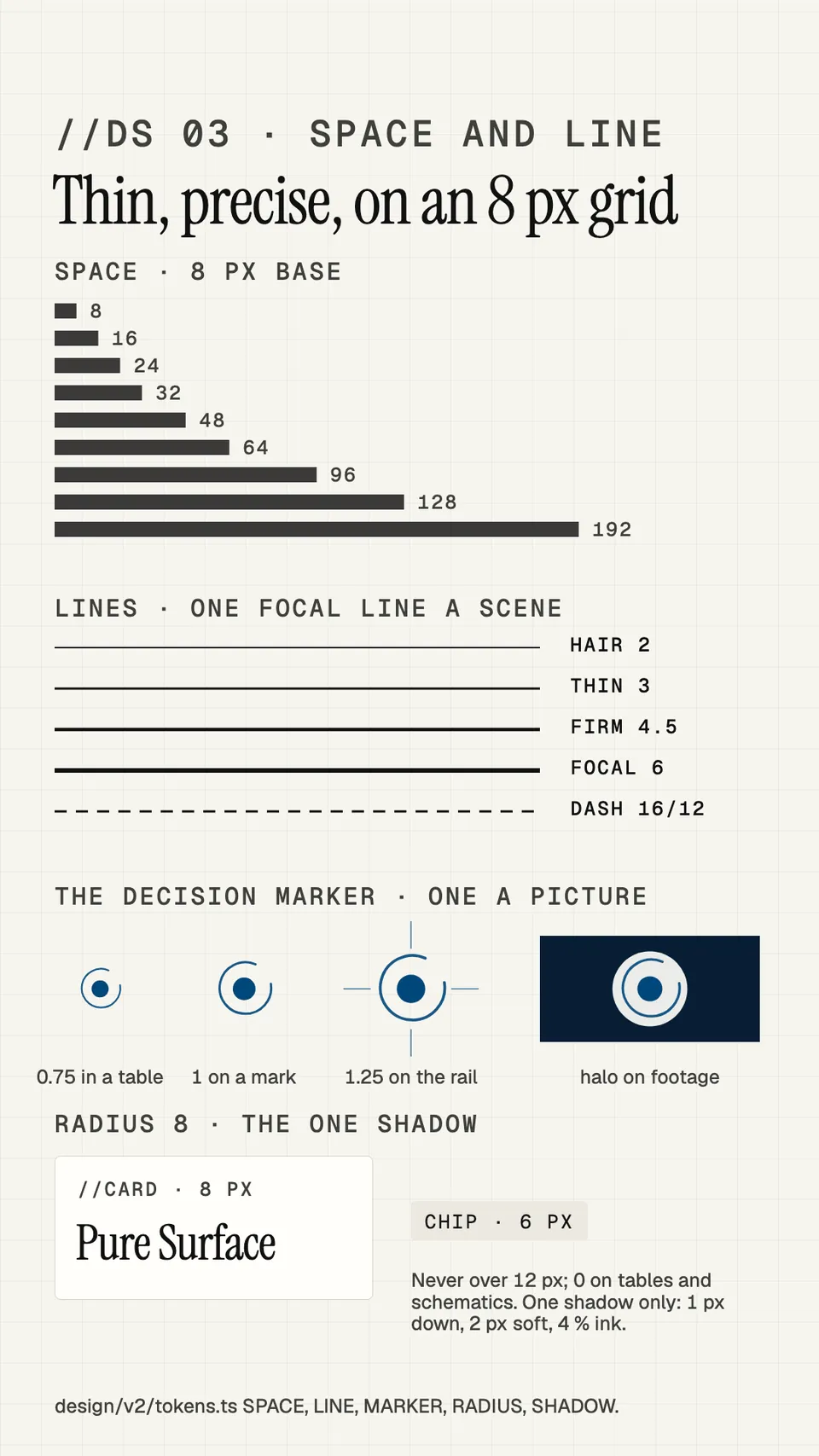
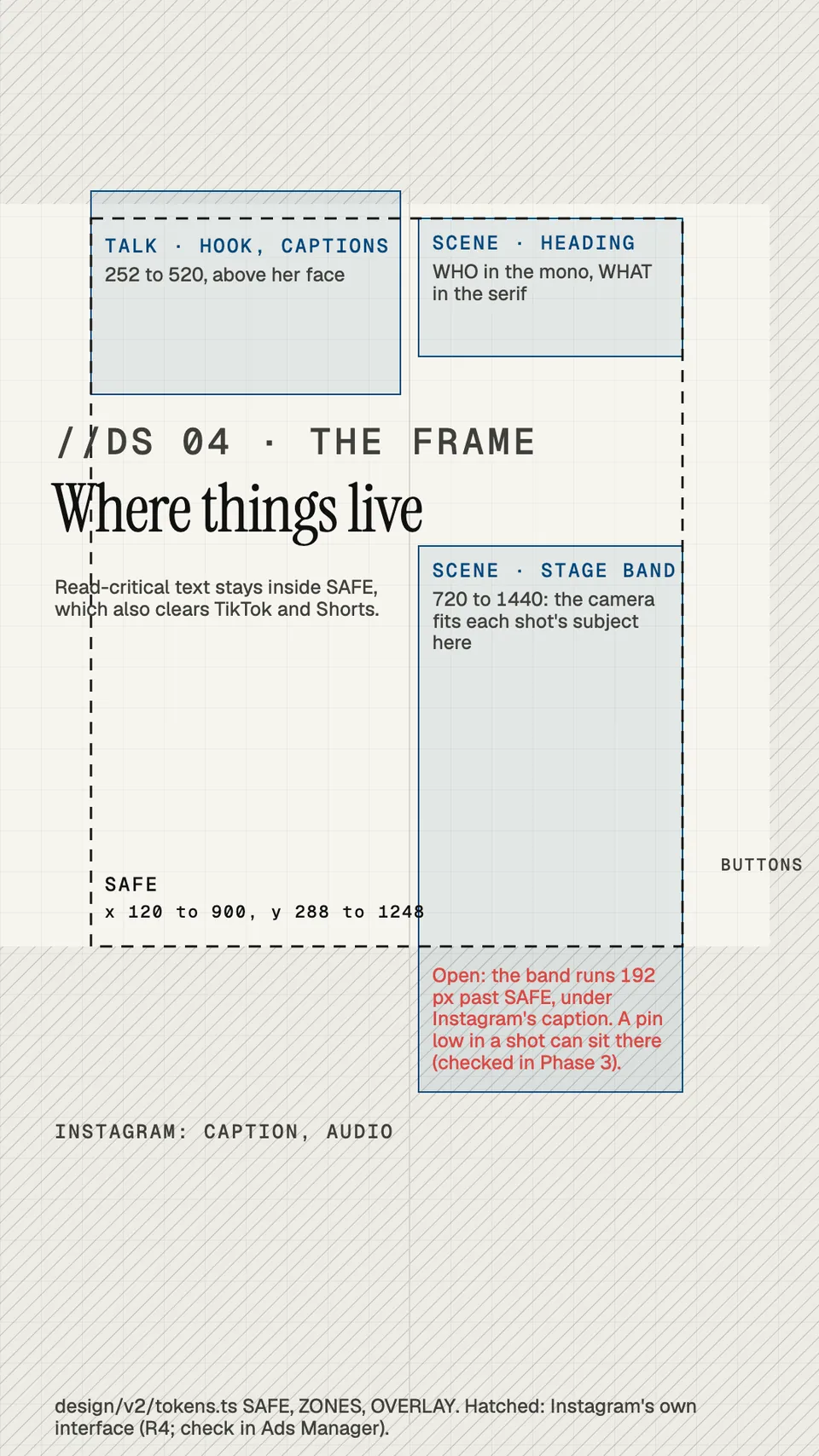
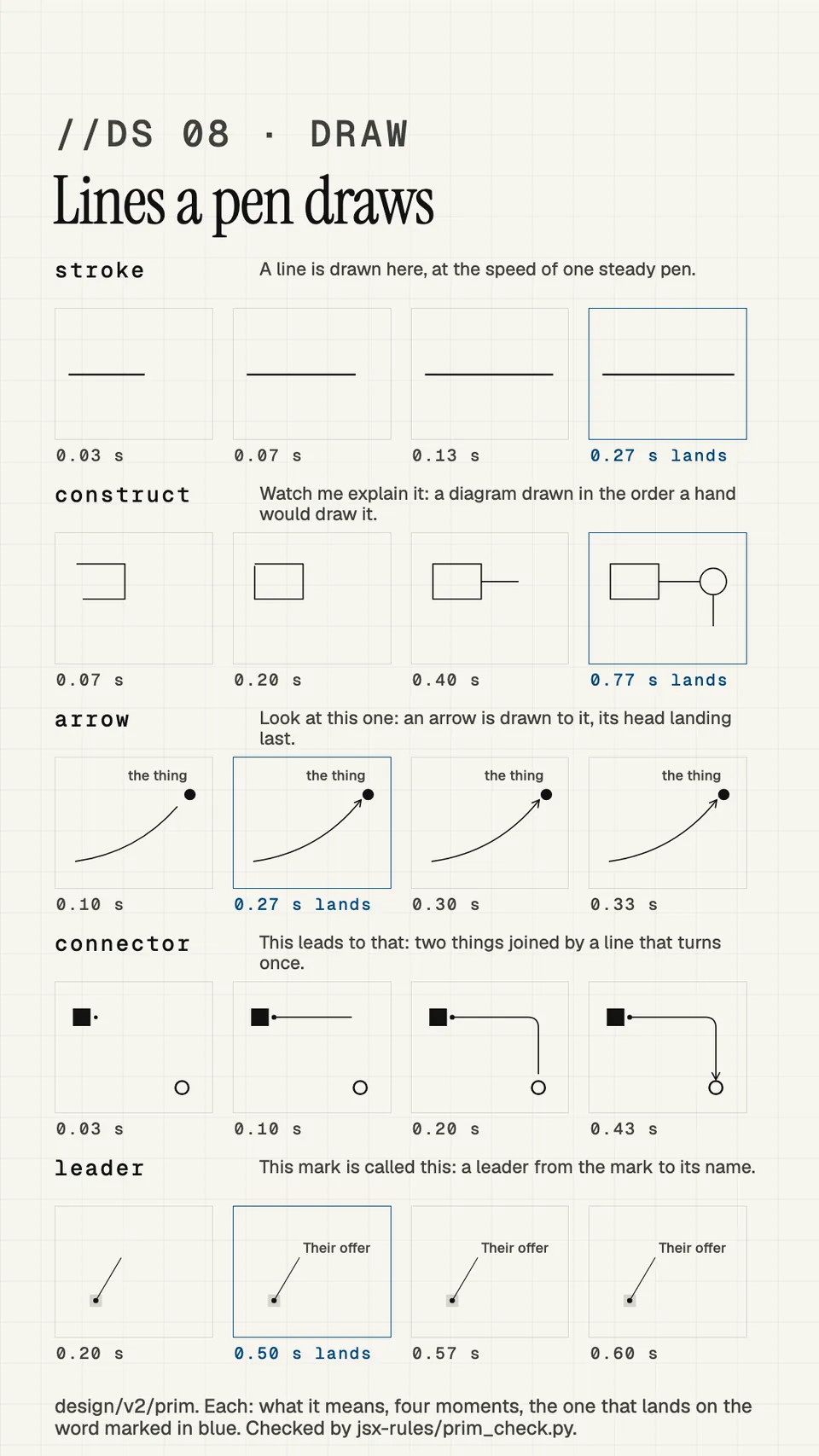
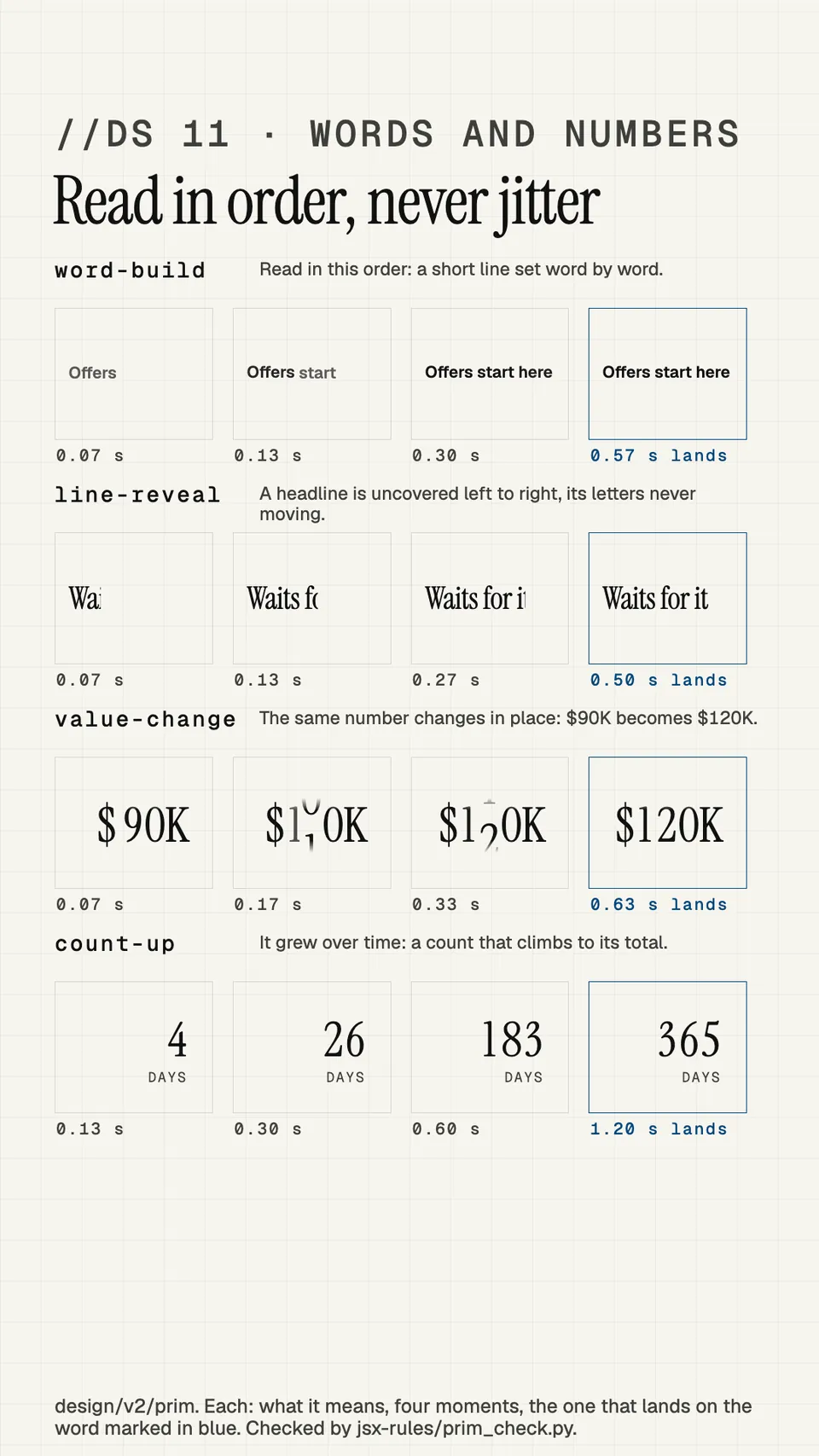
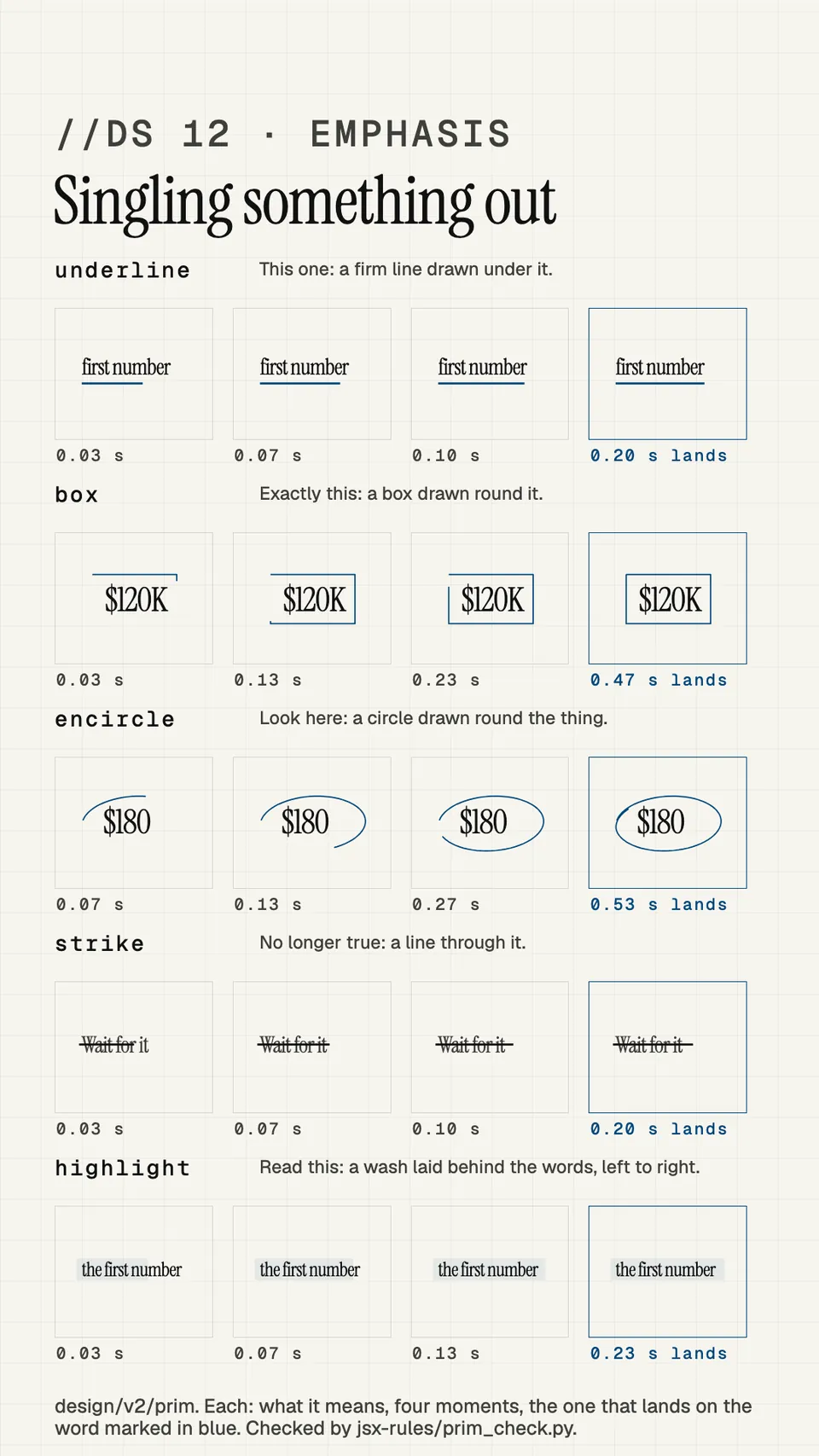
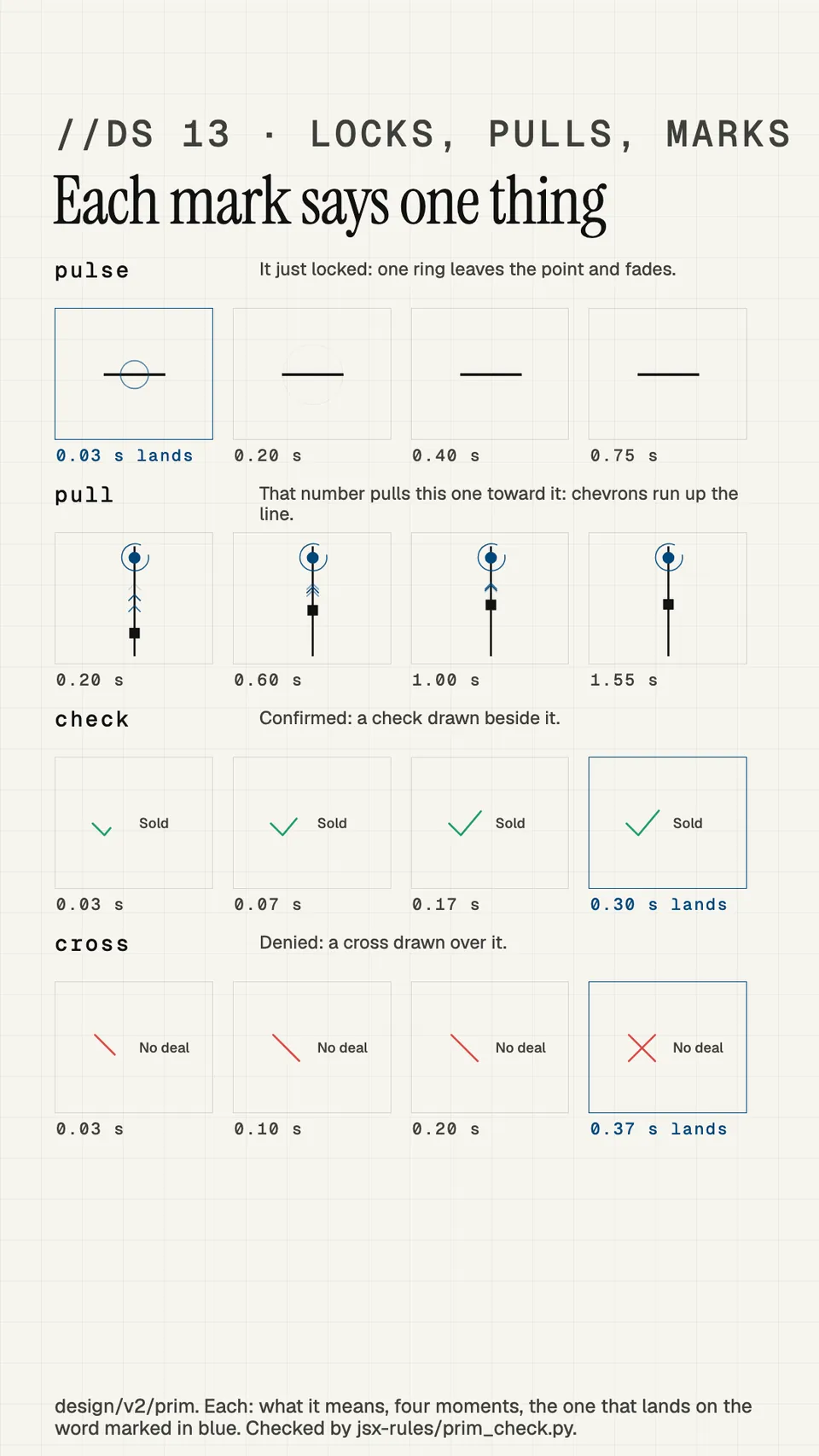
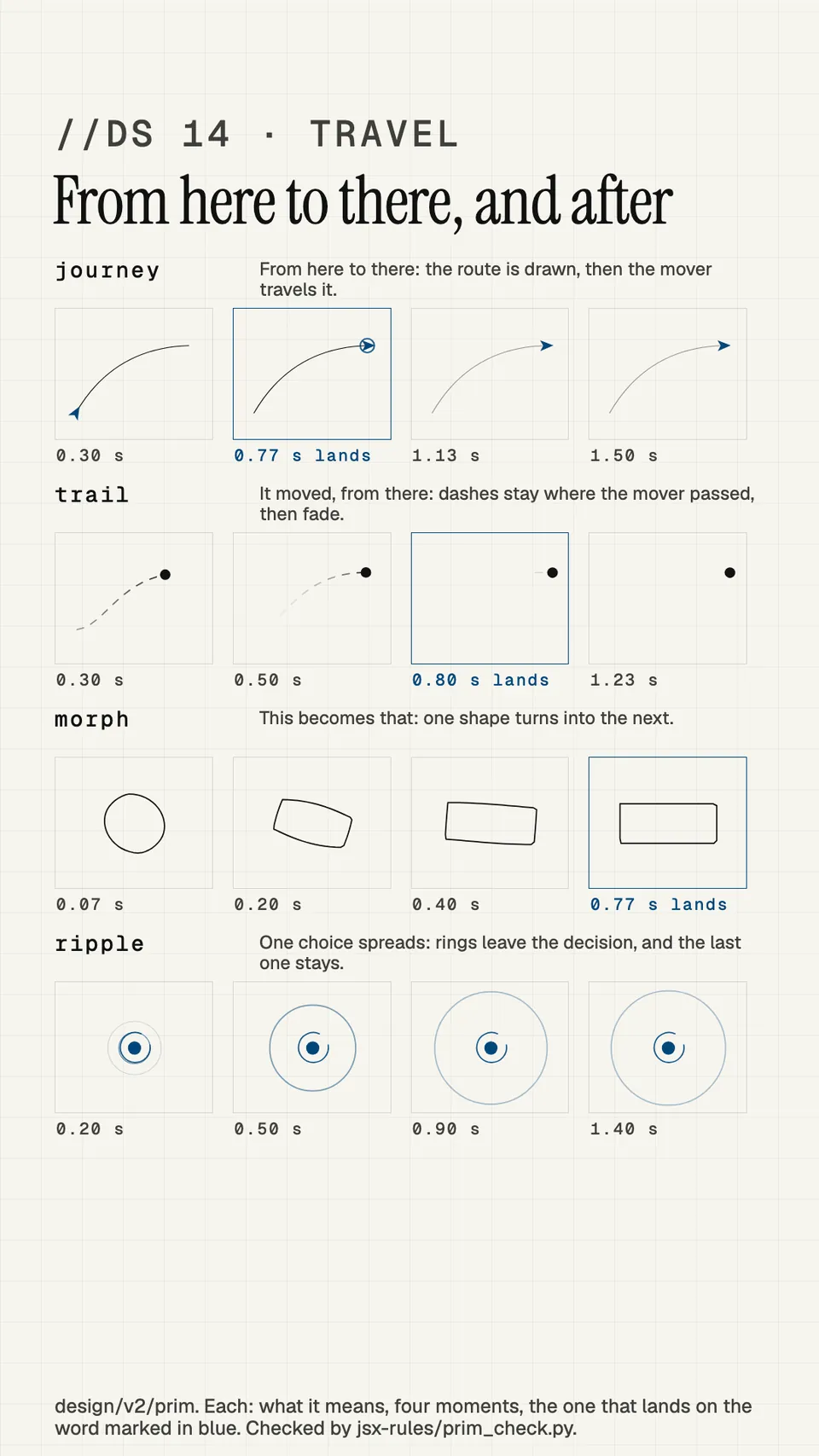
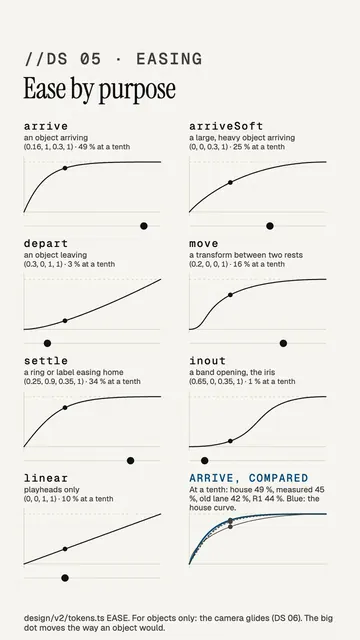
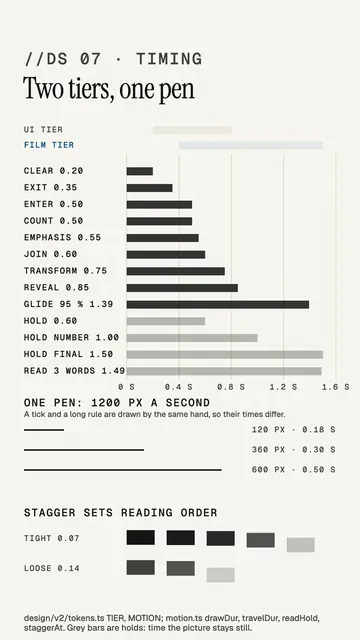
The Motion Pages, Moving
Easing by purpose, a camera that glides from rest and never overshoots, and two timing tiers with one pen speed.
Every Reel Gets Its Own Stage
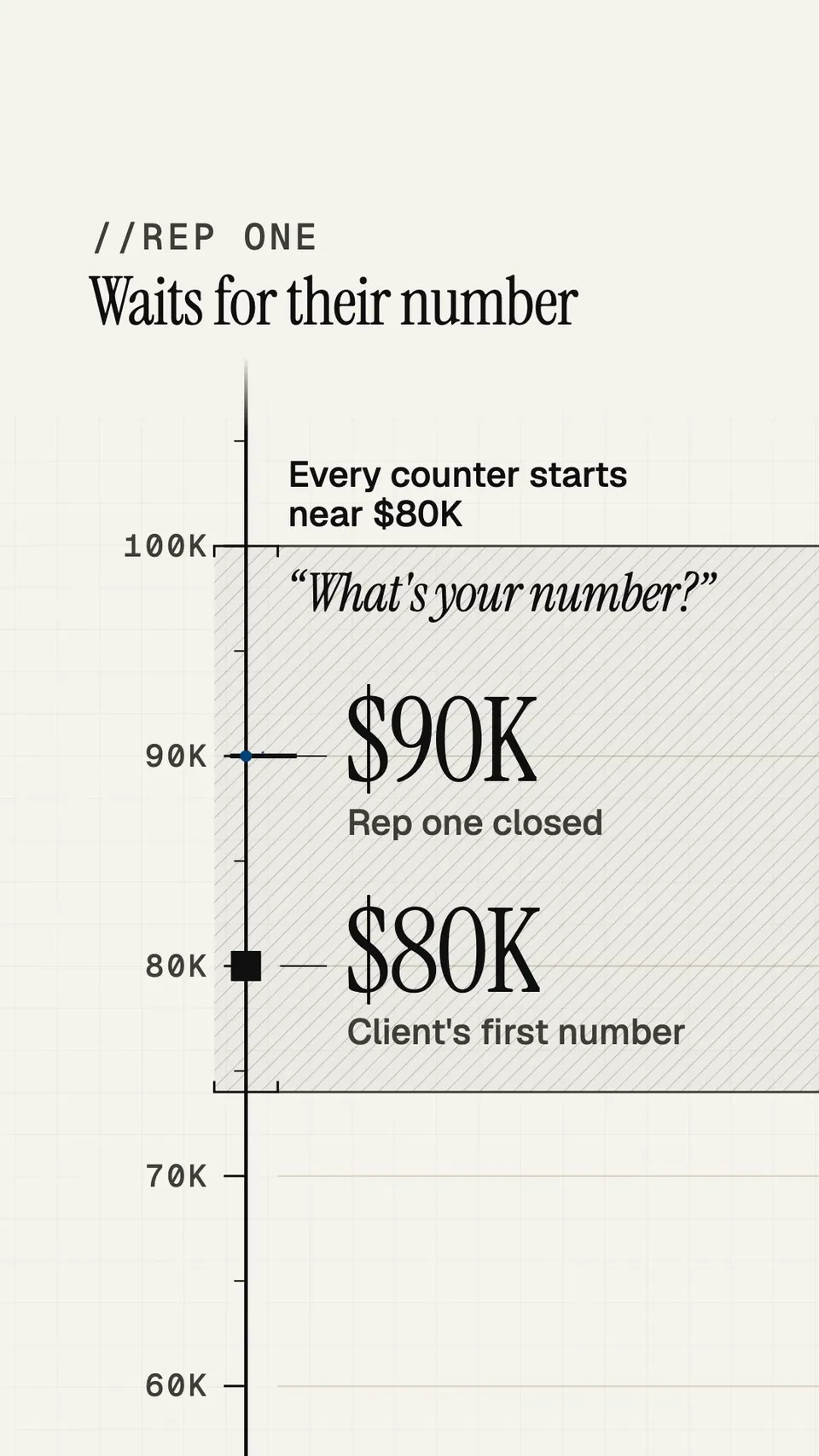
Nine stages behind one contract: a new stage is a folder, one line in a registry and its hooks. In the play-along ones a timer asks you to pick before Mira answers. Two frames from each final.
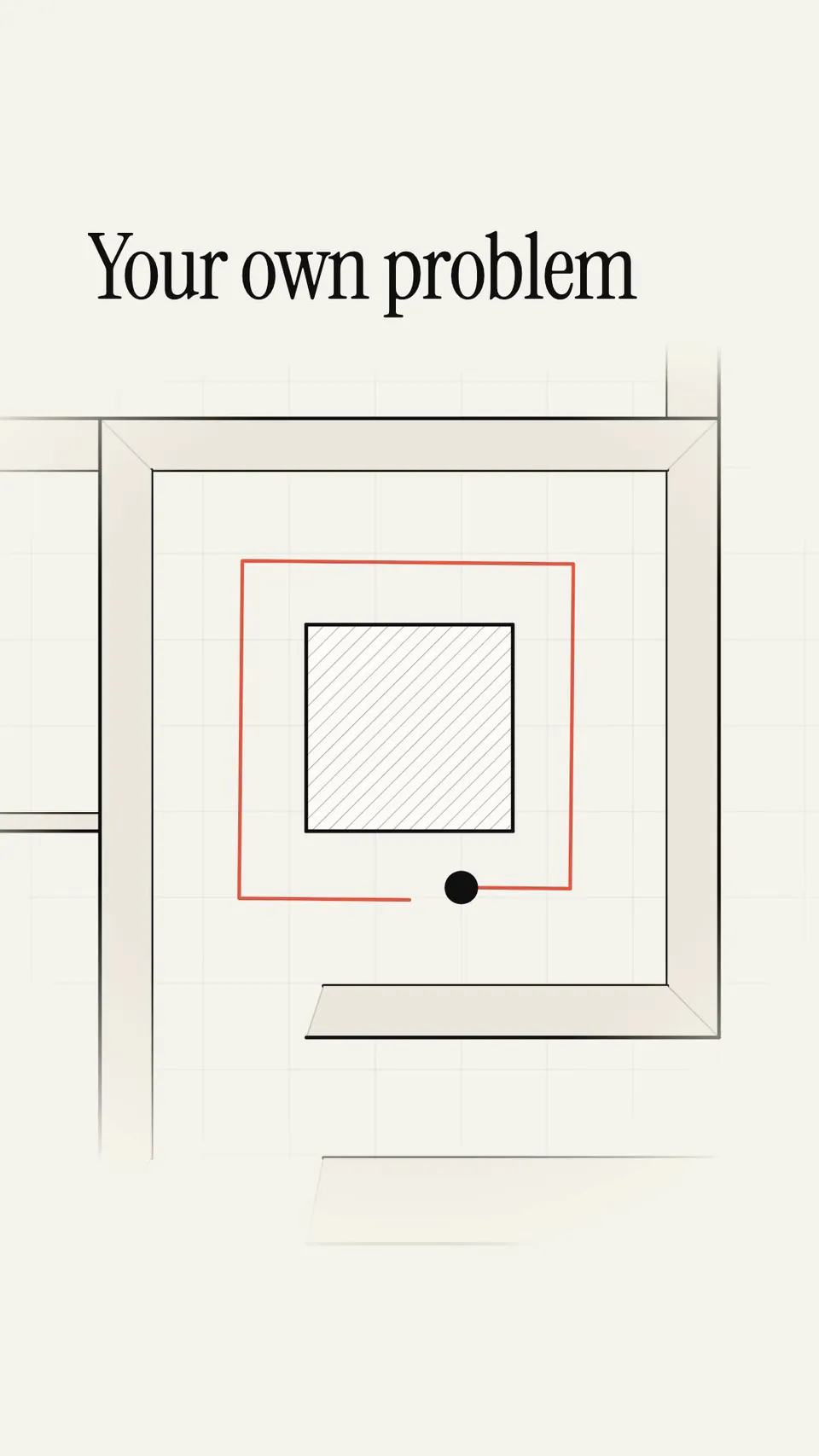
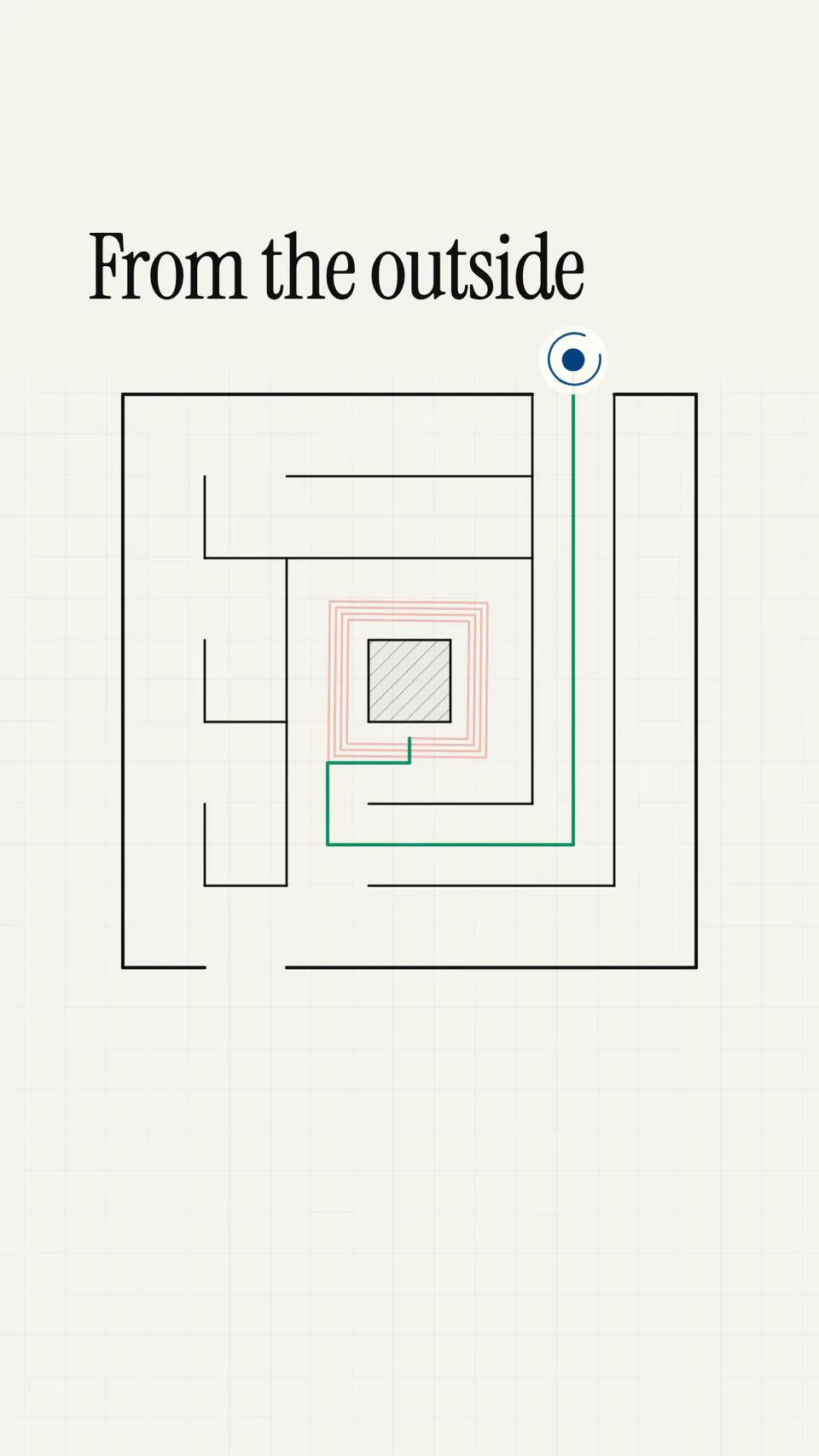
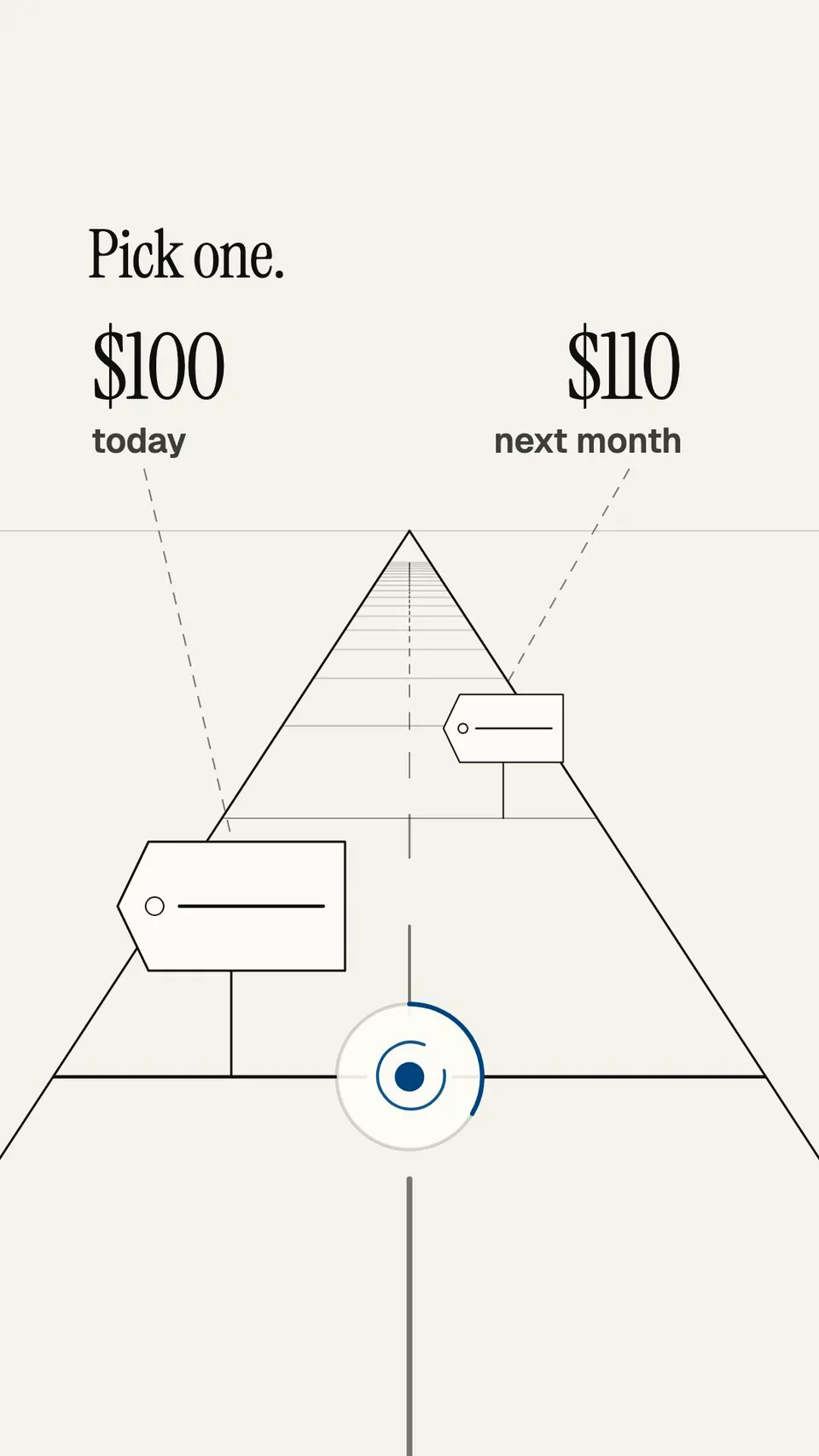
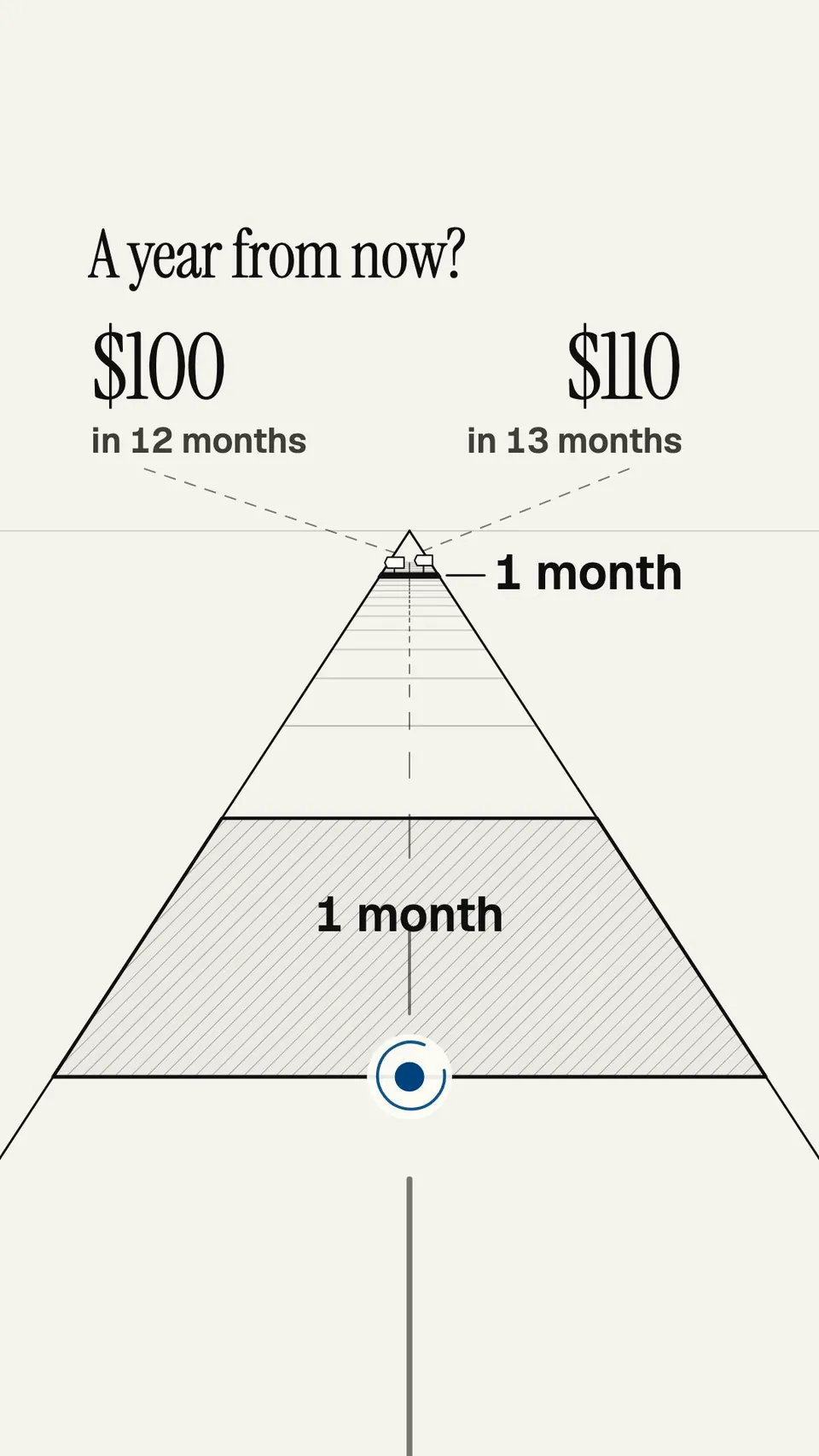
Motion With a Cause
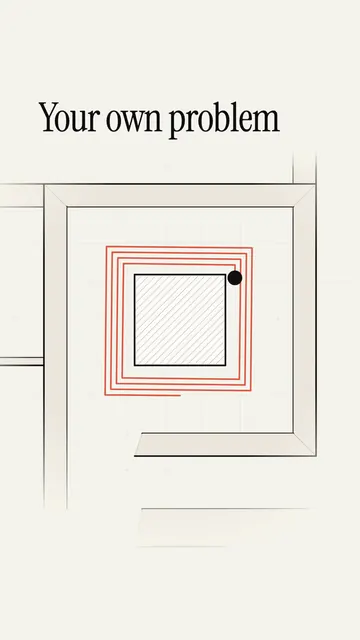
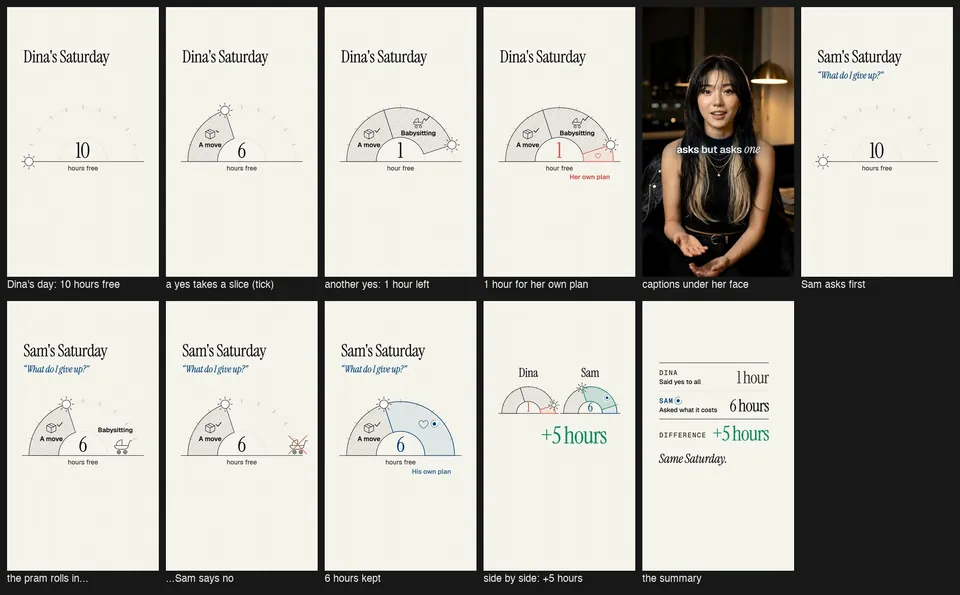
Nothing moves for decoration. The walls rise because it is your own problem, the trip you would love more comes alive while you pick, each yes takes a slice of the day, and the calendar has to unroll a week nobody planned for. Cut from the posted Reels, silent.
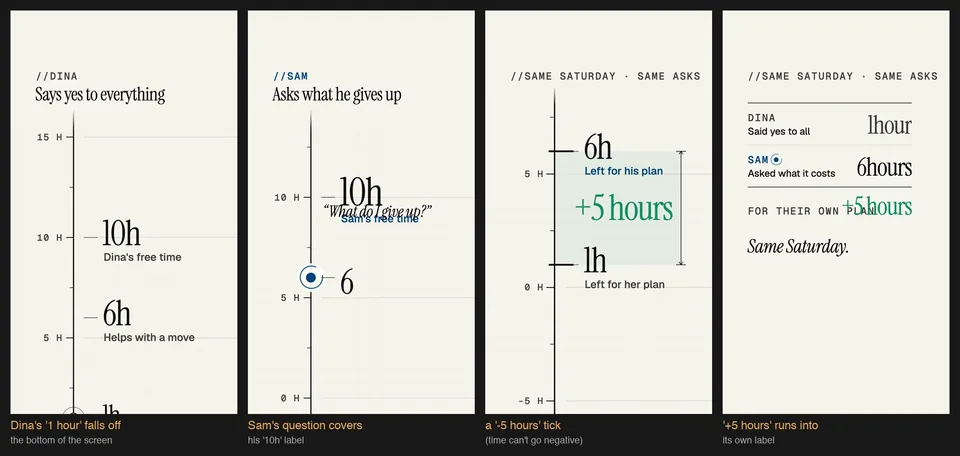
How a Stage Is Found
Stages are not drawn once. every-yes went through three rounds on my notes: a price rail that could not tell a story about time, a time bar, then a Saturday as a ring.
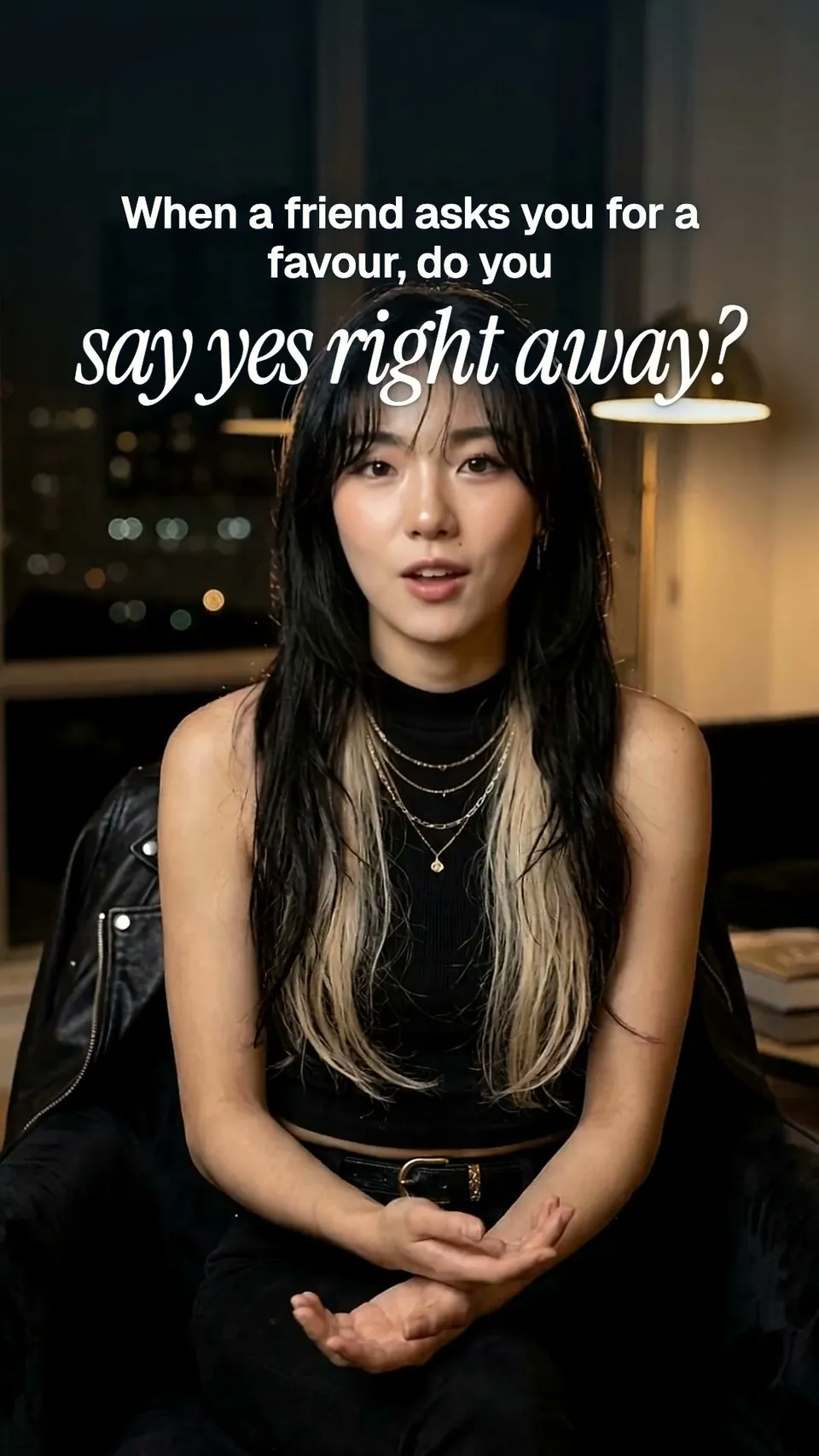
Words Off Her Face
I asked twice: the captions, then the title, below her face. Since own-advice the title starts under her neck, and the layout probe checks it on every take.

Two Picture Fixes, Before and After
Small things a viewer feels before they can name them.
Bright Enough to See
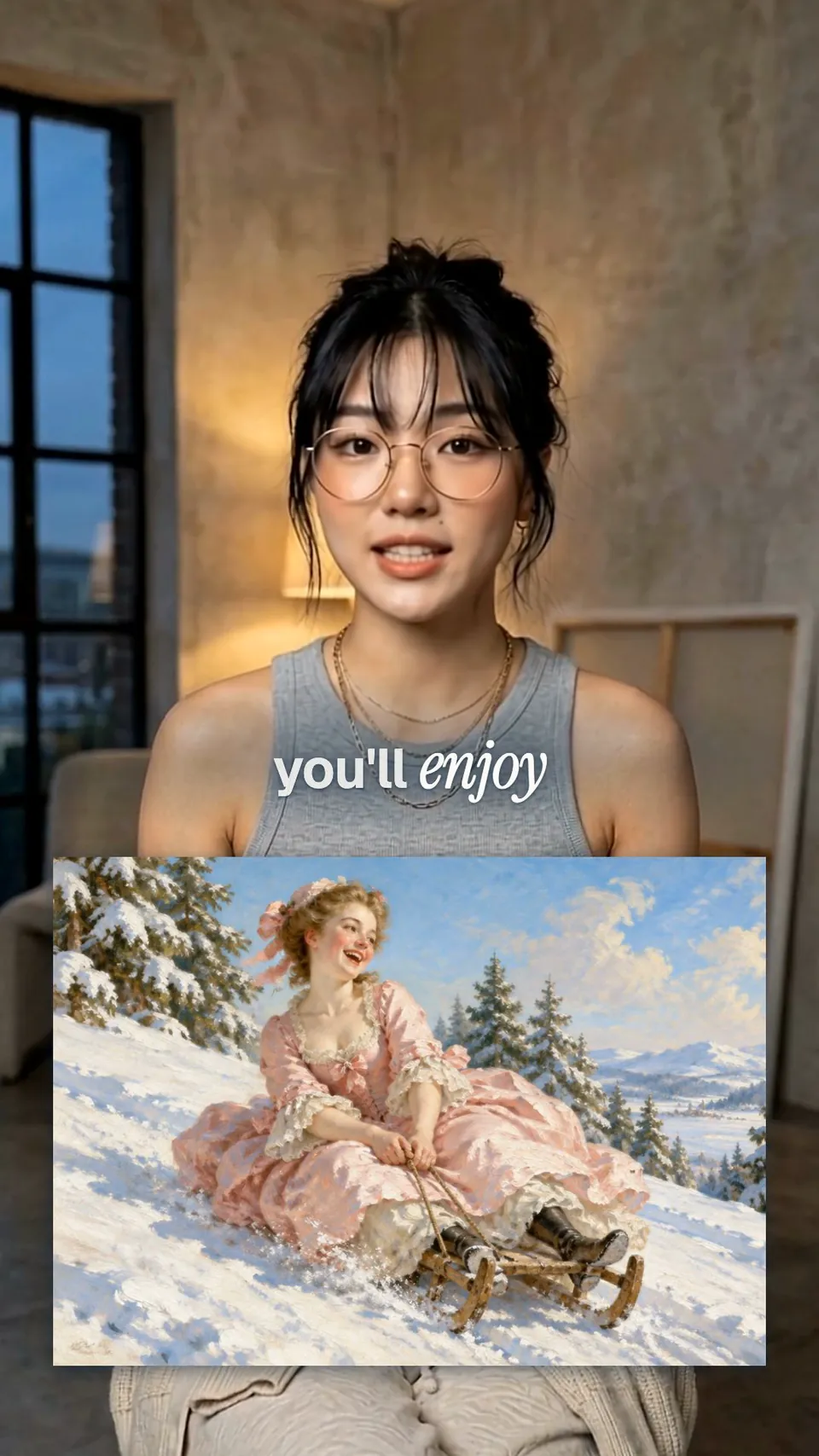
Dark pictures vanished on her black top. Every picture now reads at a mean of 50 or more.
One World, Not Two

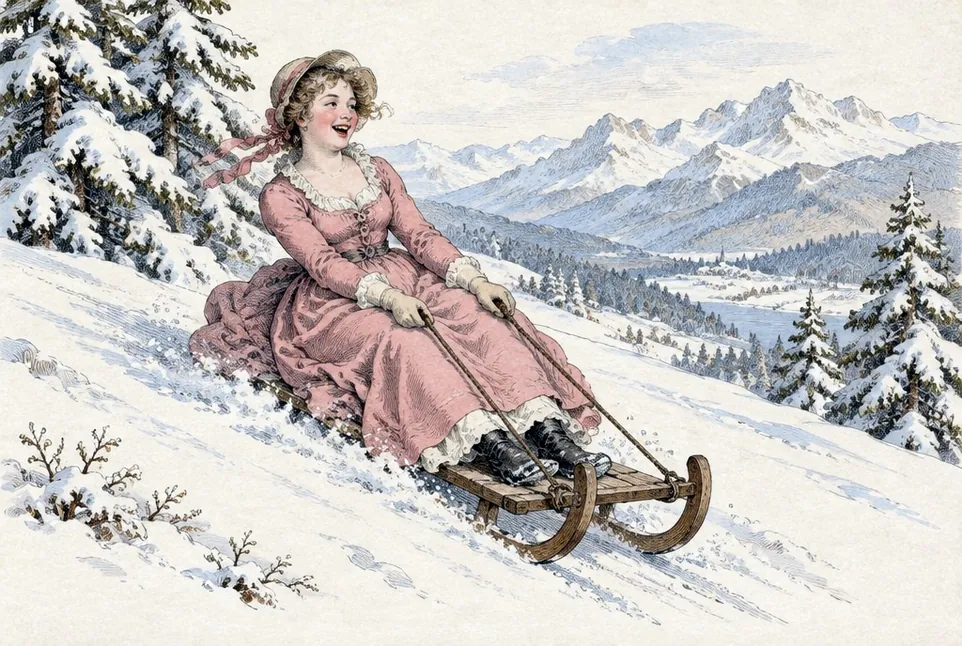
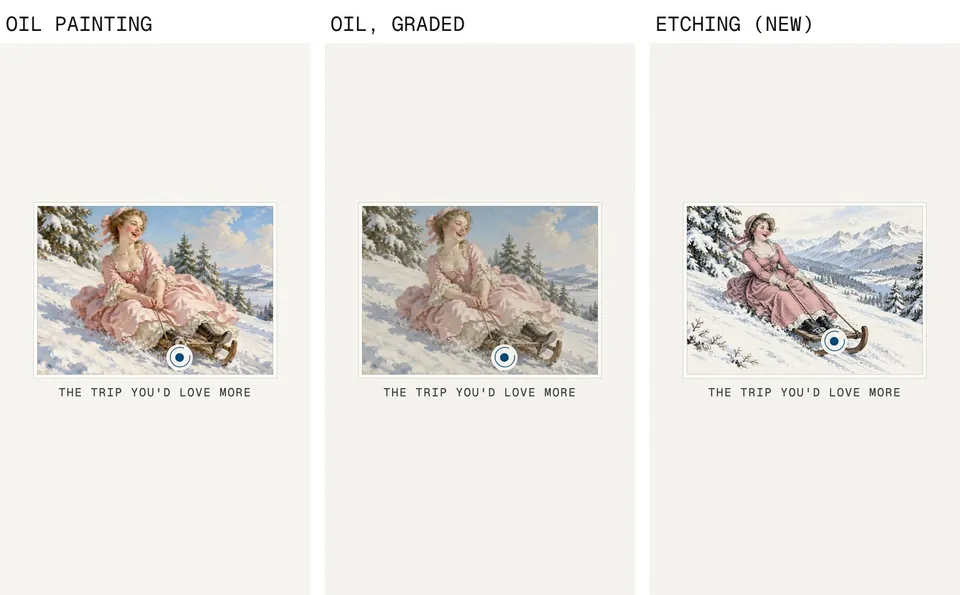
Oil paintings sat outside the drawn world. Hand-coloured etchings, approved October 29, belong to it.
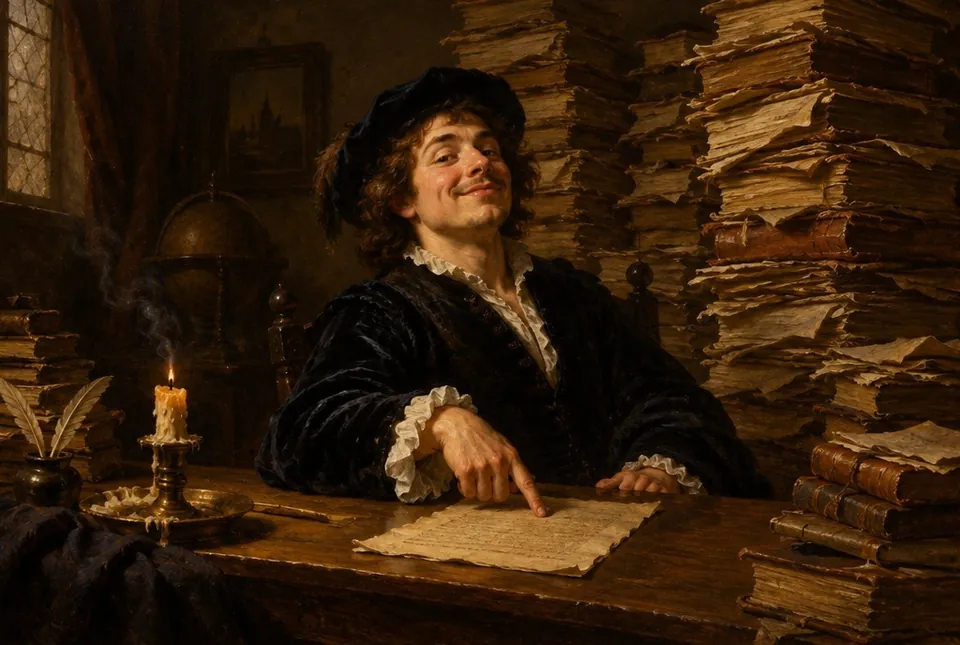
The Pictures Inside the Reels
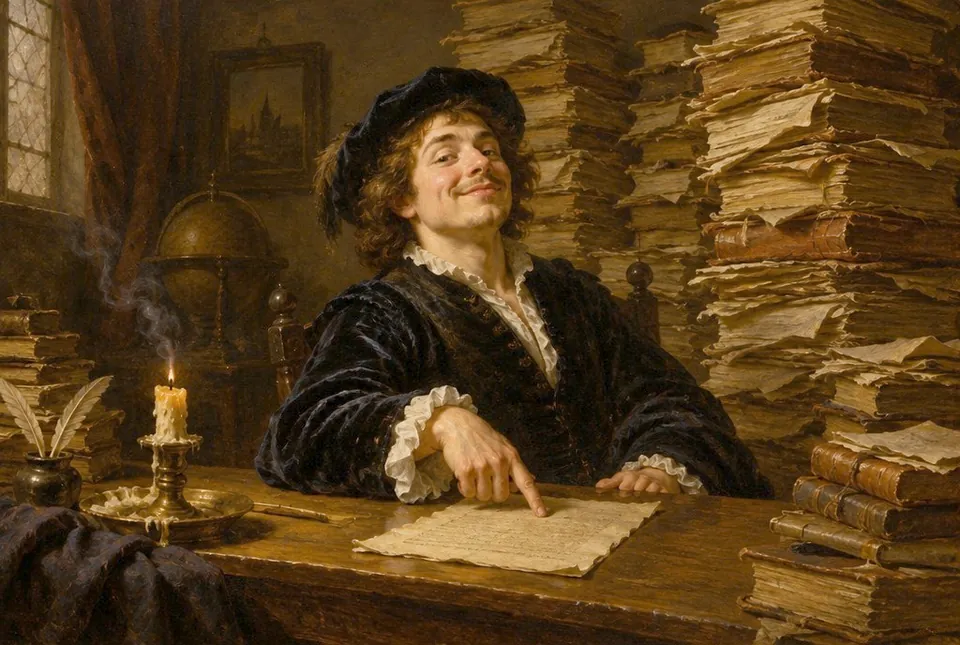
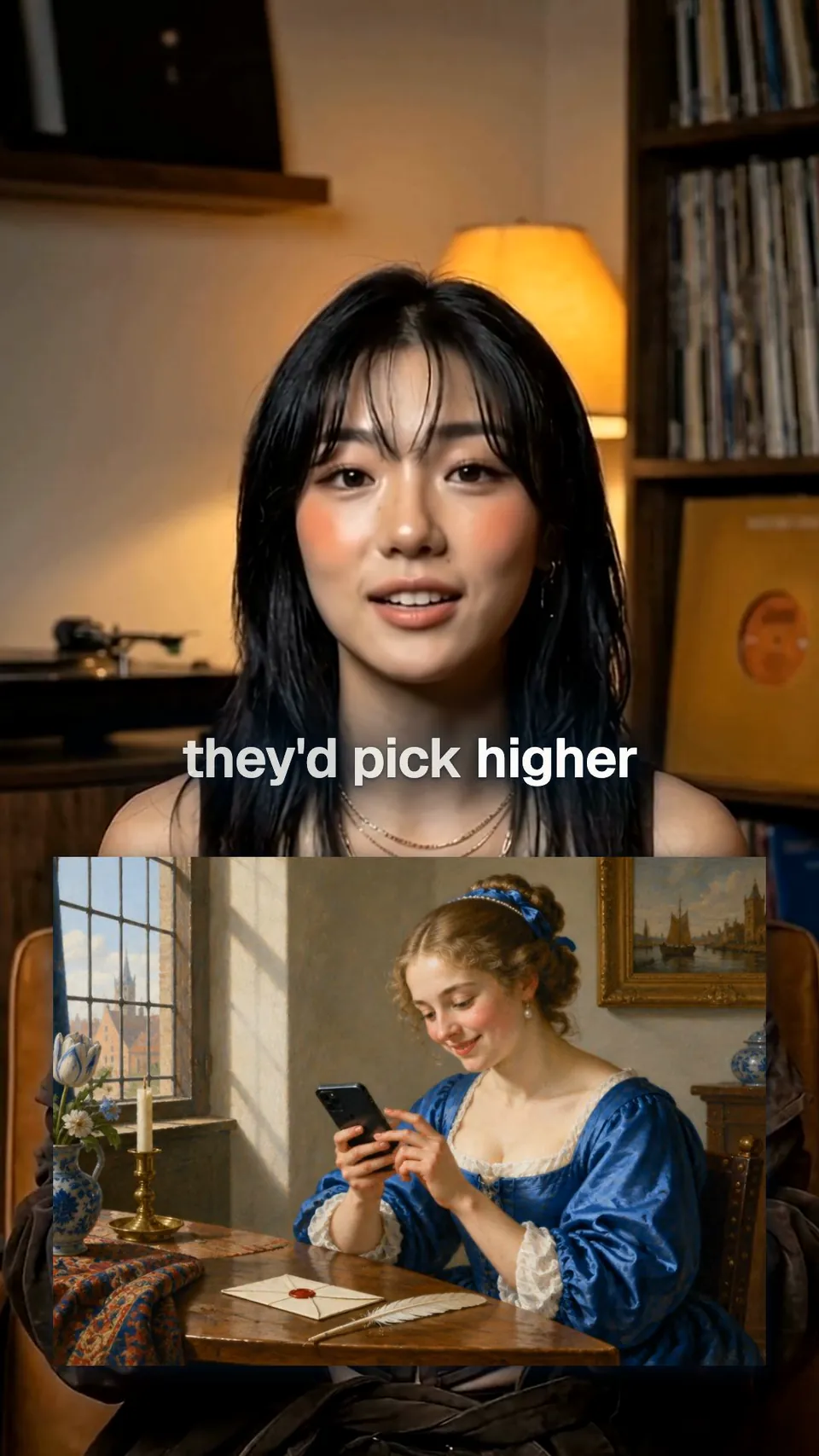
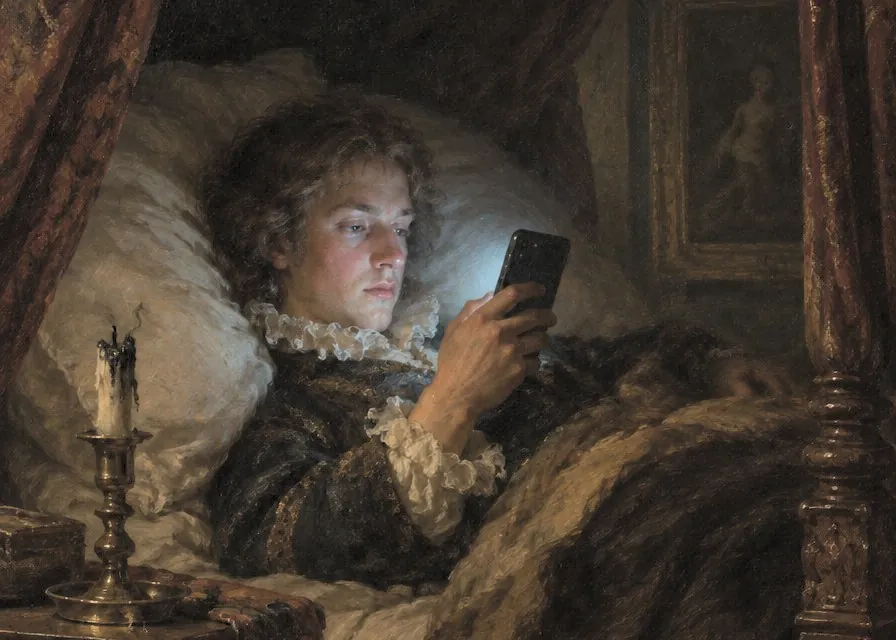
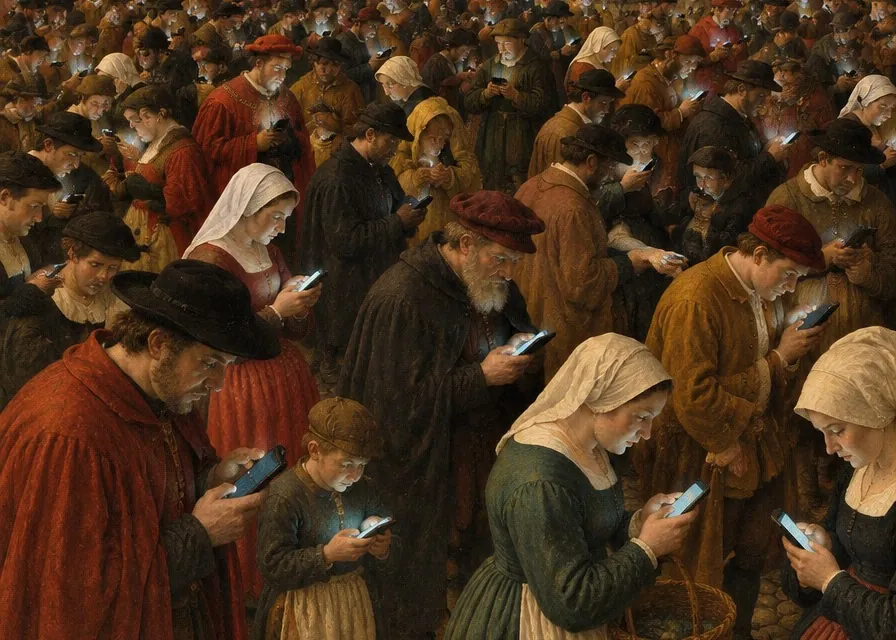
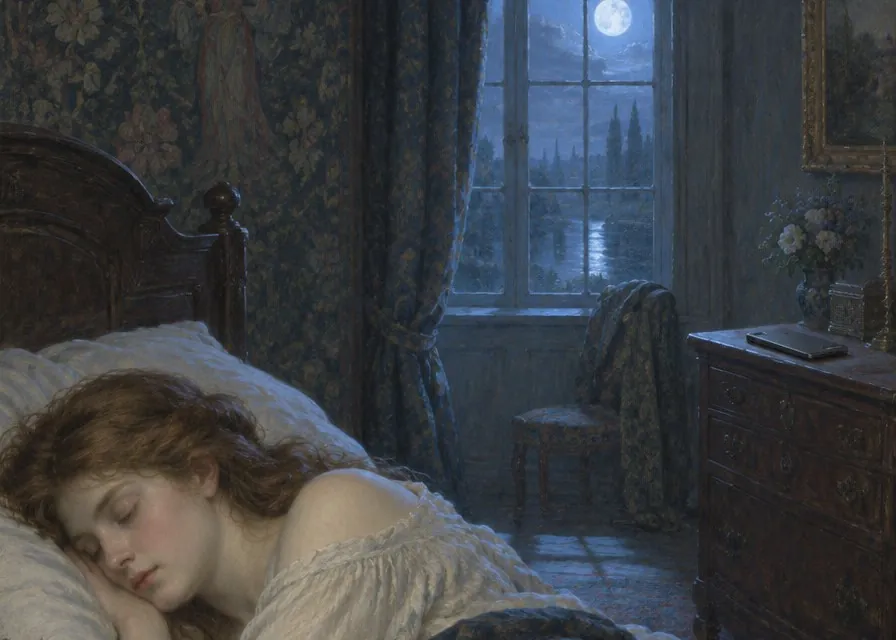
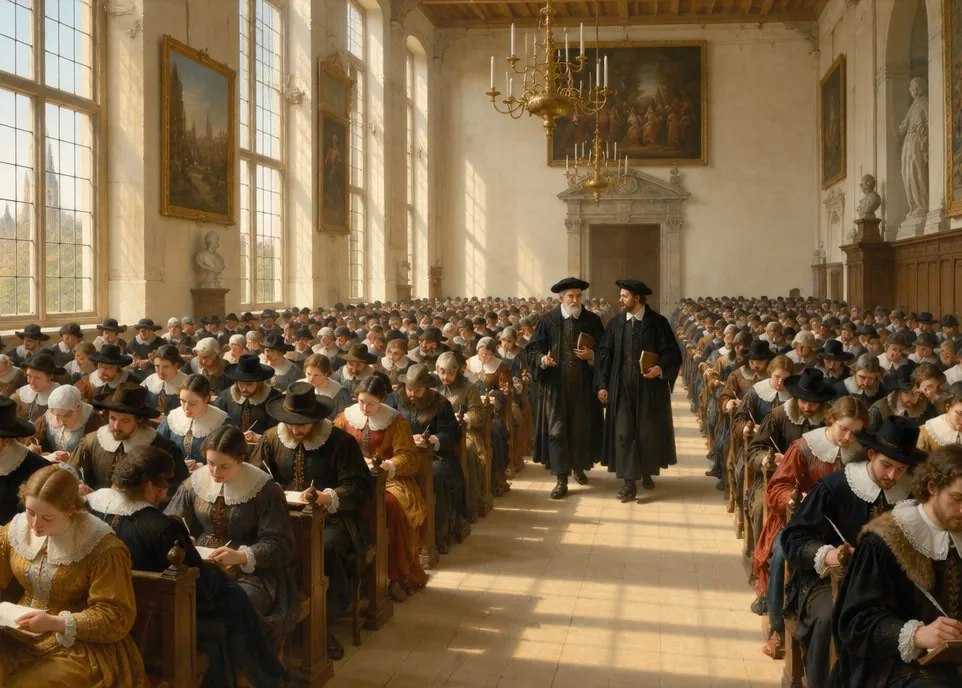
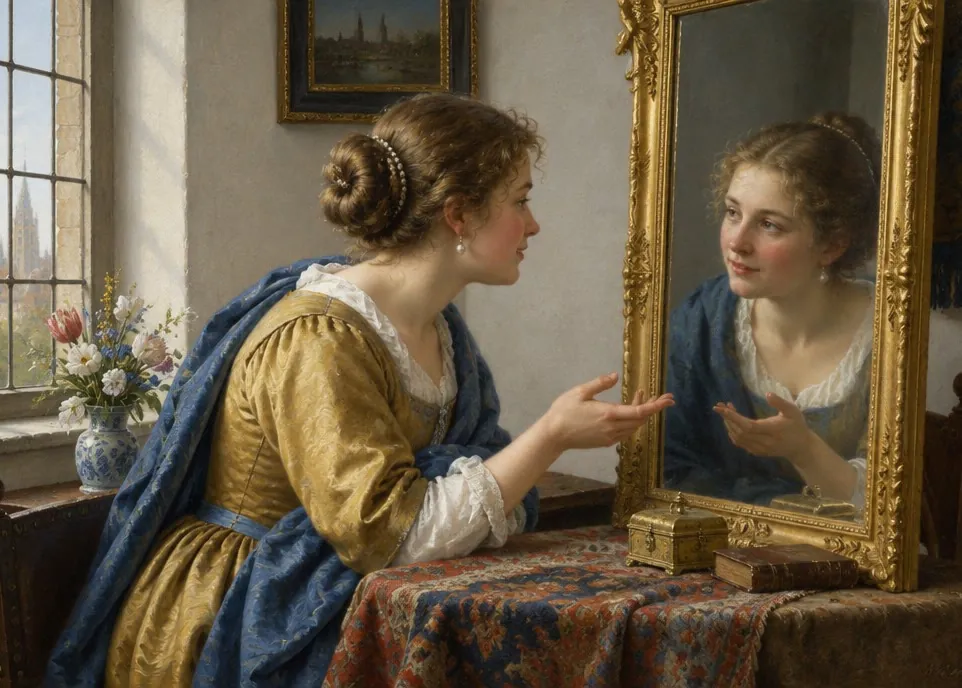
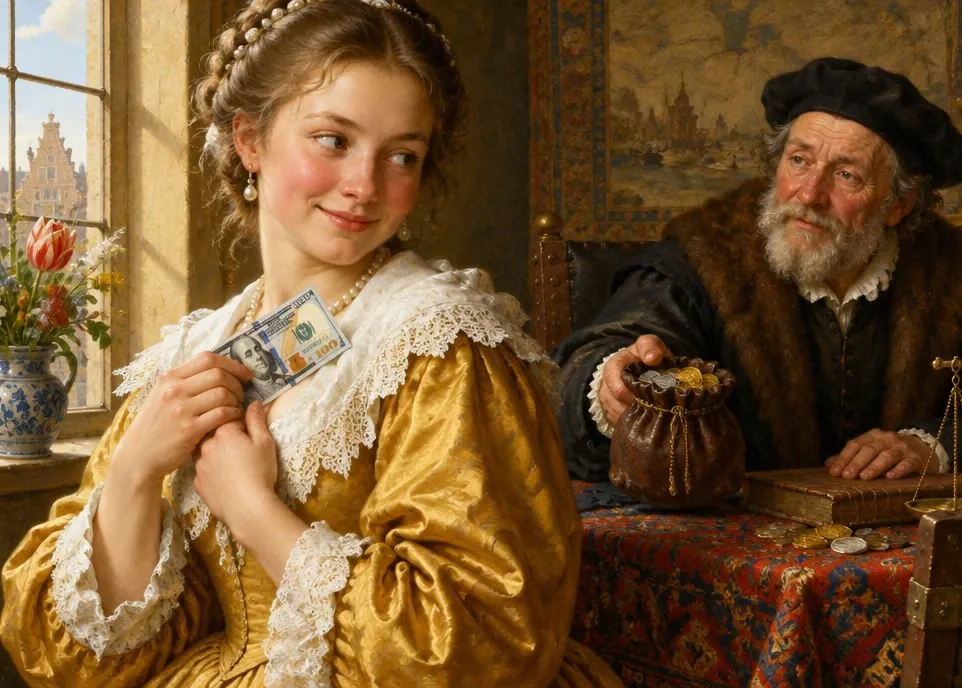
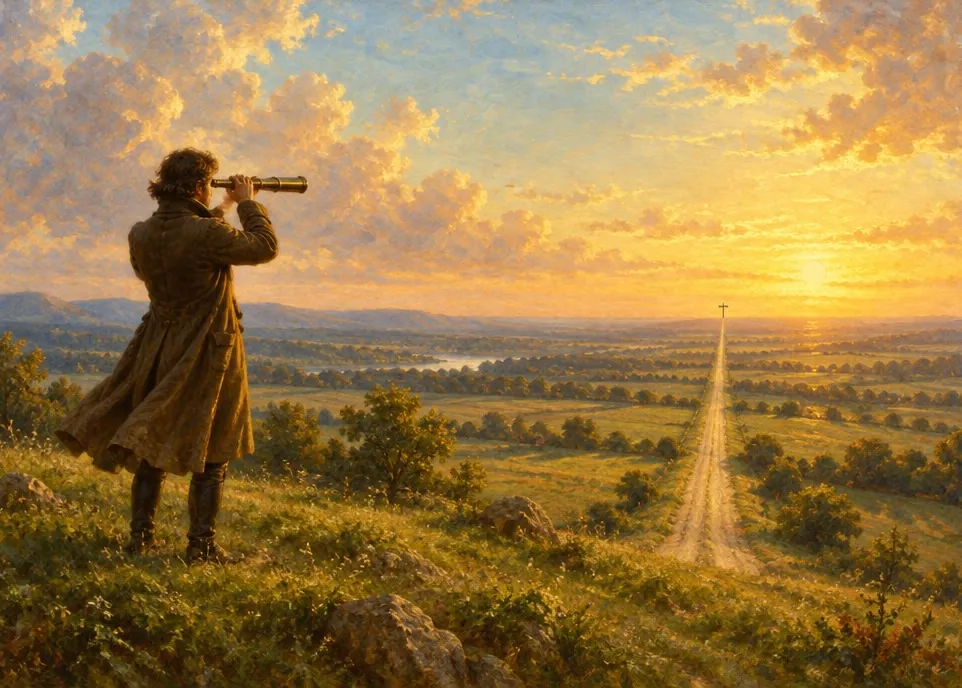
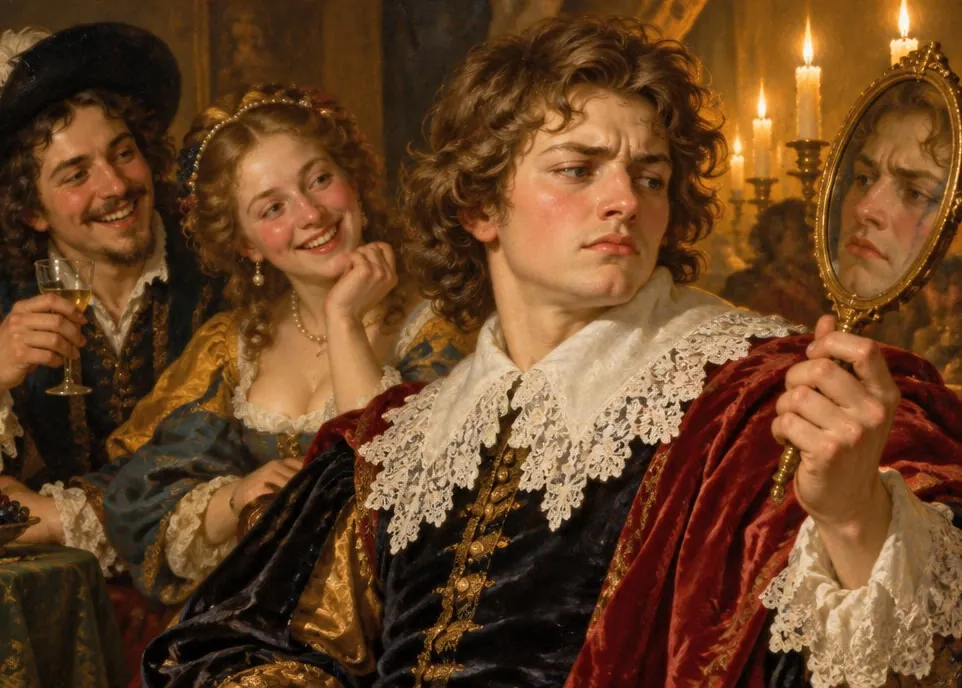
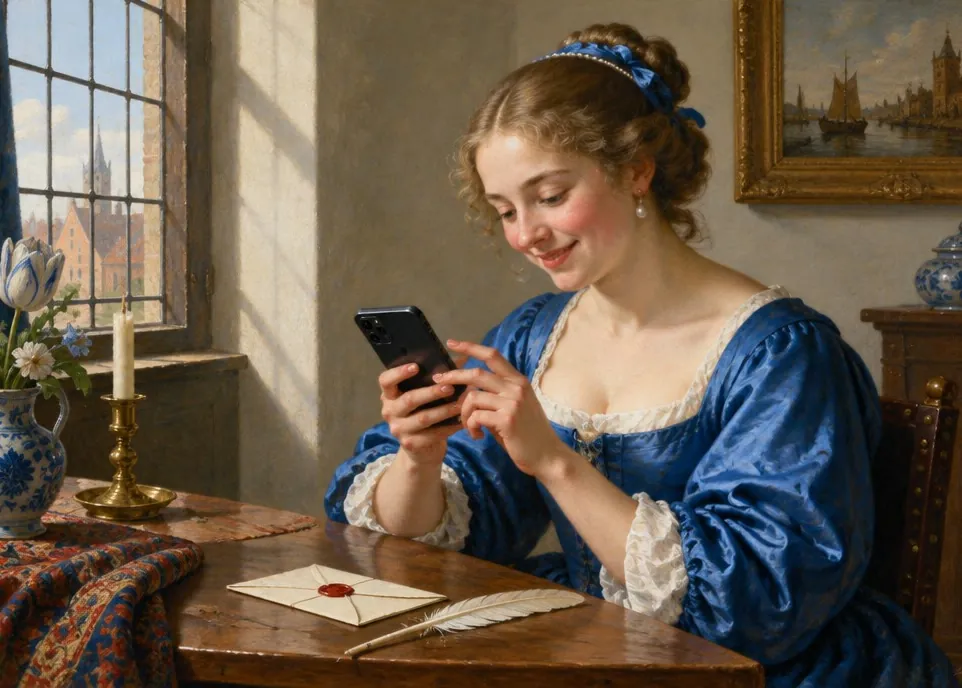
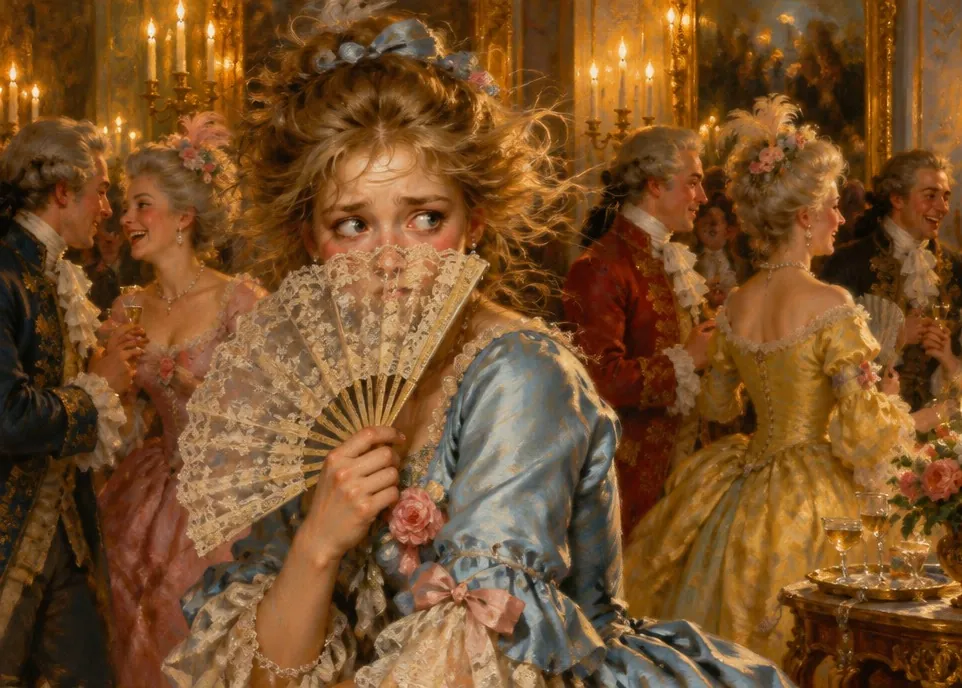
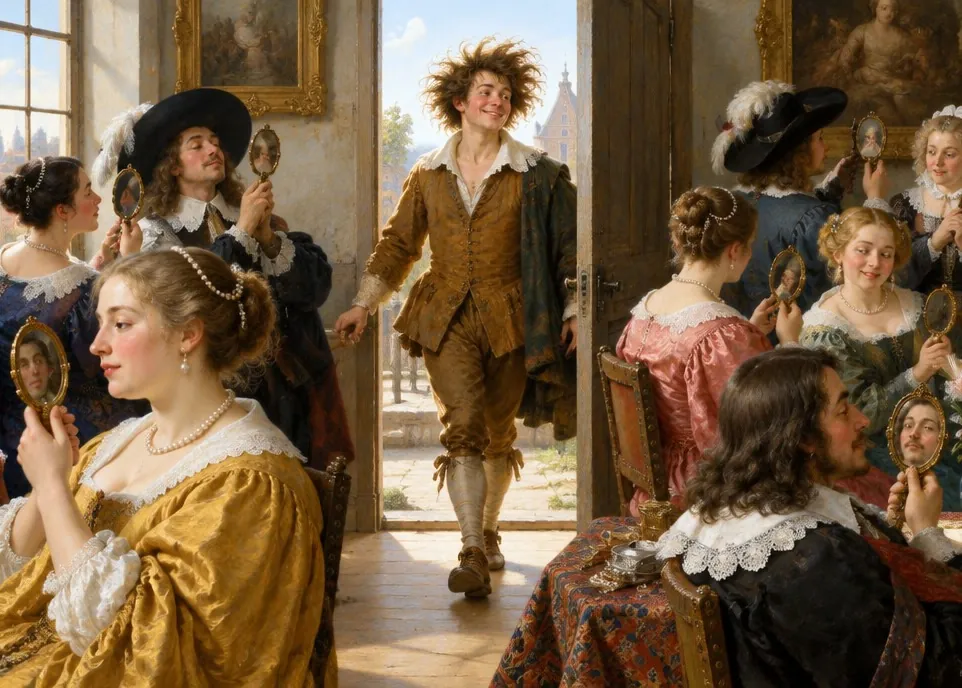
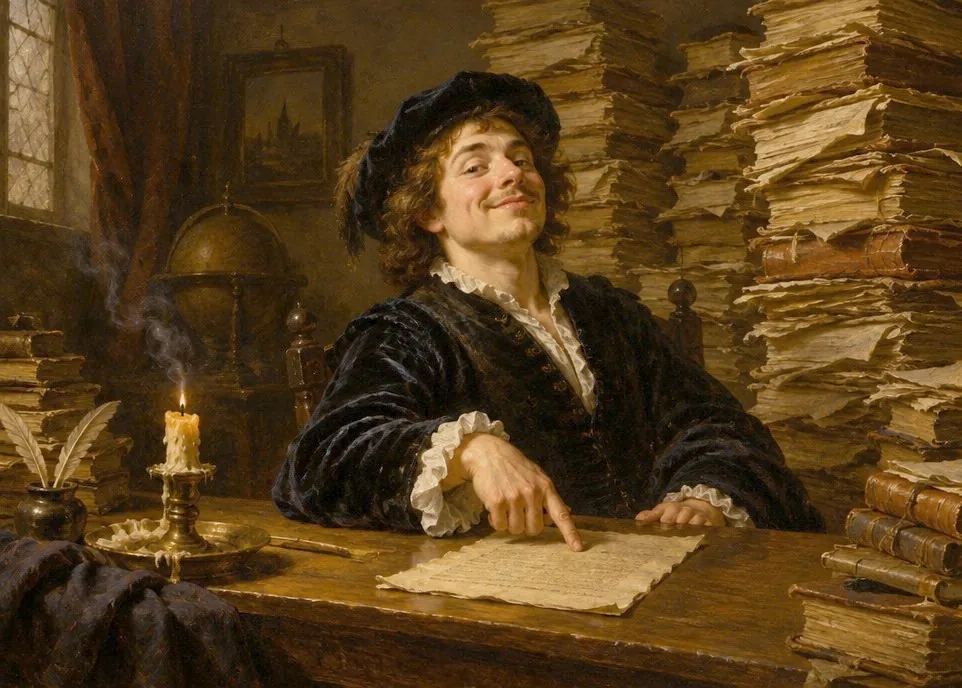
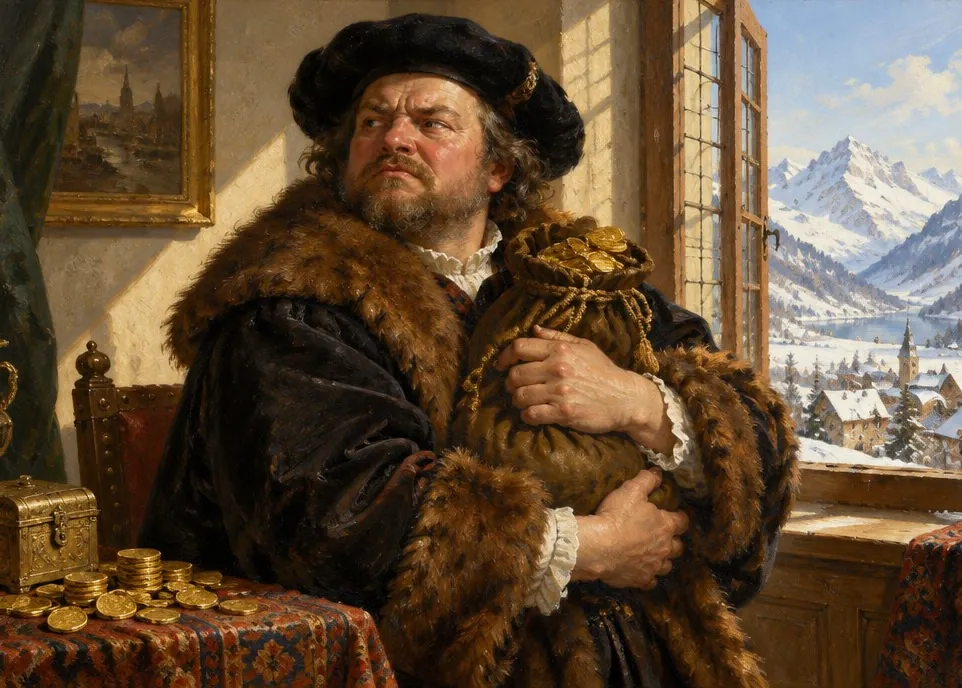
Between her lines, a picture lands under the caption: my own AI-generated scenes in a classical oil style with a modern twist, 0.25 credits each. The first three show one in place. Since October 29 every new picture is a hand-coloured etching instead, so the drawing and the picture are one world.



What Each Reel Cost
Measured from the account's own records. Higgsfield credits are the mouth, the pictures and, twice, a new Mira. ElevenLabs characters are what was billed where it was measured.
| Reel | Approved | Higgsfield credits | Made of | Voice |
|---|---|---|---|---|
| first-number | Oct 25 | 38.4 | the mouth on a reused take | Laura |
| every-yes | Oct 26 | 54.28 | the mouth | Laura |
| scroll-hour | Oct 26 | 45.5 | five pictures, the mouth | Laura |
| own-advice | Oct 26 | 91.16 | the mouth twice: Laura, then Sapphire | Sapphire |
| wait-a-month | Oct 27 | 47.74 | pictures, the mouth | Sapphire |
| liked-you-more | Oct 27 | 95.44 | a new Mira (54), pictures, the mouth | Sapphire |
| nobody-noticed | Oct 27 | 37.39 | pictures, the mouth | Sapphire (865 characters billed) |
| worst-case | Oct 28 | 39.79 | pictures, the mouth | Sapphire (895 billed) |
| two-trips | Oct 28 | 39.5 | pictures, the mouth; the redraw cost 0 | Sapphire (795 billed) |
The Cost, in One Line Each
What I Still Do by Hand
The Topic and the Mira
From three researched pitches, and from one picture of the gallery takes.
Three Paid Steps
The voice, the pictures, the mouth: each prints its exact text and price and waits for my go.
Every Reel, With Sound
A Reel is done only when I have watched it and said it is good. My words go into its spec.
Four Apps
From one folder, by hand. I was offered automatic posting and said no.
The Hard Problems
Generating a clip was never the hard part. Making a series hold together was: the same face, a mouth on the right word, motion that means something, an editor that builds itself, and AI sessions with no memory that behave like one careful engineer.
Words Fix the Type. Only a Picture Fixes the Person.
An AI presenter is only useful if she is the same person in every clip. Reel 1 held Mira's identity in about 75 % of clips, and in only about 42 % across three.
So her face got a number. face_check.py embeds the face with ArcFace and compares it with 21 faces I approved: 0.50 and up is her, 0.40 to 0.50 goes to my eye, below 0.40 is a stranger. The thresholds were calibrated on my own verdicts, not on the tool.
The measurements settled the method. On September 8 her original prompt, run again word for word on the same model, brought back every described detail on a different woman: 0.168. Her original picture with a short prompt brought her back: 0.627. The seed of that first portrait is gone; only the picture carries her face.


Drag the handle. Left: her original prompt, words only, on the same model. Right: a short prompt plus her original picture. Both are AI-generated; the left one is not Mira.
104 Credits for a Lesson That Cost 0.48
July 17, Reel 17. A prompt enhancer quietly turned a New York brief into seven selfies in a Seoul apartment. A reference-only model then returned a stranger four times out of four, and 84 credits of video animated her.
Reel 2 had hit the same wall two months earlier and solved it for 0.48 credits. The finding never left its project folder. The postmortem's motto became the house rule for money: halting costs 0, improvising cost 104.
Two laws came out of it: findings are promoted to the rulebook the same day (A87), and every identity image must carry a trained Soul or her picture as a reference, never neither (A352), checked before a credit is spent.

Reel 17, July 17. Both images are AI-generated. The one on the left is not Mira, which is the point.
Every Fix Measured, Every Verdict Mine
Identity work became a loop: I judge a frame, the session measures why it failed, and the fix becomes a rule that runs before the next credit is spent.
Three of those fixes. Her makeup had never been written into a prompt, so the model invented a harsher face until the anchor's blush, lashes, lips and mole were transcribed word for word. The word mid-sentence in a still prompt rendered a grimace, so a still is now a composed portrait a breath before speaking. And a copy of a copy loses 0.02 to 0.03 of identity per generation, so every frame starts from the best original.
When the checker and I disagreed, I won: it called one frame a stranger at 0.435, I said it was her, and the threshold moved to 0.40.
The Makeup Clause


Her makeup was never in the prompt, so the model invented a face.
A Still Is a Portrait
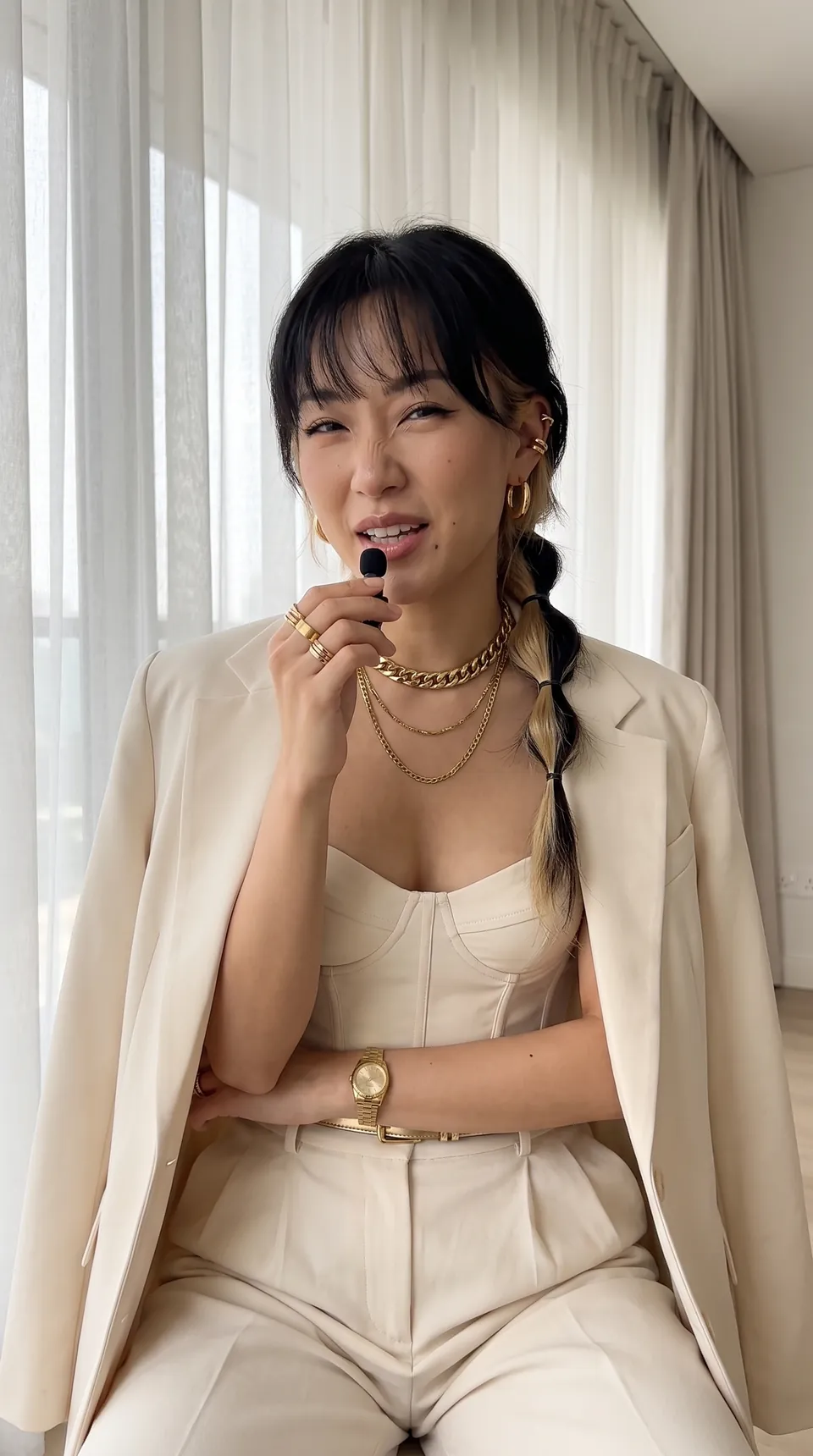

One word made a grimace. The video stage opens the mouth, not the still.
Never Copy a Copy

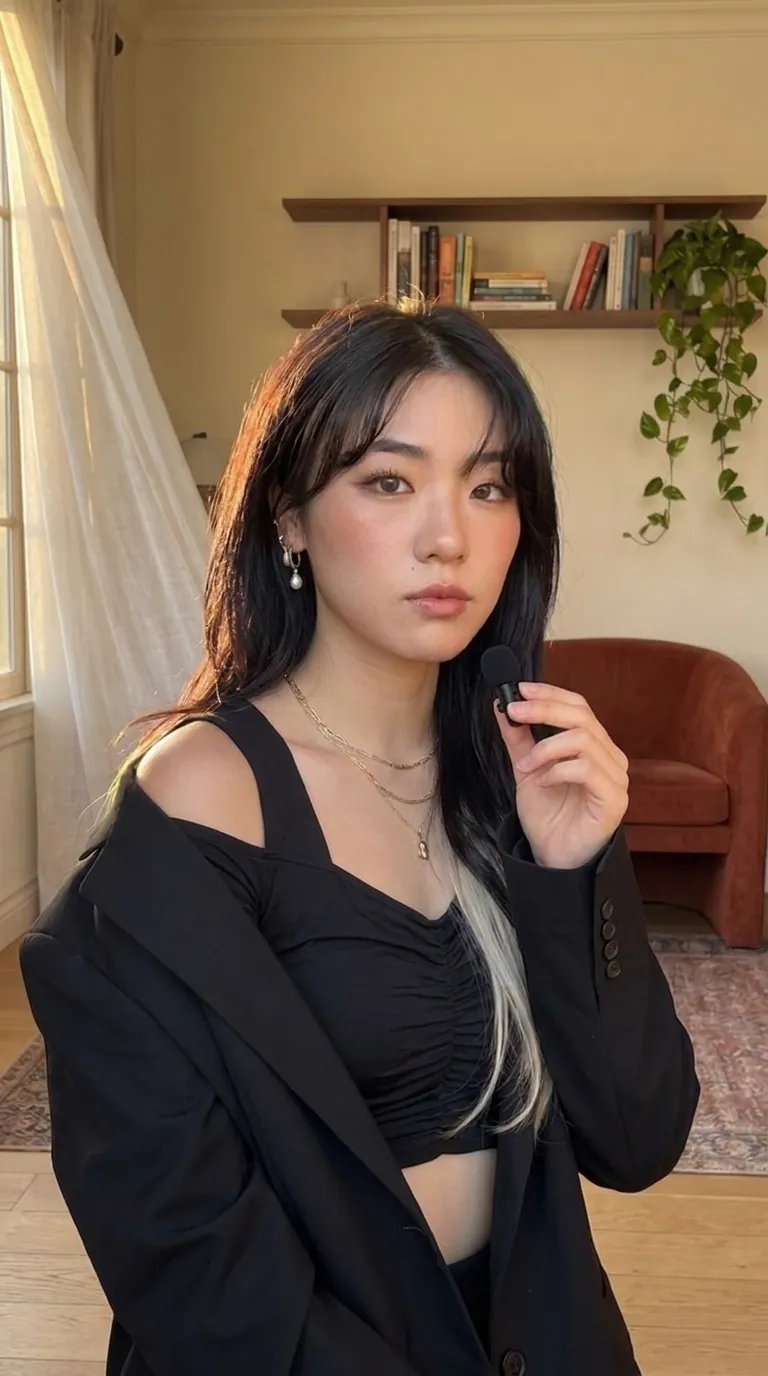
Identity decays with every copy, so frames start from the best original.
Every image here is AI-generated. In each column the top image is a labelled failure.
Nobody Types a Second
Reel 21 was built on one voice take and shipped with another: picture and voice drifted up to 5.1 seconds apart. The fix was to stop timing anything by hand.
Now a spec names words. faster-whisper stamps every word of the take, and the compiler places each beat on its phrase: @two fifty cuts on the exact frame she says it. It refuses a phrase spoken twice (a coin flip), a phrase never spoken, and cues that run backwards. Re-record the voice, recompile, and every cut, caption and sound effect moves with it.
The output is deterministic: the same spec and the same words give a byte-identical board, which is what makes regression testing possible.
// studio/specs/the-anchor-dryrun.json, trimmed
// a beat names WORDS from the take, never seconds
"point": {
  "shape":   "denial",
  "obvious": "open high, so there is room to come down",
  "real":    "open FIRST with the strongest number"
},
"carrier": "magnet",
"beats": [
  { "role": "hook",    "cue": 0,
    "say": "you know that first number in a negotiation?" },
  { "role": "obvious", "cue": "@everyone says",
    "scene": "illustration" },
  { "role": "denial+real", "cue": "@two fifty",
    "say": "two fifty doesn't buy room, it blows the deal up." },
  { "role": "proof",   "cue": "@floor seventy -0.1",
    "scene": "compare" },
  { "role": "verdict", "cue": "@it was never",
    "say": "it was never about going high, it's about going first." }
]
A real spec, trimmed. The compiler turns it into a board with real seconds, captions, sound cues and a camera move for every frame.
The Mouth That Was Unfixable
In May the microphone covered her mouth to hide bad sync. By August the mouth was written off as unfixable, backed by a correlation that looked like signal until a permutation test showed 27 of 35 random offsets beat the true one.
Then one controlled test changed everything: four clips from the same frame, differing in one input each. Words only: accurate. Audio only: following but not accurate. Both: the best. An old ban on putting the script in the prompt had caused the fault, and a blind instrument had certified it as unfixable.
Today the talk clip is generated from the voice, and a second pass repaints only the mouth. A receipt proves every clip: the sync probe went from p = 0.37 to p = 0.00, and 4 of 5 lip closures land within 40 ms.
PreviewThe First Reel With the Mouth Repainted to the Voice (Studio Preview, Sound On)
Movement Without a Reason Is a Fault
The first Reels used black kinetic text cards. I wanted the warmth of hand drawing without drawing by hand, so the motion became a system in code: a doodle library drawn stroke by stroke, a two-puppet cast (Dot believes the obvious, Stick is sceptical), 15 motion primitives, and one yellow accent per scene.
When I complained about shaking, the complaint became measurable laws: one source of idle life (a 3 fps boil of 0.6 px), a shake ceiling, no frozen holds, and a beat never opens on an empty frame. A drawing checker found that the bridge read as a hammock and an arrowhead had floated 100 px off its arc for two months.
Same Reel, two systems: on the left, Reel 31 as it shipped with plain kinetic text; on the right, the same voice remastered with the motion kit. On October 24 I rejected this hand-drawn look as off brand. The laws and the checkers carry over to whatever replaces it.
BeforeReel 31 as Shipped
 After
Remastered With the Motion Kit
Both play with sound. Nothing loads until you press play.
An Editor That Builds Itself
By August there were 15 hand-forked After Effects scripts, 24,142 lines, only 19 % alike from one Reel to the next. Now one golden master (the last script that rendered) gets this Reel's data swapped in by an emitter: blocks, word stamps, clip slots, camera, the drawn layers, editable text, sound and the end card.
The agent could drive After Effects but could not see inside it. So Claude built a bridge: a tiny panel inside AE that runs a local web server. The agent posts a script, AE builds the Reel, and the result comes back as the answer.
Its first run exposed a bug every gate had missed: every emitted board since early September died at line 2332, because the gates parsed the script and none executed it. Two static guards now refuse to emit that class of bug.
# the agent asks After Effects to build the Reel (localhost only)
$ curl -d "$PWD/projects/<reel>/generate-after-effects.jsx" \
       http://127.0.0.1:8723/runfile

# what came back on the first run, September 24, 2026
comp        27.47 s, 720x1280, 30 fps
layers      37   (9 text layers in Superbusy Activity)
footage     0 missing
project     saved by the script itself
render      H.264 + AAC, 15.2 Mbps
The bridge's request and the first real result, from the project log. The deliverable is the After Effects project, not an mp4.
A Checker Earns Trust by Proving It Can Fail
gate.py runs 45 rule stages plus up to 12 per project, in spend order. Every checker that matters carries a self-test that plants the breakage and must go red. A result that only ever comes out positive is not a measurement; it is formatting.
The gate still lied once. Four motion laws written for my shaking complaint were never invoked: the gate called the checker without its frames flag and printed all clear. Since then a law that never runs counts as a failure, and the summary says NOT MEASURED when a stamp is stale.
And the final check is human. Claude must open the picture before describing it, and done means I watched the render.
# read-only runs, October 24, 2026 (summarised)
$ python3 jsx-rules/prompt_check_selftest.py
  53 seeded faults fire, 12 controls stay green
$ python3 jsx-rules/story_check.py --selftest
  known-good spine passes, 15 seeded faults red
$ python3 jsx-rules/svg_ae_check.py --selftest
  real recipes pass, 13 seeded faults red
$ python3 jsx-rules/rule_coverage.py
  224 of 372 rules enforced, 148 prose only, 18 retired
Self-tests plant the bug on purpose. A checker that cannot fail is not trusted.
Every Failure Becomes a Law
I am not a developer. The system code, 56,573 lines by October 24 and about 77,000 after the rebuild, were written by Claude agents in two seats: Cowork in a Linux sandbox, and Claude Code on my Mac. My job was the part agents cannot do: decide what good looks like, say no, spend money, and watch.
Short sessions forget. So the memory lives in the repo: a numbered rulebook (A1 to A445), each amendment starting from my own words, with a trigger, a measurement, the rule and what is not proved. Laws that can recur become checkers. Permissions are code: secrets and destructive git commands are denied, and a hook blocks em dashes, my standing style rule.
Agents propose, I decide, and the decision is written down. When the system work outran the Reels (31 versions, 2 Reels), the fix was a contract: at most one system change per Reel shipped.
the loop

  I reject something (in my words, verbatim)
    -> the session measures the failure, never argues it
    -> a numbered amendment: trigger, measurement, rule, what is NOT proved
    -> if it can happen again: a checker, wired into the gate
    -> the checker's self-test plants the breakage and must go red
    -> the gate runs it on every build
    -> I watch the result; my verdict outranks every score
How a complaint becomes a guarantee. On September 6, five complaints in one message became five measured laws in one day, at zero credits.
What the Numbers Said
A cold start: no followers, no ads, no friends reposting. The feed found the Reels, the hook decided who stayed, and every lesson went back into the law. After the rebuild the views dropped, and I treated that as data too.
YouTube Shorts, Views per Short
Public counts on October 29, 2026. The four marked new are the rebuilt Reels, one to four days old.
Month One, Retention by Hook
How much of each Short viewers watched, YouTube Studio, May 15 to June 13, 2026.
Month One by Platform
Nine Reels cross-posted to all three, May 15 to June 13, 2026, from each platform's own analytics.
Honest Learnings
The Hook Decides
Recognition hooks won on YouTube ("Some days are heavy. That's normal." kept 68 %). A corporate hook kept 35.2 %, the worst of the month. Both became law: three hook patterns (A78) and a ban on corporate words (A79).
Same Video, 18x Apart
One Reel drew 2,561 views on TikTok and 144 on Instagram. Personal declarations travel on TikTok; recognition travels on YouTube.
The System Outran the Output
By August 16 the repo had 31 system versions and 2 shipped Reels. The fix was a rule, not a tool: at most one system change per Reel shipped, and a written definition of done.
Cheaper Every Month
A Reel's AI generation fell from about $10 when it made its own clips, to about $4 when it reused a look, to about $2 since the rebuild: only Mira's mouth is bought, on an approved take.
My Eye Beat the Gate
Every regression I hit (a font patch, music 8 dB off, a starved caption) was caught by watching while the gate read green. So the system got a memory of good, and a law: a green gate is not a verdict.
Views, Not yet Followers
The feed brought the views; almost nobody found Decyde by search, and few viewers followed. Turning reach into an audience is the open problem, and why the Reels moved to Decyde's own course material.
A New Look, Fewer Views
The four rebuilt Reels drew 237 to 294 views each in their first days, fewer than the old ones. The likely causes are named, not yet measured: several posts close together, a new look, slow openings. So the next Reels are the test, and each one records its skip rate and watch time.
Luna, and the Long Format
On October 29 I asked for Reels of 50 to 60 seconds that feel cinematic. The first pieces are built and free: a camera that dollies through an engraved world, pictures as hand-coloured etchings, four ways to open. Luna, the second presenter, is ready when a Reel needs her.
Meet Luna
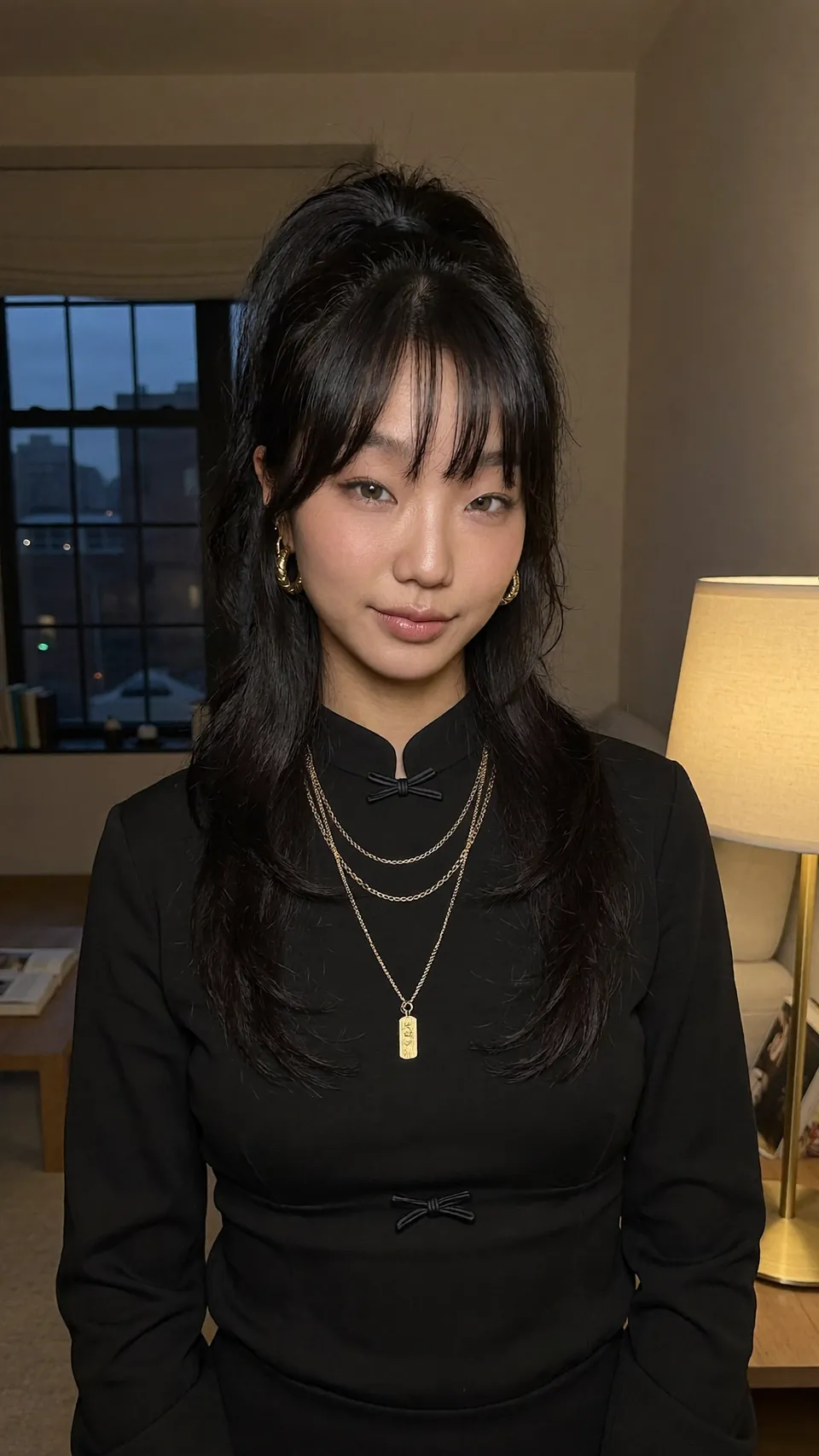
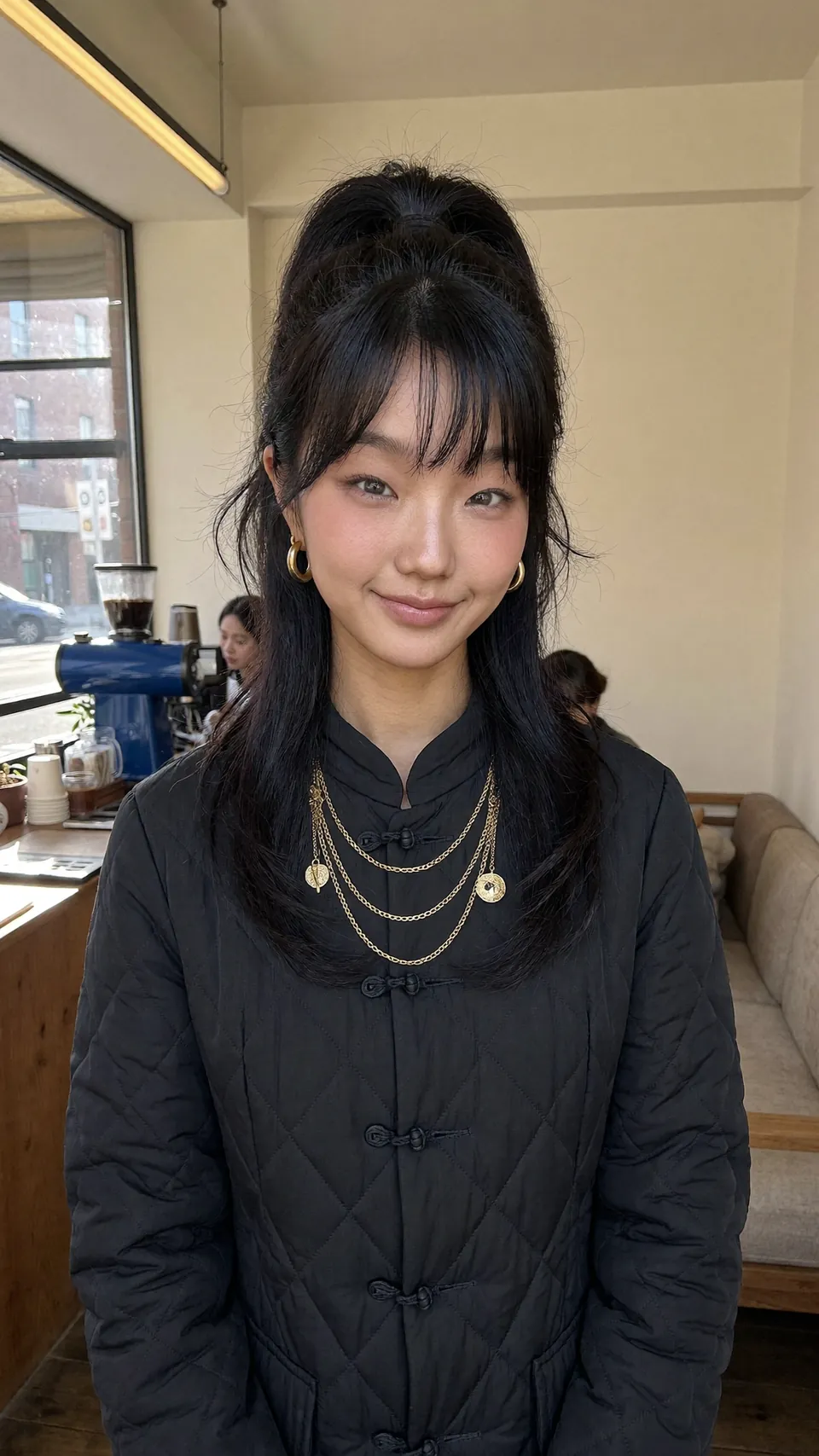
Luna is the second AI presenter, made with the same identity method as Mira: an approved anchor, a face gallery, her own voice (Claire, measured at 2.26 words per second) and her own wardrobe.
Her first look was built once, three stills and three 8-second plates for 152.5 credits, and every Luna Reel reuses it. Her first Reel bought only its mouth: about 32 credits.
PreviewLuna's First Reel, Mouth Synced to Her Voice (Studio Preview, Sound On)













What Happens Next
50 to 60 Seconds, One World
Mira's talk keeps its length and cost; the drawn part grows into a world the camera dollies through, with the pictures inside it as prints and windows. The depth test cost 0 credits.

One World for Drawing and Pictures
Approved October 29: every new picture is a hand-coloured etching graded to our paper. The test cost 0.25 credits.
The First Three Seconds Must Move
Viewers said the openings felt flat. Four openings built from one Reel's own parts wait for my pick: as posted, the world first, a snap, the painting first.

Beyond Decisions
Fun facts, myths and slow news, each fact-checked with a safe line, to find an audience first. Every Reel becomes a test of skip rate, watch time and sends.
What It Runs On
Claude, in Two Seats
- Claude Code (the motion seat, on my Mac)
- Claude Cowork (a Linux sandbox)
- CLAUDE.md and path-scoped rules
- permission deny lists
- a hook that blocks em dashes
- MCP connector to Higgsfield
- git: 464 commits
- a paste-in handover for every fresh session
AI Models
- Higgsfield nano_banana_2 (stills)
- Higgsfield Soul (casting, Luna's looks)
- seedance 2.0 (talk plates)
- sync_so, Sync Lipsync 3 (mouth)
- ElevenLabs Eleven v3 (voice)
- ElevenLabs API: Laura, then Sapphire
- Higgsfield gpt_image_2_5 (pictures)
Models That Measure
- faster-whisper base.en (word timing)
- InsightFace ArcFace (identity)
- OpenCV (mouth and lip tracking)
- CMUdict (visemes)
- MediaPipe (skin finishing)
Drawing and Motion
- Remotion 4
- React 19 and TypeScript
- perfect-freehand
- roughjs
- design tokens
- Superbusy Activity and Inter
- the v2 design system: 31 primitives, 16 components
- Instrument Serif, Geist and Lucide icons
After Effects
- After Effects 2026 (optional since October)
- ExtendScript (ES3, ASCII)
- a CEP bridge (Node inside AE)
- strict offline AE mocks
- golden master plus emitters
Quality and Sound
- Python: 91 tools, 37,287 lines
- gate.py: 45 stages
- 60 self-tests
- regress.py (known good)
- ffmpeg loudnorm
- a synthesized sound kit
- golden stills and a layout probe
- voice_check (plain words)
One Command, One Folder
- reel2.py build: render and master
- reel2.py post
- -14 LUFS, -1.5 dBTP masters
- Apple super-resolution (free)
- four apps, posted by hand
01